Local
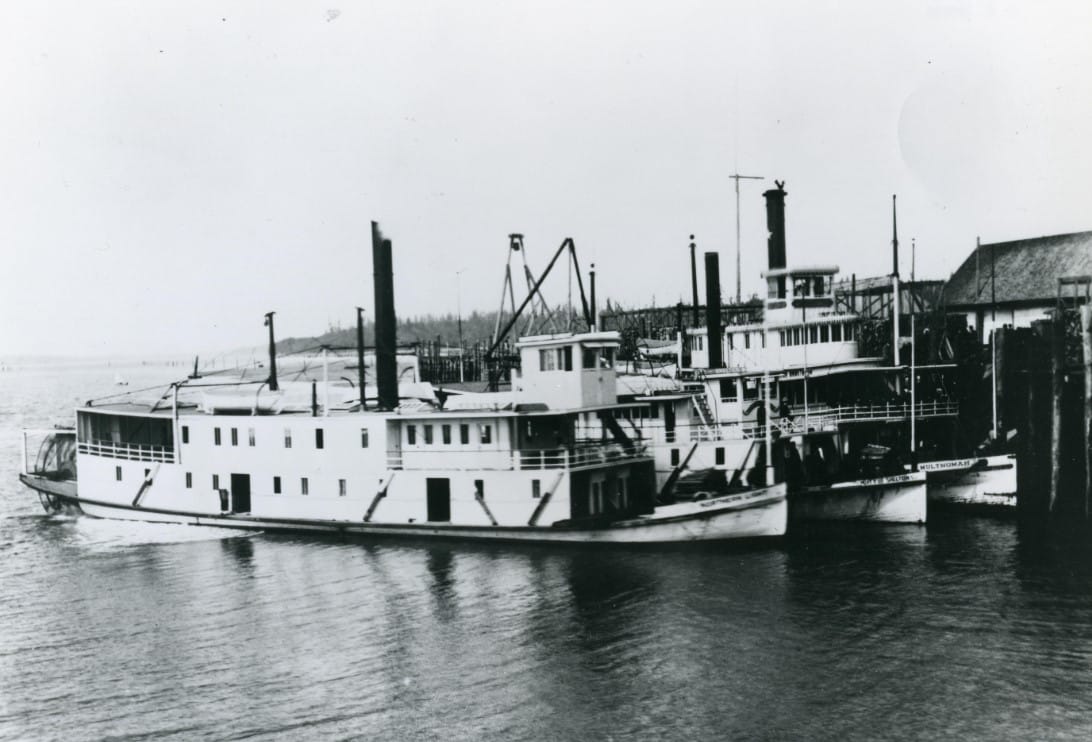
This article is part of The Highline Journal’s America at 250: Northwest Stories series exploring local history as the nation approaches its 250th anniversary.
As the United States approaches its 250th birthday, it is a good time to look back at the events that shaped both the nation and the communities we live in today.
The Des Moines Historical Society (DMHS) is offering two opportunities this spring that bring that story a little closer to home.
One program explores one of the most consequential elections in American history, the election of Abraham Lincoln in 1860.
The other looks at the small steamships that once connected towns across Puget Sound called the Mosquito Fleet, that served as the region’s everyday transportation system.
The program information below is drawn from material prepared by Richard T. Kennedy, President of the Des Moines Historical Society.
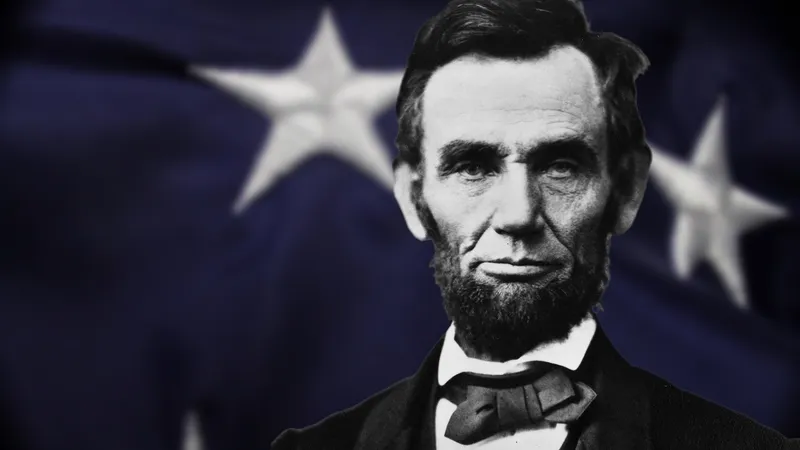
Abraham Lincoln and the Election of 1860
Wednesday, March 18, 2026 | 7:00 p.m.
Des Moines Odd Fellows Hall
730 South 225th Street, Des Moines
Dr. Michael J. Devine, Director of the Harry S. Truman Library from 2001 to 2014, is the featured speaker.
From 2000 to 2024, American political life has been marked by polarization, legal battles, and questions about election legitimacy, especially surrounding the elections of 2000 and 2020. Yet those elections do not compare with the upheaval surrounding the election of 1860.
That election was a four-way race shaped by the issue of slavery and deep sectional divisions between North and South. Abraham Lincoln won the presidency without support from the slaveholding South. His victory helped lead to the secession of seven Southern states and the beginning of the Civil War.
This moment in American history represented more than a heated political contest. It became a constitutional crisis that tested whether the Union itself would survive.
Dr. Devine’s presentation will explore the political tensions surrounding the election and why that moment remains one of the most consequential in American history.
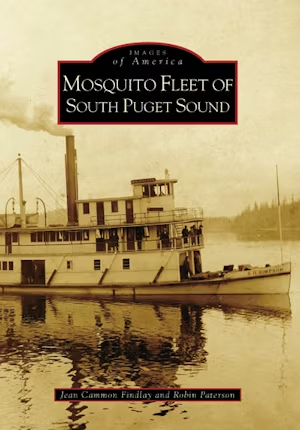
The Mosquito Fleet
Wednesday, May 18, 2026 | 7:00 p.m.
Des Moines Odd Fellows Hall
730 South 225th Street, Des Moines
(Annual Meeting and Elections)
Historian Ed Brown of the Virginia V Foundation will present a talk on the Mosquito Fleet, the small steamships that once served as the primary transportation network around Puget Sound.
More than a century ago, before highways and bridges connected communities around the Sound, travel by water was often the easiest way to get from town to town.
The Mosquito Fleet linked waterfront communities throughout the region. Steamships such as the Virginia V carried passengers, farm produce, freight, and sometimes livestock between ports and small landings along the Sound.
For many residents of the early Northwest, these boats were part of everyday life. They delivered mail, transported workers, and carried families and goods between communities separated by miles of water.
Brown’s presentation will explore how the Mosquito Fleet operated and why it became such an important part of life in early Puget Sound communities.
A Northwest Perspective
When Abraham Lincoln was elected in 1860, Washington was still a U.S. territory. As the nation expanded and the Northwest began to grow in the decades that followed, steamships known as the Mosquito Fleet became the region’s transportation network.
Long before modern highways, ferries, or bridges connected communities around Puget Sound, these small vessels carried people, supplies, and news between towns along the water.
Programs like these offer a chance to step back and understand how national history and local life intersect.
As the nation approaches its 250th anniversary, the history of the Northwest remains part of the larger American story, with many more local chapters still waiting to be told.
We invite readers to be part of this series!
America at 250: Northwest Stories
Have you visited a Pacific Northwest site that deepened your understanding of our nation’s past? Do you have a personal story connected to a local landmark? Do you have recommendations?
As we approach America’s 250th birthday, we hope to tell the story of our country through the voices of our community — one place at a time.
Send your story to idea to us at info@TheHighlineJournal.com
Members Discussion
Highline Journal Comment Guidelines
We believe thoughtful conversation helps communities flourish. We welcome respectful, on-topic comments that engage ideas, not individuals. Personal attacks, harassment, hateful comments, directed profanity, false claims, spam, or sharing private information aren't allowed. Comments aren't edited and may be removed if they violate these guidelines.