Education
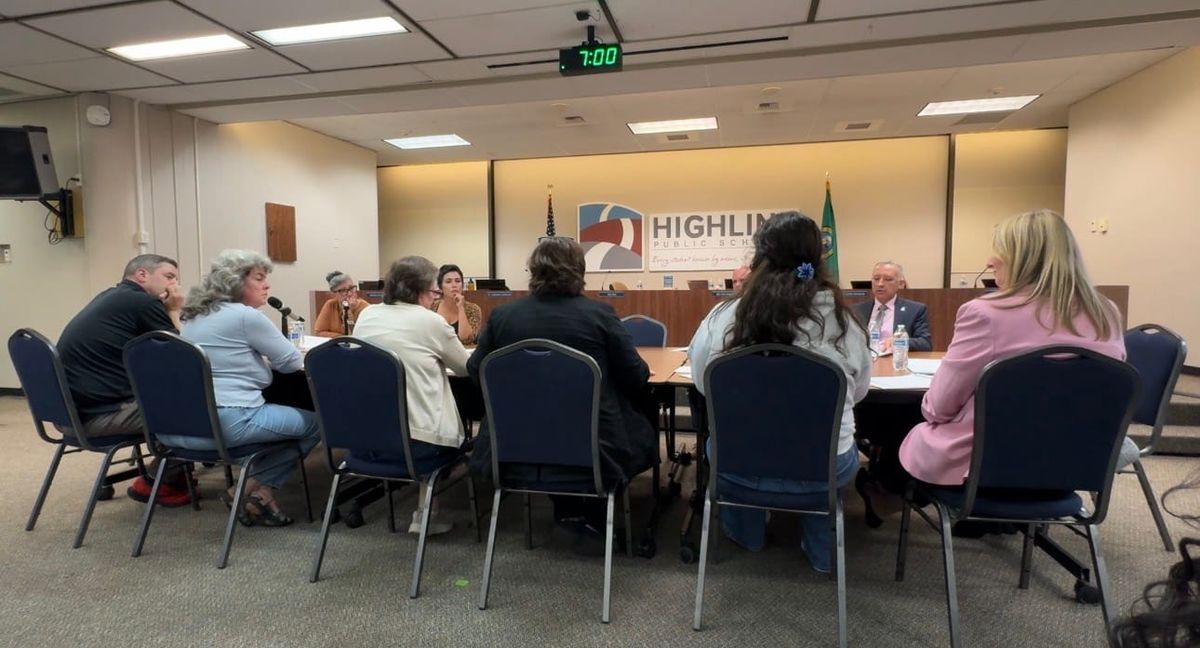
Highline Public Schools is preparing to ask voters to approve two major funding measures in November 2026:
- $595.4 million construction bond focused on school facilities, and (intro item 10.4)
- $48 million Education Technology and Capital Improvements Levy (intro item 10.5)
The Highline School Board is expected to review both proposals as introduction items during its Thursday, June 18 meeting (AGENDA). Regular meeting was pushed back one day due to commencement schedule. If approved by the board later this summer, the measures would be placed before voters in the November 2026 election.
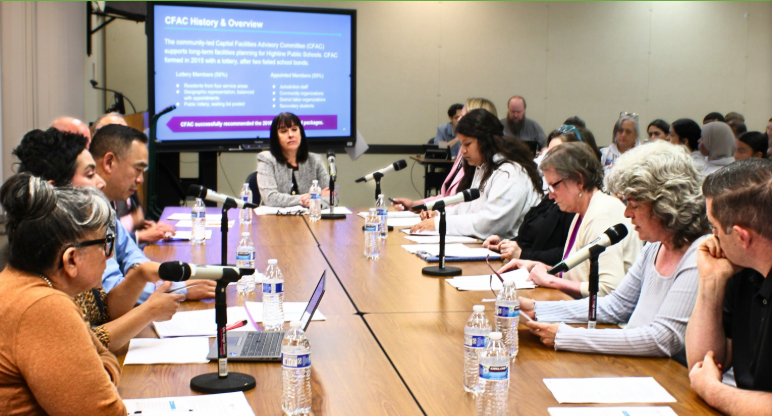
The proposed bond projects and funding recommendations come from the district's Capital Facilities Advisory Committee (CFAC), a community advisory group made up of appointed members and residents selected through a lottery process. The committee spent nearly two years reviewing facility needs, costs, enrollment projections and community feedback before making its recommendation.
What's Included in the Bond?
The proposed $595.4 million bond would fund the replacement, modernization or planning of several district facilities, including:
- Sylvester Middle School replacement — $180.3 million
- Cascade Middle School replacement at the Salmon Creek site — $172.1 million
- Chinook Middle School rebuild and modernization — $161.3 million
- CHOICE Academy rebuild and modernization at Southern Heights — $30 million
- Hilltop Elementary design and critical maintenance — $5 million
- Valley View Early Learning Center design and critical maintenance — $3.3 million
- Big Picture School critical needs — $3.4 million
- Districtwide critical maintenance projects — $40 million
CFAC members said the recommendation prioritizes aging schools, student safety, building conditions, equity and long-term facility needs.
What's Included in the Levy?
In addition to the bond, the district is proposing a four-year Education Technology and Capital Improvements Levy totaling $48 million, or approximately $12 million per year.
According to district materials, the levy would fund student and staff devices, classroom technology, network infrastructure, cybersecurity systems and other technology needs not fully funded by the state.
What Could It Cost Taxpayers?
District projections estimate the combined bond and levy would increase the school tax rate from approximately $4.47 to $4.89 per $1,000 of assessed property value beginning in 2027.
Using district estimates, the owner of a home assessed at $500,000 would pay about $210 more per year, or roughly $17.50 per month.
District Chief Financial Officer Jackie Bryant emphasized during the CFAC process that voters approve the bond and levy amounts, not a specific tax rate. The tax rate shown in district materials is an estimate based on current property values and other assumptions. Actual tax rates may be higher or lower depending on future assessed property values throughout the district.
Community Discussion
While the CFAC recommendation received broad support from committee members, portions of the proposal have generated community discussion.
Cascade Middle School and Salmon Creek
Much of the bond discussion has centered on the proposed relocation of Cascade Middle School to the former Salmon Creek Elementary site. Many residents have raised concerns about late neighborhood notification, the planning process during the previous Evergreen HS bond in 2022, and the potential loss of the New Start Community Shark Garden.
Technology Levy
Separate from the bond discussion, some parents have raised questions about the district's growing investment in educational technology and student devices. They are asking how much tech is too much?
What Happens Next?
The June 18 school board meeting marks the beginning of the board's formal review process.
If directors move forward with the recommendation, voters will ultimately decide whether to approve the bond and levy in the November 2026 election.
Resources
- CFAC Recommendation and Presentation: Highline Schools Article
- June 18 School Board Bond and Levy Introduction Item
Members Discussion
Highline Journal Comment Guidelines
We believe thoughtful conversation helps communities flourish. We welcome respectful, on-topic comments that engage ideas, not individuals. Personal attacks, harassment, hateful comments, directed profanity, false claims, spam, or sharing private information aren't allowed. Comments aren't edited and may be removed if they violate these guidelines.