Community Connections
If you are in the Olympia area, visiting the state capitol or other significant historical buildings, nearby are some fascinating and mysterious places to also see that are ways of exploring places of our American heritage.
The Mysterious Mima Mounds
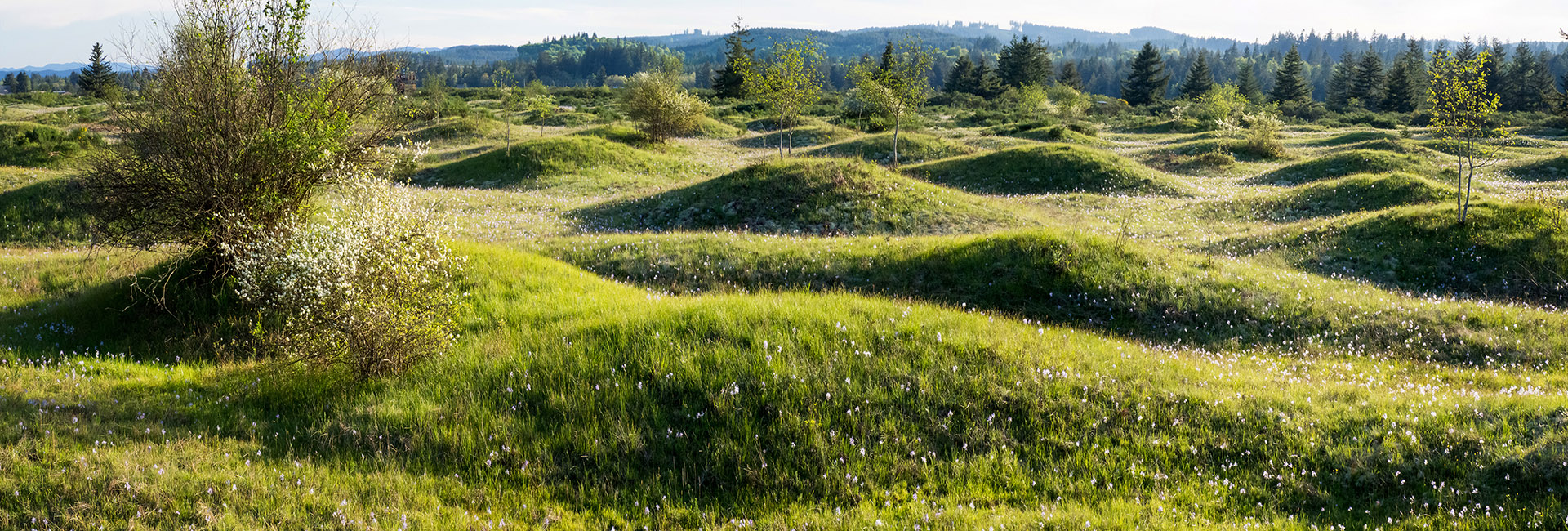
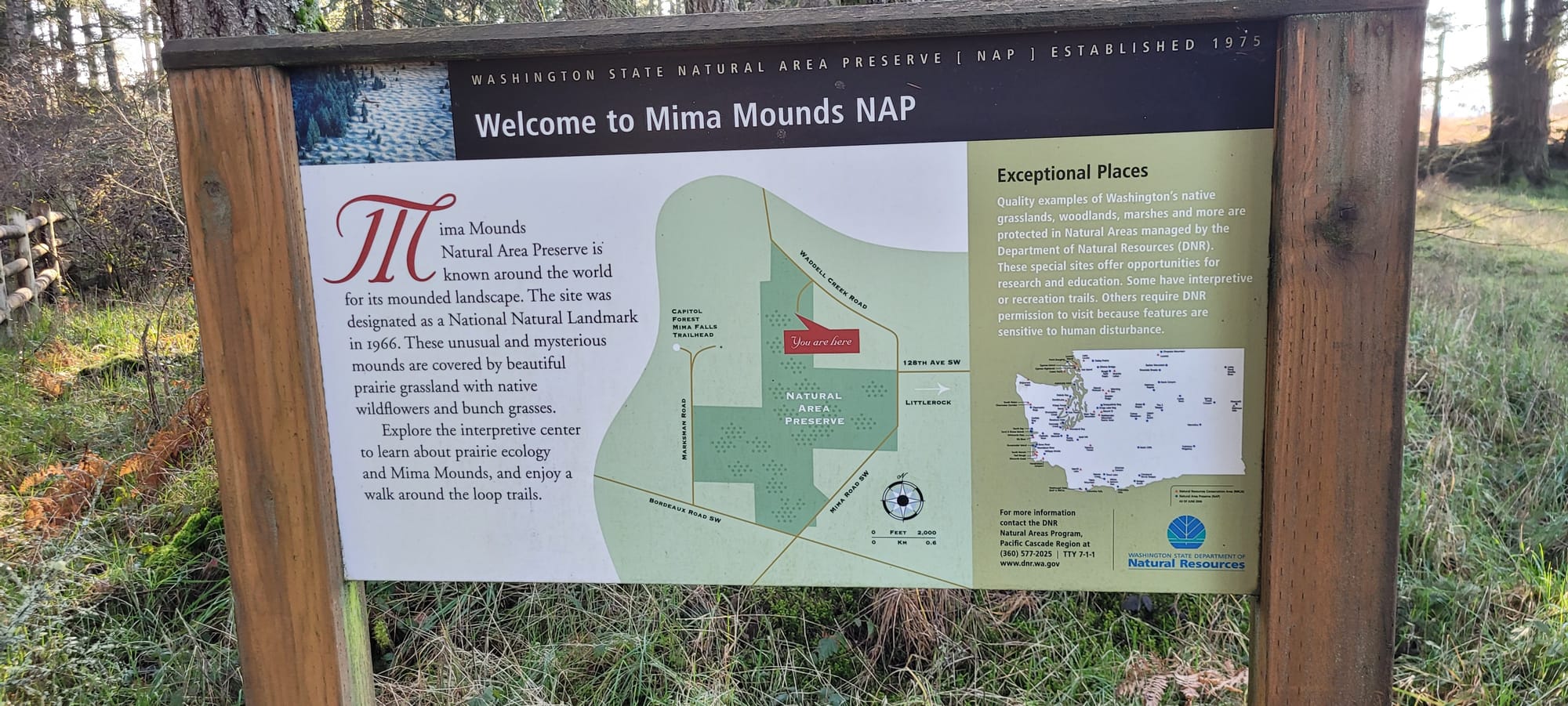
Geologically unique, and just 10 minutes west of I-5 at exit 95, are the Mima Mounds Natural Area Preserve. The mysterious mounds are typically five feet high, and have bases of large rocks with dirt on top forming the mound. These mounds have stumped scientists, so why does the Mima Mounds stand out as a heritage site?
First, this is one of the few natural areas, other than forests, that is very similar to pre-European American settlement. Second, this site illustrates the challenges of science and the process of scientific discovery to explain them.
Early science at the site was simple: dig up a mound and see if there was any buried treasure or burials. More recent science, as explained on the signs, has looked at glacial floods and other natural phenomena as possible causes of the mounds. One hypothesis of some scientists is that they were built by gophers. I suggest visiting the site, reading the signs, and drawing your own conclusions.
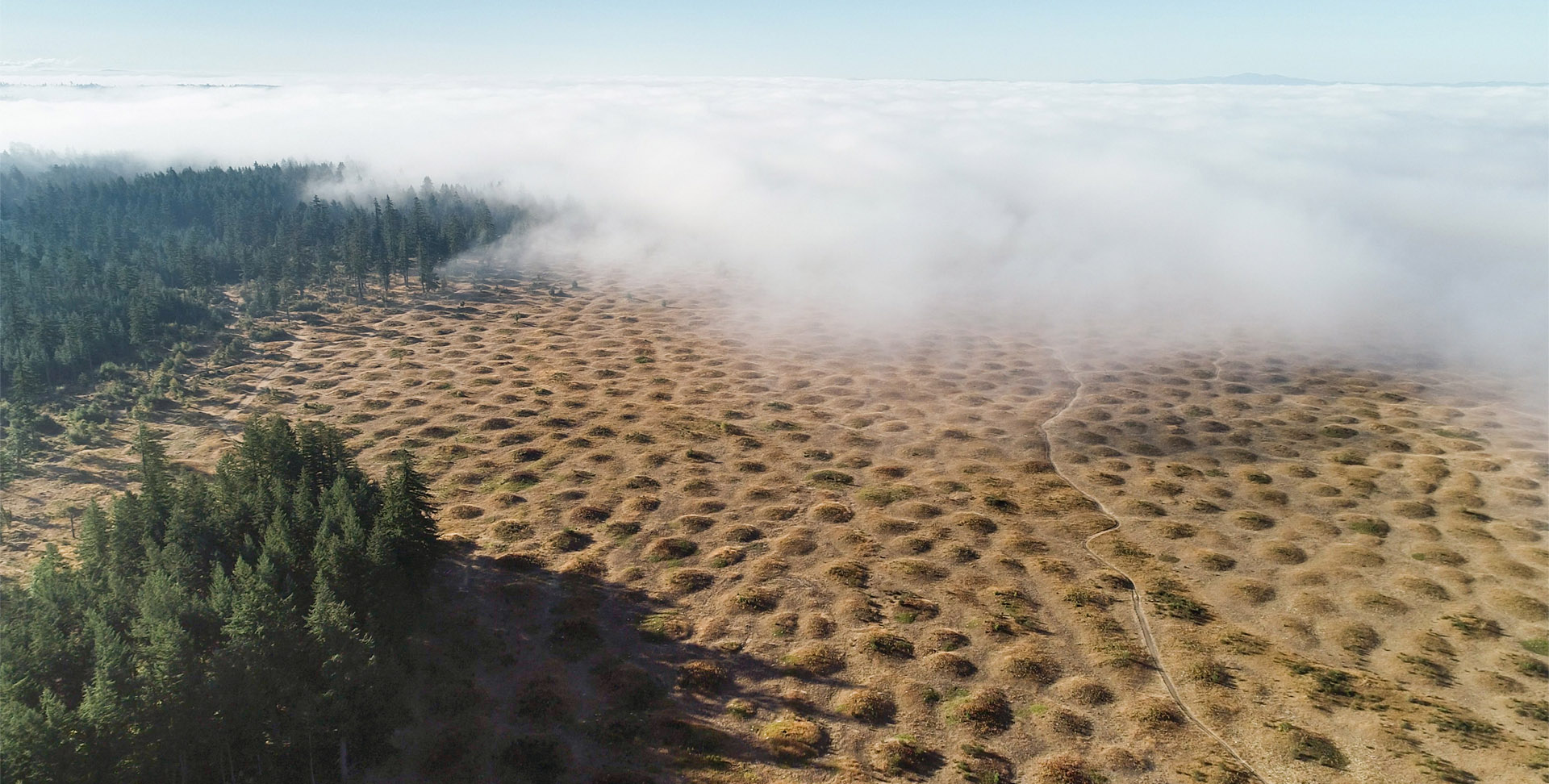
Either way, it is a great place for a walk. The main trail is 2 miles long. There’s also an ADA compliant trail that is a half mile, as described on the Washington Trails page for Mima Mounds. There are some overlooks, with a few steps to climb to get a view at a level higher than the top of the mounds. The overlooks are close to the parking areas, so one can view the mounds in just a quick stop. Prescribed burns by our state Department of Natural Resources keeps out scotch broom and large vegetation, using the same techniques as Native Americans.
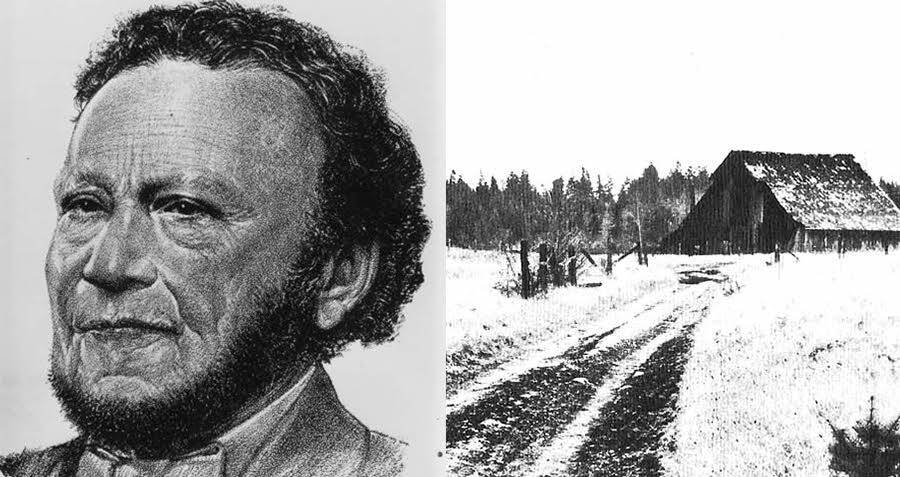
Black Settler, George Washington Bush Historical Marker
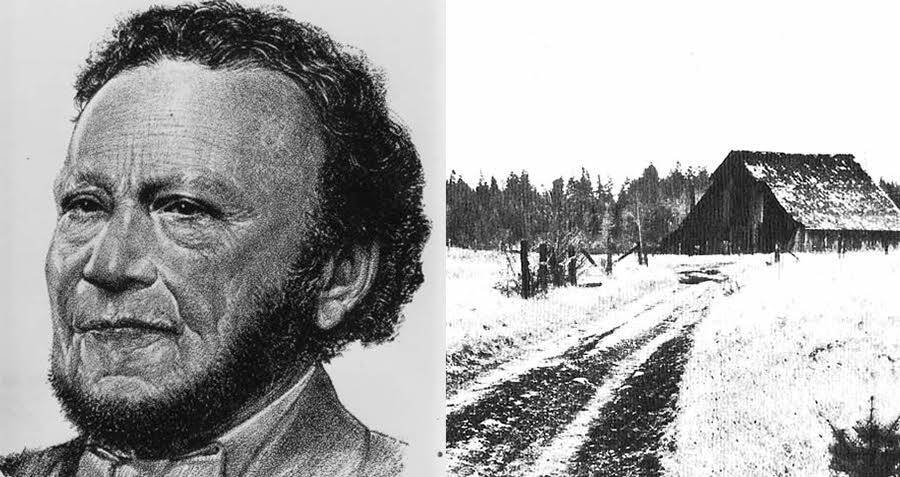
Besides buildings, our state capitol campus has many memorials and markers. One that is easy to overlook is the marker honoring George Washington Bush. He played a very significant role in early settlement in the Puget Sound area.
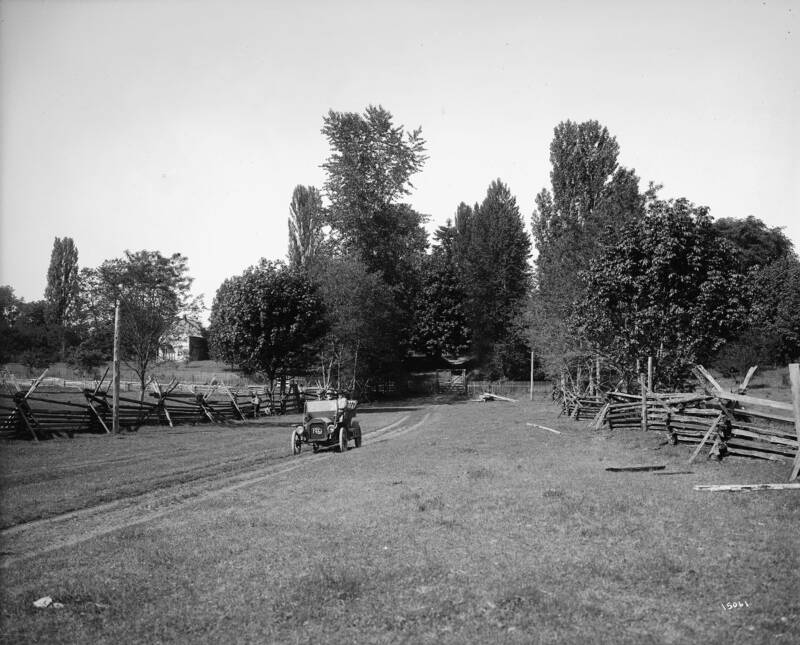
Mr. Bush co-led the Bush-Simmons party. Departing from Missouri in 1844, the party included my great-grandmother’s great-uncle. By this time, many other settlers had used the Oregon Trail to travel to the Oregon territory. But there was something quite different about the Bush Simmons party…Mr. Bush was considered "black" because he had West Indian ancestry, and at that time, blacks were “not welcome” in Oregon Territory.
So, the group of 31 headed north, upon advice from Dr. John McLoughlin and others at the Hudson Bay Company post in Vancouver, to head north. Technically, they were not supposed to do this because official British policy was to 'keep Americans out of the area north of the Columbia river.' But the people at Fort Nisqually (then, located at what is now Steilacoom), also disobeyed orders, and took shingles made from trees logged by members of the group, as payment for food. Mr. Bush and Mr. Simmons were men of many talents.
To learn more, check out this page about Tumwater history.
And that leads us to our next suggested heritage site:
Tumwater Falls on the Deschutes River
Driving south on I-5, the historic Olympia Brewery building is a major landmark and the Brewery Park. When people hear “Tumwater Falls”, this is usually what comes to mind. But there’s actually a lot more to the area’s history. The brewery was started some 50-years after the first businesses that used the power of the falls.
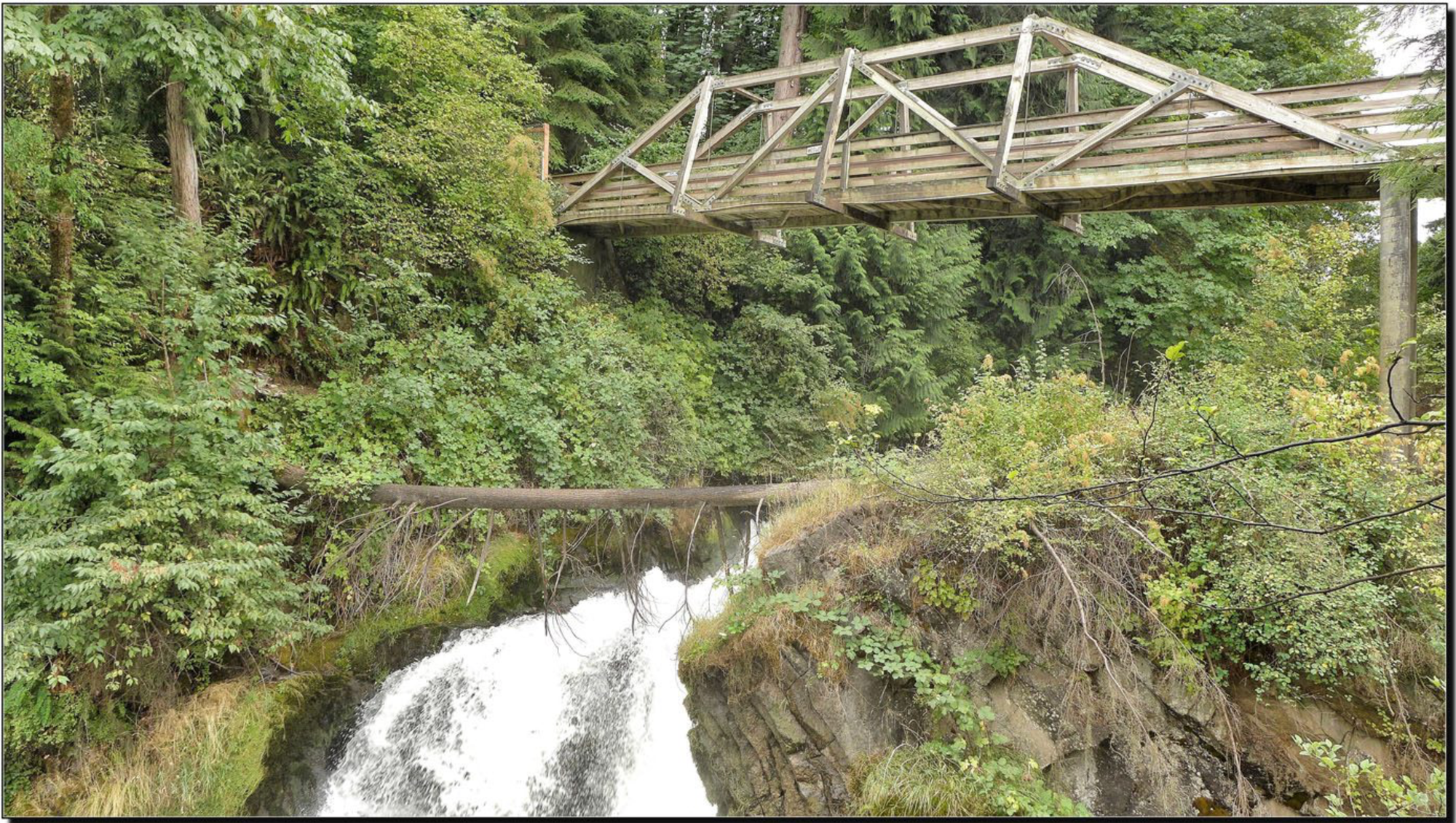
Before electricity and coal-powered mills, water power was the most reliable and cost-effective source of energy. According to the Tumwater history page, there were several lumber mills that also set up operations along the Deschutes, using the many waterfalls along the river. The very first business was a grist mill for turning wheat, grown by Hudson’s Bay Company, into flour. That mill was constructed by many of the members of the Bush - Simmons party.

Though the mills are long gone, there are other sites to see in the Tumwater area. They provide us perspective on early American industry, of the positive role commercial enterprise can play in community life, and of the complicated interrelationships among various groups: the British, the Native American who in many cases welcomed and assisted the European-American settlers, including George Washington Bush.
We invite readers to be part of this series!
Have you visited a Pacific Northwest site that deepened your understanding of our nation’s past? Do you have a personal story connected to a local landmark? Do you have recommendations?
As we approach America’s 250th birthday, we hope to tell the story of our country through the voices of our community — one place at a time.
Visit this article for more information about contributing your story to the Celebrating American Heritage Series: 250 Years Celebrating America: The Northwest Lens
Send your questions, article ideas, or written submissions (300-500 words) to:
Members Discussion
Highline Journal Comment Guidelines
We believe thoughtful conversation helps communities flourish. We welcome respectful, on-topic comments that engage ideas, not individuals. Personal attacks, harassment, hateful comments, directed profanity, false claims, spam, or sharing private information aren't allowed. Comments aren't edited and may be removed if they violate these guidelines.