Community Connections
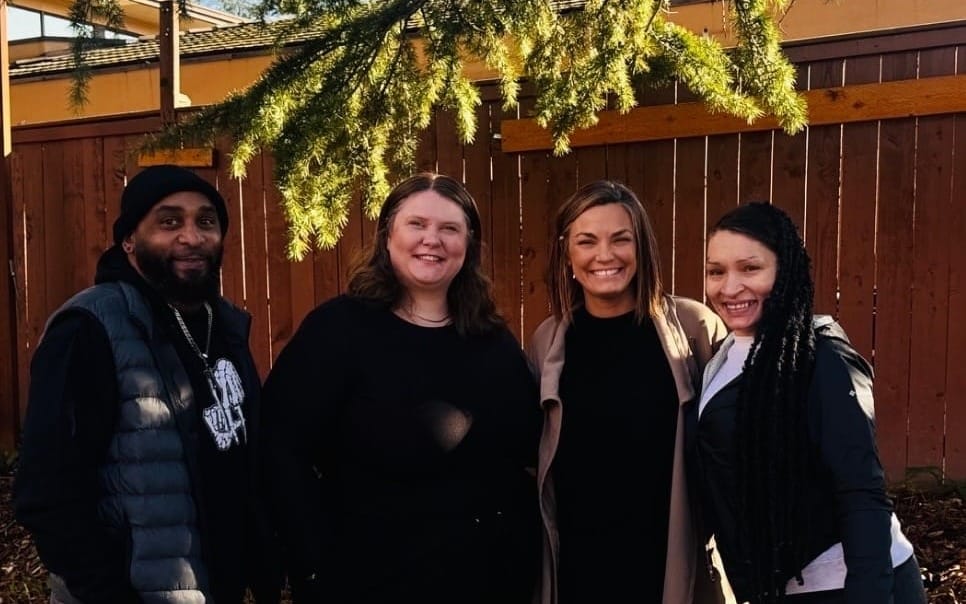
The More We Love combines private support, volunteers, and public partnerships to help women move toward recovery and long-term stability.
Inside a modest facility in King County, a small nonprofit is helping women and children rebuild their lives after crisis, addiction, and abuse.
The organization, The More We Love, operates a shelter that offers more than a safe place to stay. Its focus is helping residents begin the longer journey toward recovery and stability. The shelter has 22 beds and currently serves about 45 women and children.
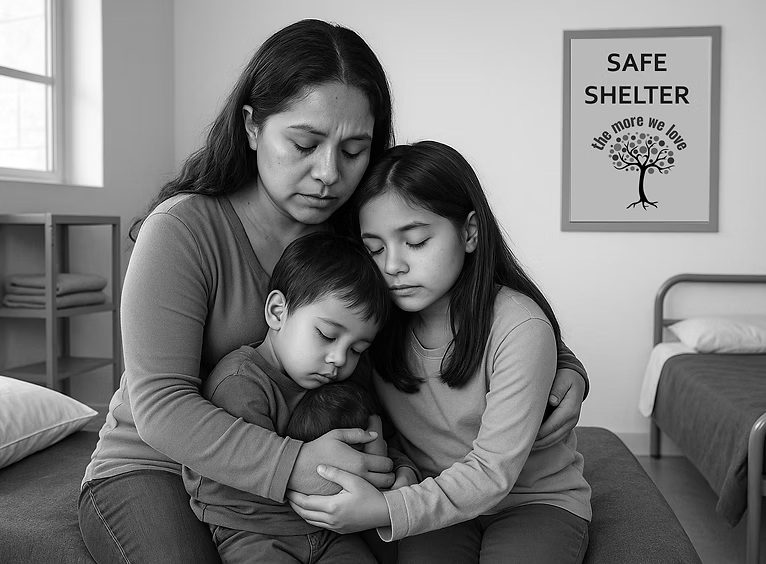
As communities across King County search for effective responses to homelessness, smaller recovery-focused nonprofits are emerging as part of the broader network of support.
For many who arrive, the shelter is the first place in a long time where they feel safe enough to begin thinking about what comes next. The work, staff members often say, comes down to a simple idea: humans helping humans.
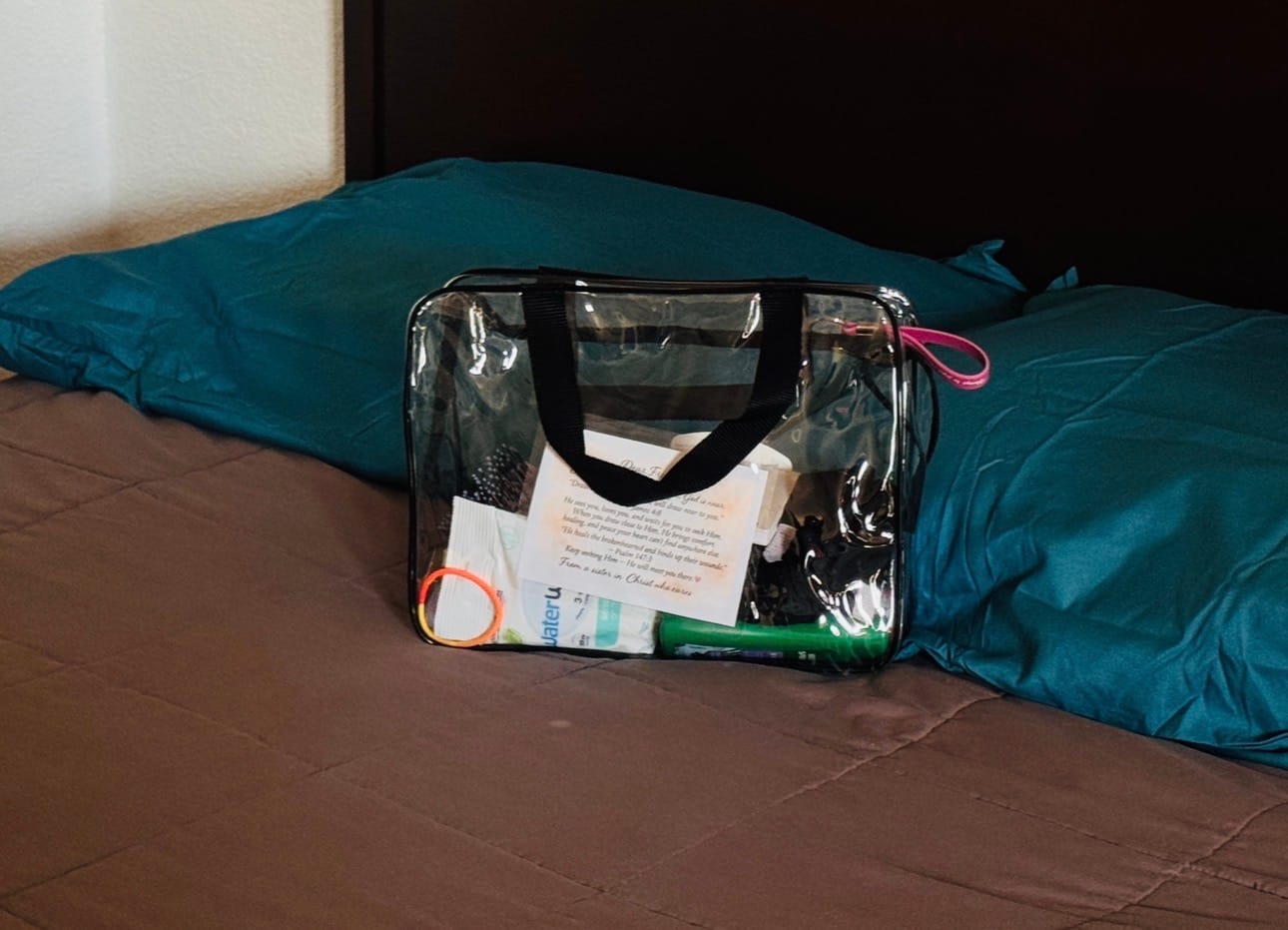
Kristine showed us one of the rooms prepared for the next arrivals. Inside were two large beds, a welcome kit with toiletries and basic supplies, and a welcoming private space designed for either two individual women or a mother with her children. The rooms are safe and secure, and staff members regularly check on the children’s well-being throughout the day.
A Shelter Focused on Recovery
Many women arrive frightened, exhausted, and unsure who they can trust. Some have experienced abuse, trafficking, addiction, or years of instability.
Staff members say progress often happens gradually through relationships that provide stability and encouragement. The shelter is designed as a temporary step on the path toward recovery and housing, not a long-term residence.
Yet staff say many women become so relieved by the stability and support they find there that they ask if they can stay longer. The response is the same: the goal is to help them build the tools and confidence needed to move forward into the next stage of recovery and independence.
Moreland often reminds volunteers and staff of a simple principle that guides the work: “Be someone’s constant.”
The phrase reflects the belief that recovery grows through consistent relationships. Day by day, volunteers and staff try to provide the steady presence many residents have never experienced before.
For some women, that support becomes the turning point that begins their recovery.
From One Person’s Effort to a Growing Organization
The program began as a small effort led by founder Kristine Moreland, whose life experiences shaped her desire to help people in crisis.
After recognizing the urgent need among vulnerable women and children in the region, Moreland stepped away from a successful career and began using her own resources to help stabilize people who had nowhere else to turn.
In the early days, several years ago, the effort was largely a one-woman operation. Moreland personally stepped in to help people in crisis, connecting them with services when few options were available. Over time, others were drawn to the work and joined her, forming the small team that now supports the shelter and its residents — driving them to appointments, accompanying them to court, and helping them navigate the many details required to rebuild stability.
As she worked with individuals struggling with addiction, trauma, and mental health challenges, she noticed a pattern. Housing alone was rarely enough to change the trajectory of someone’s life.
Recovery required time, personal connection, and consistent encouragement from people willing to walk alongside someone through difficult steps.
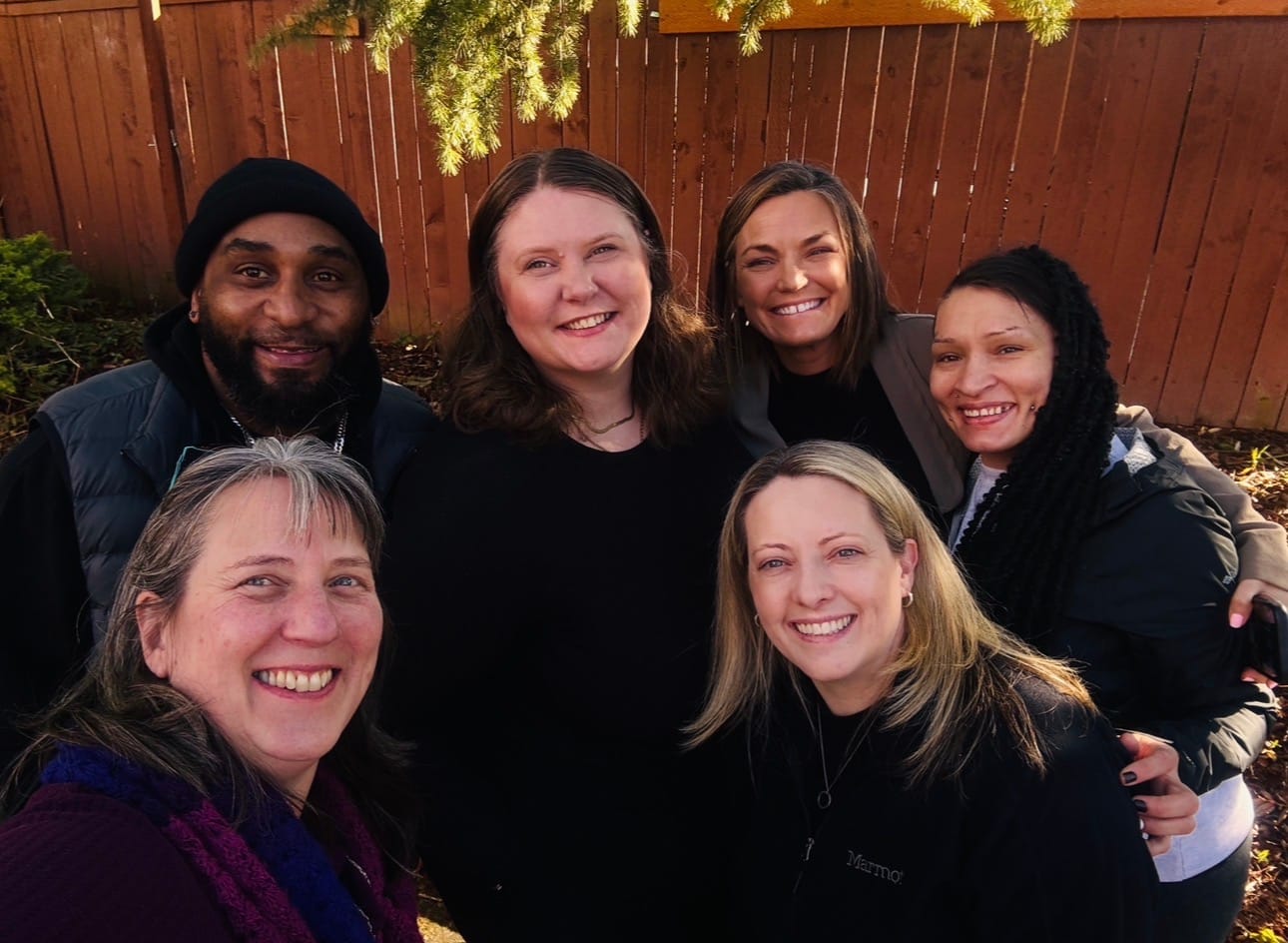
Today the organization includes a small but dedicated team providing shelter, basic needs, and recovery support. Many staff members bring personal reasons for their commitment to the work, and those experiences shape how they approach the women who arrive.
They understand recovery is rarely a single moment of change but a long process requiring resilience, patience, and steady support.
A New Beginning for Shay
For one woman named Shay, arriving at the shelter became a turning point.
After years of instability and trauma, she said what made the difference was not a class or program requirement. It was something far simpler.
When Kristine arrived to help, she greeted Shay with a warm hug.
That moment restored something Shay felt she had lost during years of struggle. It reminded her she was still a person who mattered and that recovery might actually be possible.
Today Shay has come full circle. She now mentors other women entering the program and encourages them to take the same steps toward recovery that helped change her own life.
Combining Private Support and Public Partnerships
The More We Love operates through a combination of private donations, community partnerships, and contracted outreach work with local governments. Supporters say this hybrid model allows the organization to respond quickly and provide individualized support to people living outdoors.
Founder Kristine Moreland has built relationships with local businesses, volunteers, and public agencies through years of outreach focused on helping people move out of crisis and toward recovery. Those relationships have helped attract both private support and public partnerships.
The group previously worked with the City of Burien and has since expanded its work through a contract with King County, supporting outreach efforts across the county, including South King County communities.
The organization describes its approach as “low barrier to entry,” meaning people can access shelter and support quickly. Participants agree to expectations focused on stability and recovery, while staff and volunteers provide mentorship and support, often described as walking “hand in hand” with individuals as they move toward long-term stability and housing.
As the number of people living in crisis outdoors continues to rise across the region, supporters say the combination of private backing and public partnerships allows the organization to operate with flexibility while still connecting people to broader services.
Supporters say smaller nonprofits can sometimes operate more flexibly and at lower cost because they rely heavily on volunteers, private donations, and community partnerships. Some see these community-based efforts as a complementary approach to larger taxpayer-funded housing programs.
Community Support
The nonprofit operates on a tight budget and depends heavily on community support. Donations of plus everyday supplies such as diapers, baby wipes, bedding, and towels are often needed. Volunteers are also welcome to help with childcare, mentorship, and spending time with residents.
Community members interested in learning more will have an opportunity soon.
🗓 Community Conversation: Coming Together for Our Friends on the Streets
📅 March 31
🕐 6:30–7:30 p.m.
📍 Burien Library Council Room
The event will highlight the organization’s work and ways neighbors can become involved.
For Moreland and the team at The More We Love, the goal remains clear: helping women and children move from crisis toward recovery — one relationship at a time.
Members Discussion
Highline Journal Comment Guidelines
We believe thoughtful conversation helps communities flourish. We welcome respectful, on-topic comments that engage ideas, not individuals. Personal attacks, harassment, hateful comments, directed profanity, false claims, spam, or sharing private information aren't allowed. Comments aren't edited and may be removed if they violate these guidelines.