Community Connections
[Next Community Conversation Series will focus on the Role of Parents in their Children’s Educational and Medical Well-Being. Details on the date and time are expected to be announced soon. Make sure to subscribe to receive notifications.]
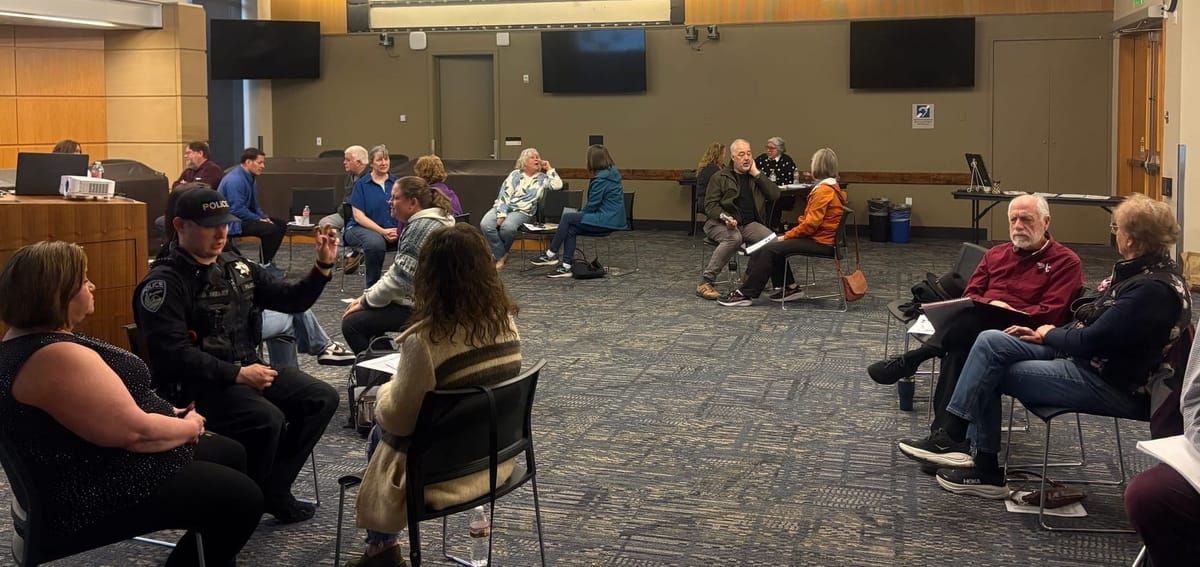
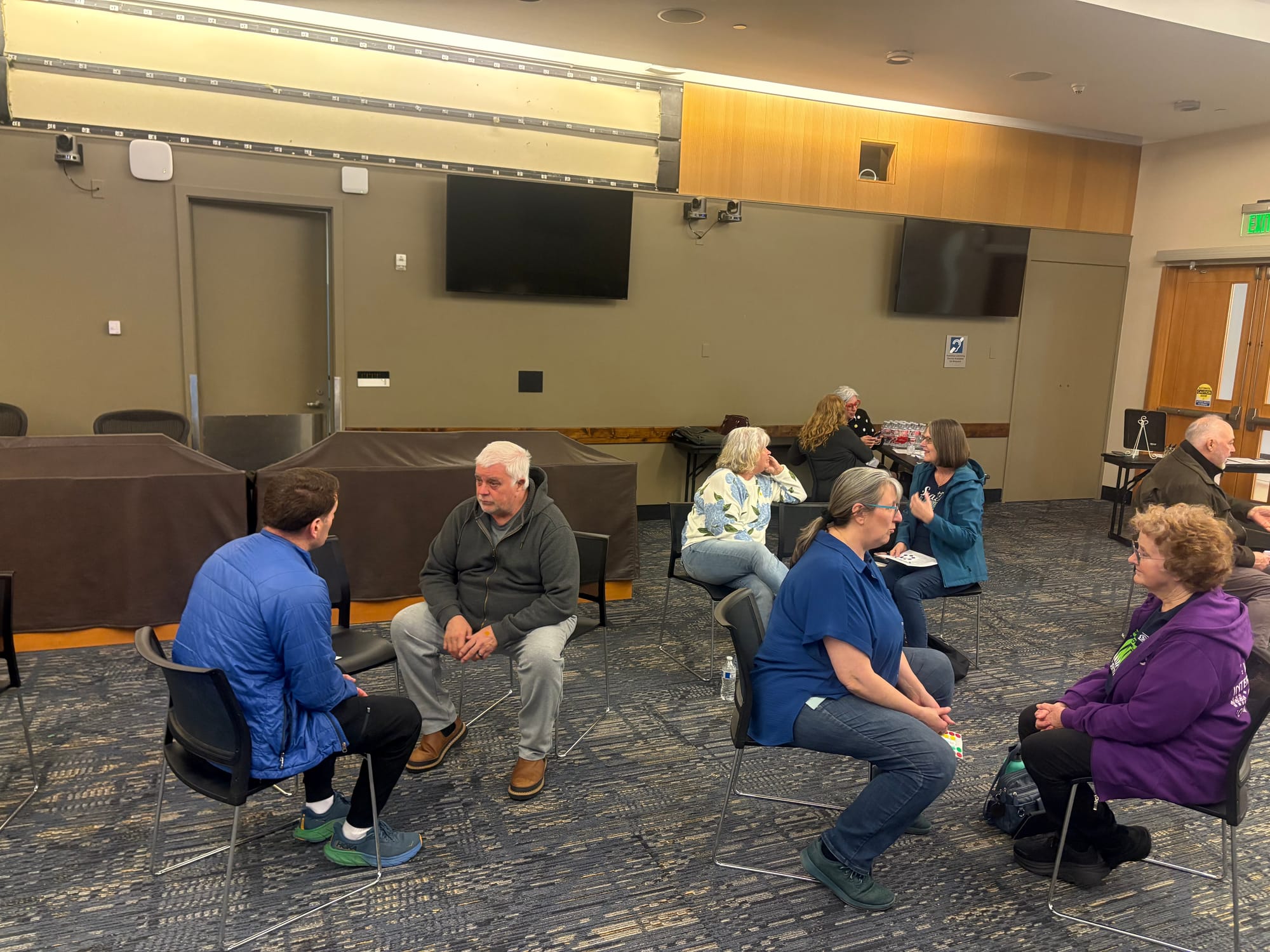
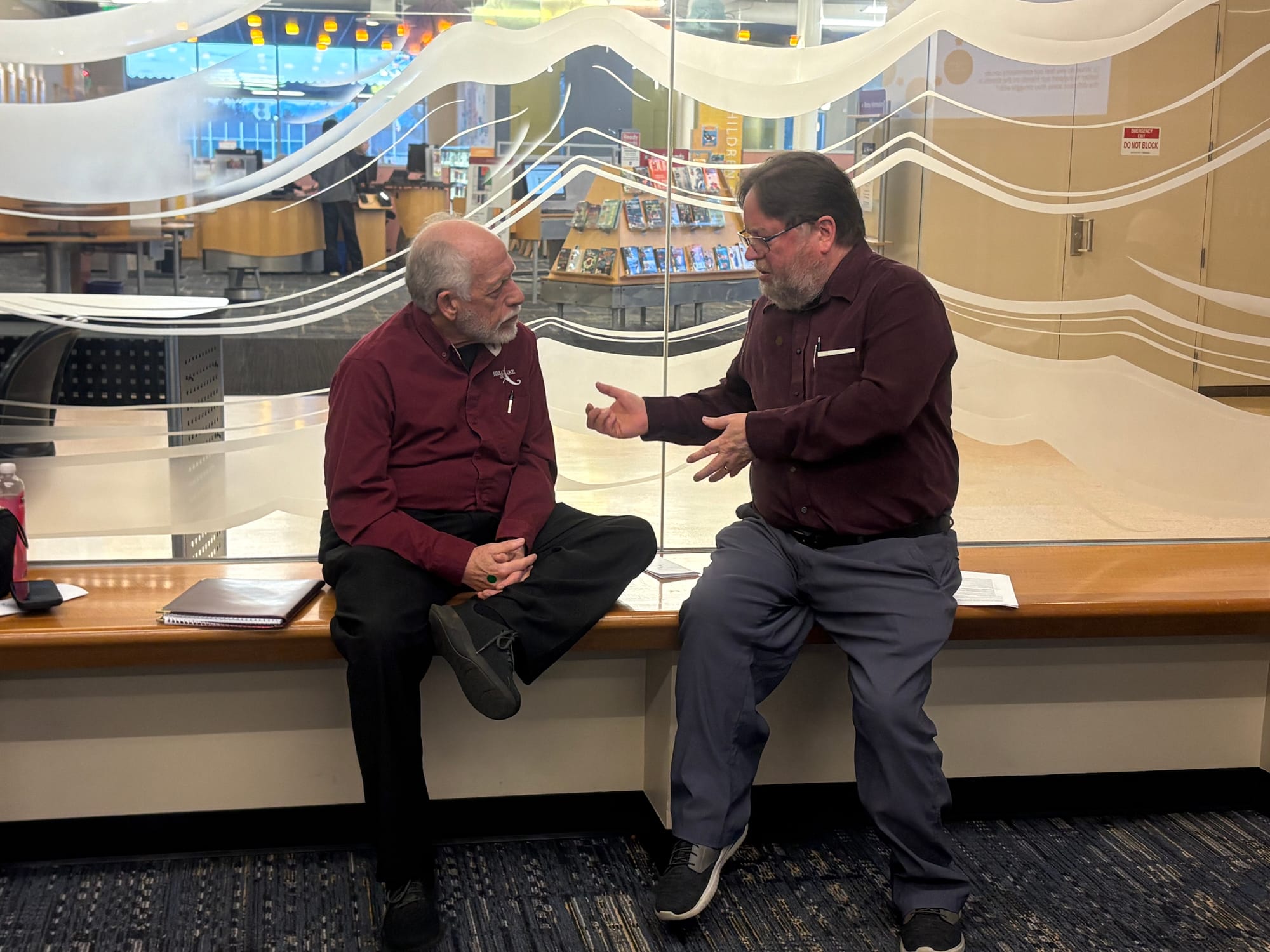
The Highline Journal launched its first Community Conversation Series on Tuesday, March 31, at the Burien Library, drawing about two dozen attendees for an evening centered on dialogue, understanding, and shared community concerns.
Neighbors, friends, local leaders, and law enforcement gathered to discuss personal experiences and perspectives on mental health, substance use, and crisis response—issues that continue to shape daily life across the region.
The event was led by Melissa Petrini, who manages the Highline Good Neighbors group. She introduced a discussion model designed to be replicated in other communities, with the goal of helping people connect across differences and engage in meaningful conversations.
Among those in attendance were Kristen Moreland of The More We Love, an organization that operates a crisis shelter for women and children, along with volunteers Stephanie Shields and Carolyn Sand. Also participating were Detective Josh Seeley and Behavioral Health Responder Daisy Espinoza, as well as Burien City Councilmember Alex Andrade.
To set the tone, participants were introduced to “Rules of Engagement” intended to foster respect, dignity, and openness. They also received a brief training on the “Conversation Cycle,” a visual framework aimed at helping people navigate difficult discussions—particularly when engaging with opposing viewpoints.
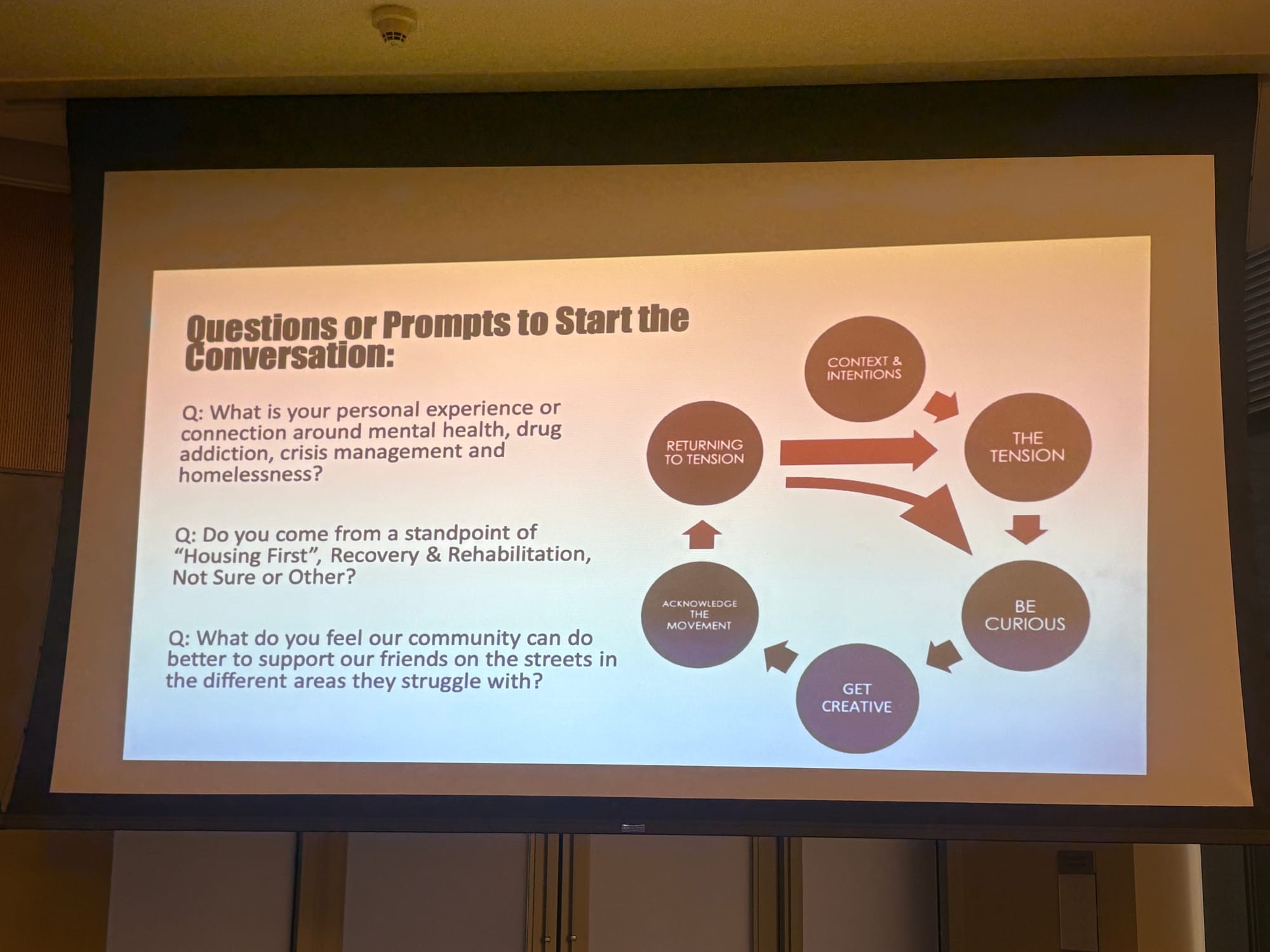
Attendees were then invited to identify their general perspective on addressing issues like homelessness and addiction by selecting one of three viewpoints: “Housing First,” “Recovery & Rehabilitation,” or “Undecided/Other.” Each person received a colored sticker representing their stance and was paired with someone holding a different perspective.
The structured conversations took place in timed, one-on-one sessions, giving participants the opportunity to share experiences and listen to others. After each round, participants rotated to a new partner, encouraging a broader exchange of ideas.
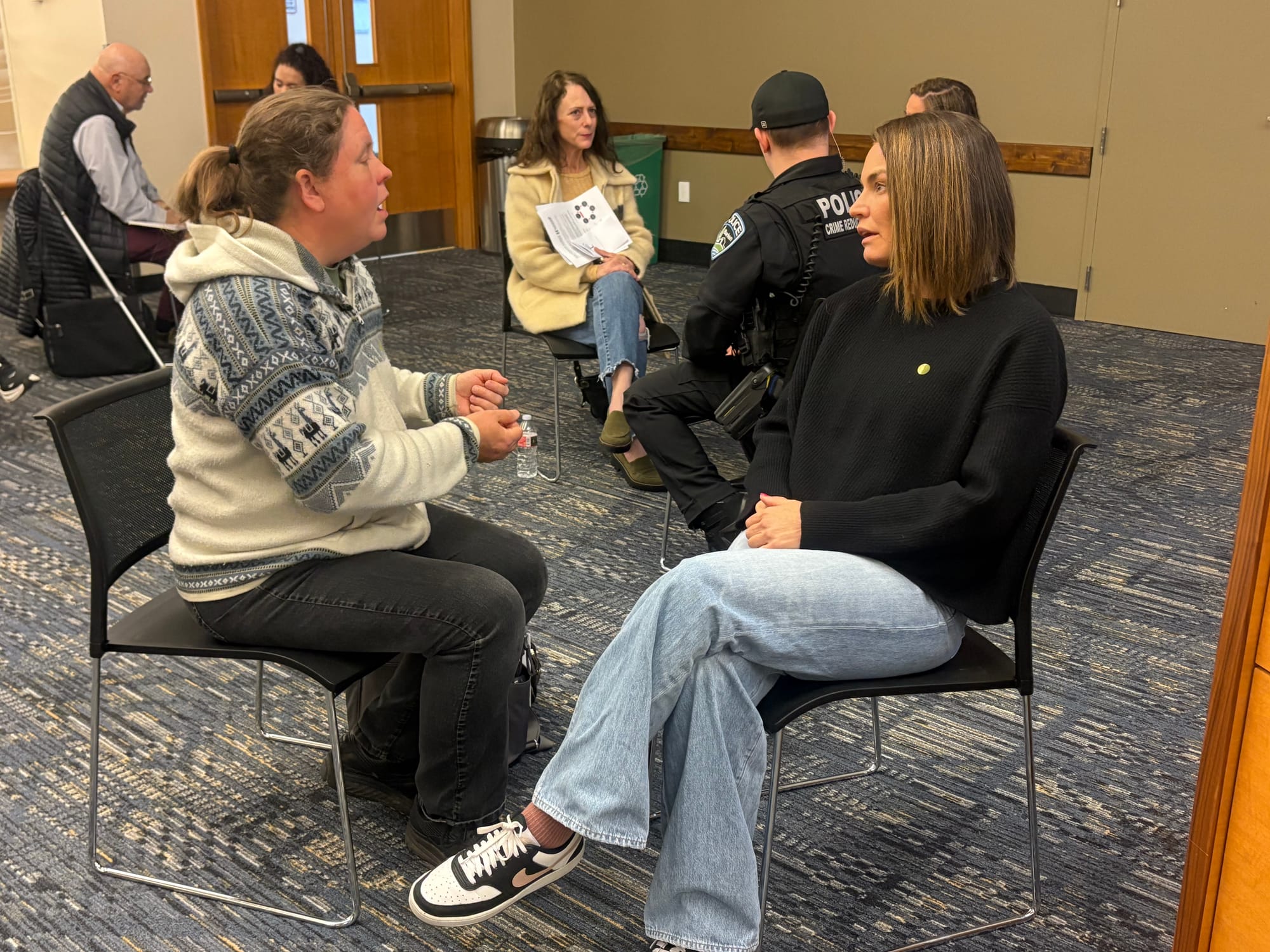
Following the discussions, the group reconvened to reflect on what they had learned. Many described the experience as both positive and eye-opening, noting the value of having space for civil dialogue on topics that often divide communities.
One attendee, Andy C., observed, “We had different colors dots, but we found that we had significant points of agreement.”
Another attendee, Kathy N., highlighted the usefulness of the framework itself, saying, “The instruction about the Conversation Cycle was really helpful.”
Some participants expressed a desire for broader representation in future sessions, including more diverse viewpoints and greater participation from civic and political leaders. A few noted that local leadership can sometimes feel inaccessible, and events like this could help bridge that gap.
Others emphasized the importance of creating a safe and welcoming space for open dialogue. Camilla H. shared her appreciation for the environment, expressing gratitude for an opportunity to engage in conversations that can often feel difficult or avoided.
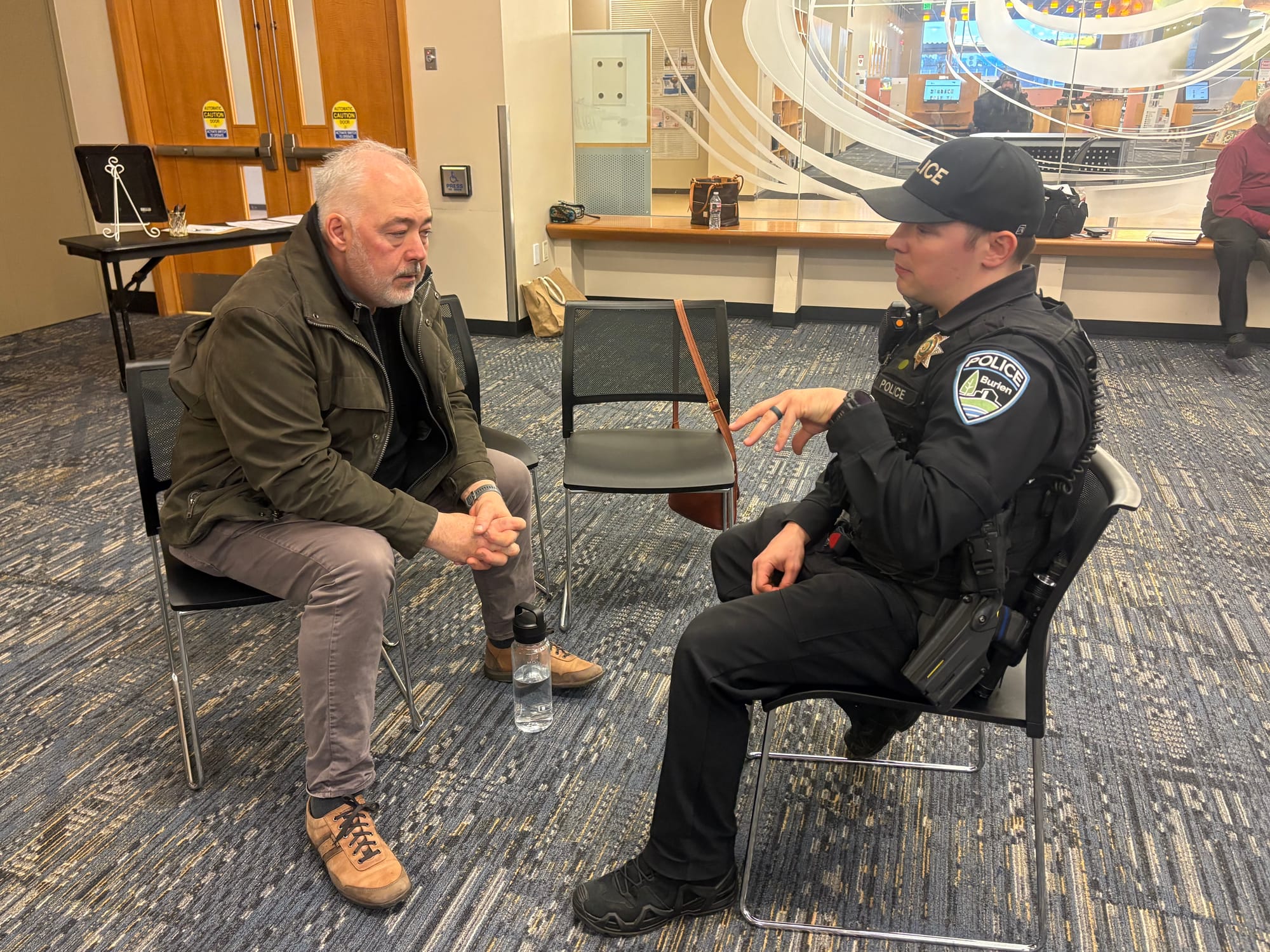
Looking ahead, attendees suggested a range of future topics, including policing and public safety, gender-affirming care, political division, homelessness advocacy, harm reduction strategies, government accountability, and balancing housing development with the preservation of green spaces.
Organizers say they hope to continue building momentum and are inviting community input on future discussions. Their goal is to bring together people from across the spectrum of perspectives to foster deeper understanding and rebuild connections in an increasingly divided civic landscape.
The next Community Conversation Series will focus on the role of parents in their children’s educational and medical well-being. Details on the date and time are expected to be announced soon.
Members Discussion
Highline Journal Comment Guidelines
We believe thoughtful conversation helps communities flourish. We welcome respectful, on-topic comments that engage ideas, not individuals. Personal attacks, harassment, hateful comments, directed profanity, false claims, spam, or sharing private information aren't allowed. Comments aren't edited and may be removed if they violate these guidelines.