Good Neighboring
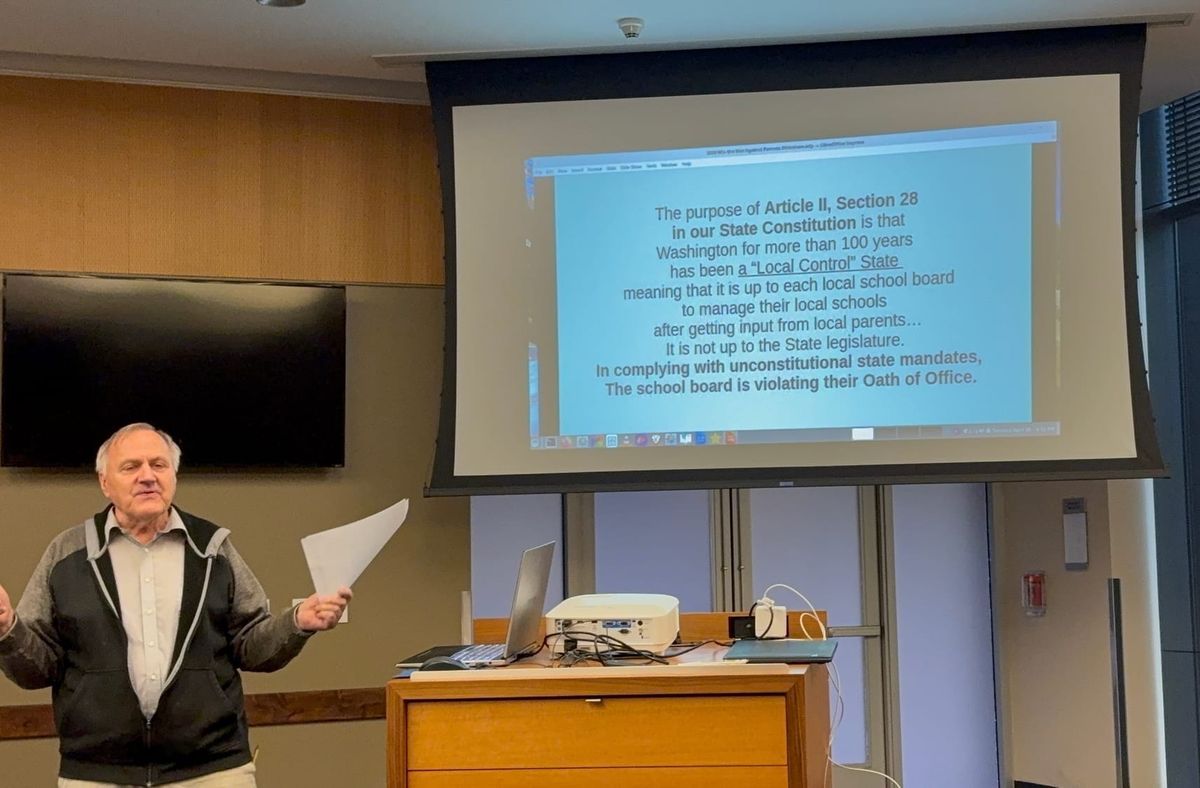
Parents, community members, and former students gathered at the Burien Library on Tuesday, April 28th for the Community Conversation Series, a forum designed to bring differing perspectives together on complex issues.
This month’s topic—Parental Rights and Responsibilities vs. “Student Rights”—reflected a rapidly intensifying debate in Washington State. Across the state, families are increasingly advocating for access to their children’s educational, medical, and well-being records, along with greater transparency from schools when students seek counseling.
Leadership Absence Draws Attention
The discussion unfolded without participation from Highline School District leadership. Board Directors—Angelica Alvarez, Joe Van, Damarys Espinoza, Blaine Holien, and Stephanie Tidholm—along with Superintendent Dr. Ivan Duran and Highline Education Association President Jeb Binns, who were invited but did not attend.
Superintendent Duran, responding on behalf of the group, stated that “Highline's policies follow state law,” and noted that all five board members were “unavailable.”
Attendees highlighted their displeasure in their absence, noting that nearly two years have passed since a public town hall-style meeting has been held by any board members to engage with and answer parent and community questions.
Where the Conflict Resides
In lieu of absent, elected leaders engaging with their constituents and parents, Katie Kresly hosted the student rights side of the discussion, highlighting the sharpening friction between institutional interpretations of "student rights" and the traditional role of parental rights within the Washington state school system.
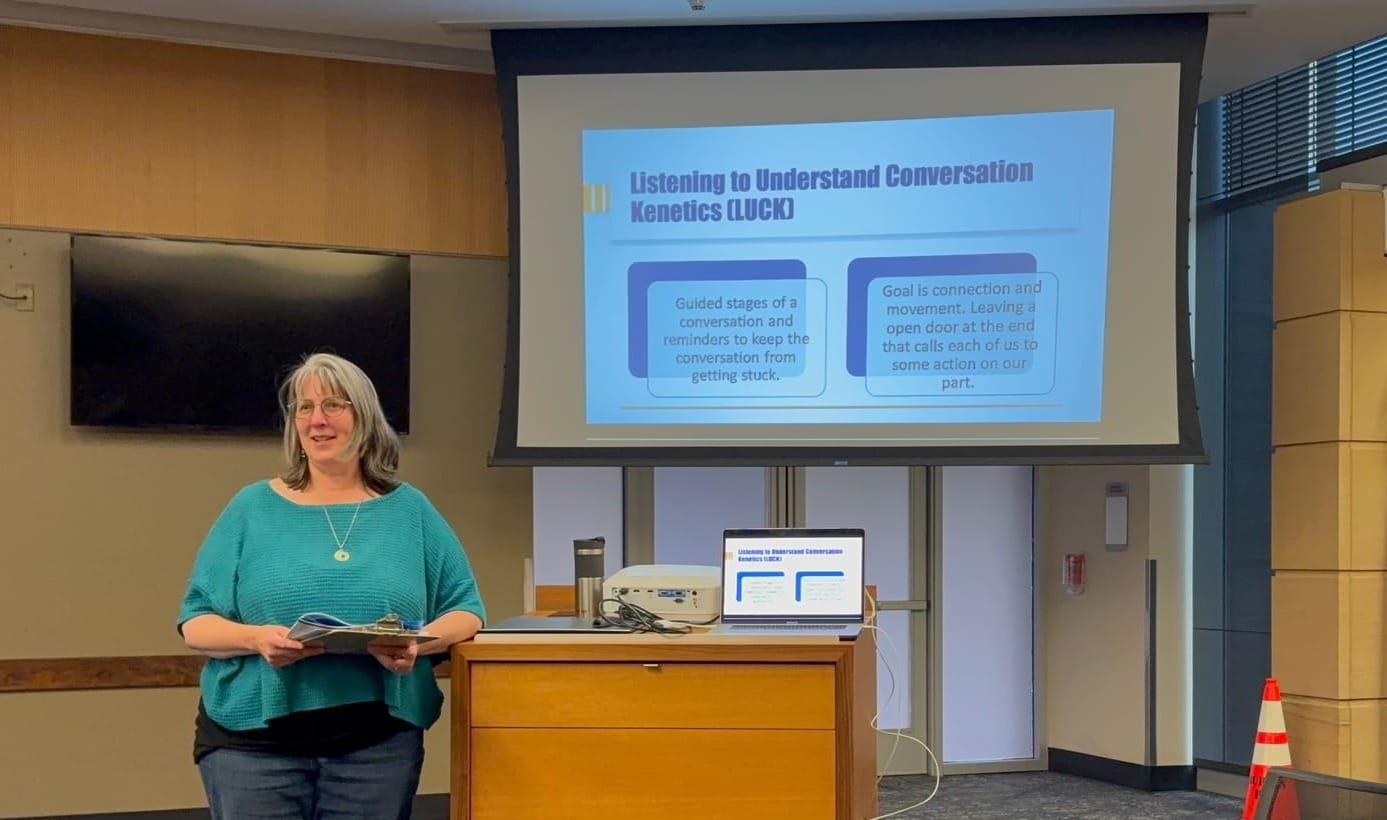
At the center of the conversation was a growing divide over who holds decision-making authority when student privacy and parental involvement intersect.
Core concerns raised:
- School policies prioritizing privacy and safety protocols over parental access
- Parents being treated as secondary stakeholders in decision-making
- Expansion of state laws emphasizing student privacy, particularly around gender identity
Participants also pointed to specific tensions, including counseling confidentiality laws for students over 13, policies that prioritize student identity preferences, and the broad use of “safety” to justify limiting parental involvement. Financial responsibility for decisions made without parental knowledge, and liability was another concern raised.
Supporters of current policies argue they are necessary to protect vulnerable students, while critics contend they erode parental authority and shift responsibility to schools without corresponding accountability.
A Constitutional Perspective
For the perspective and discussion around Parental Rights, David Spring, founder of the Washington Parents Network and the Washington Family Rights Coalition, provided legal and historical context. He also shared a personal account from his daughter at Mountain High School, where girls raised concerns about access to gender-specific private spaces, but were denied their rights and safety.
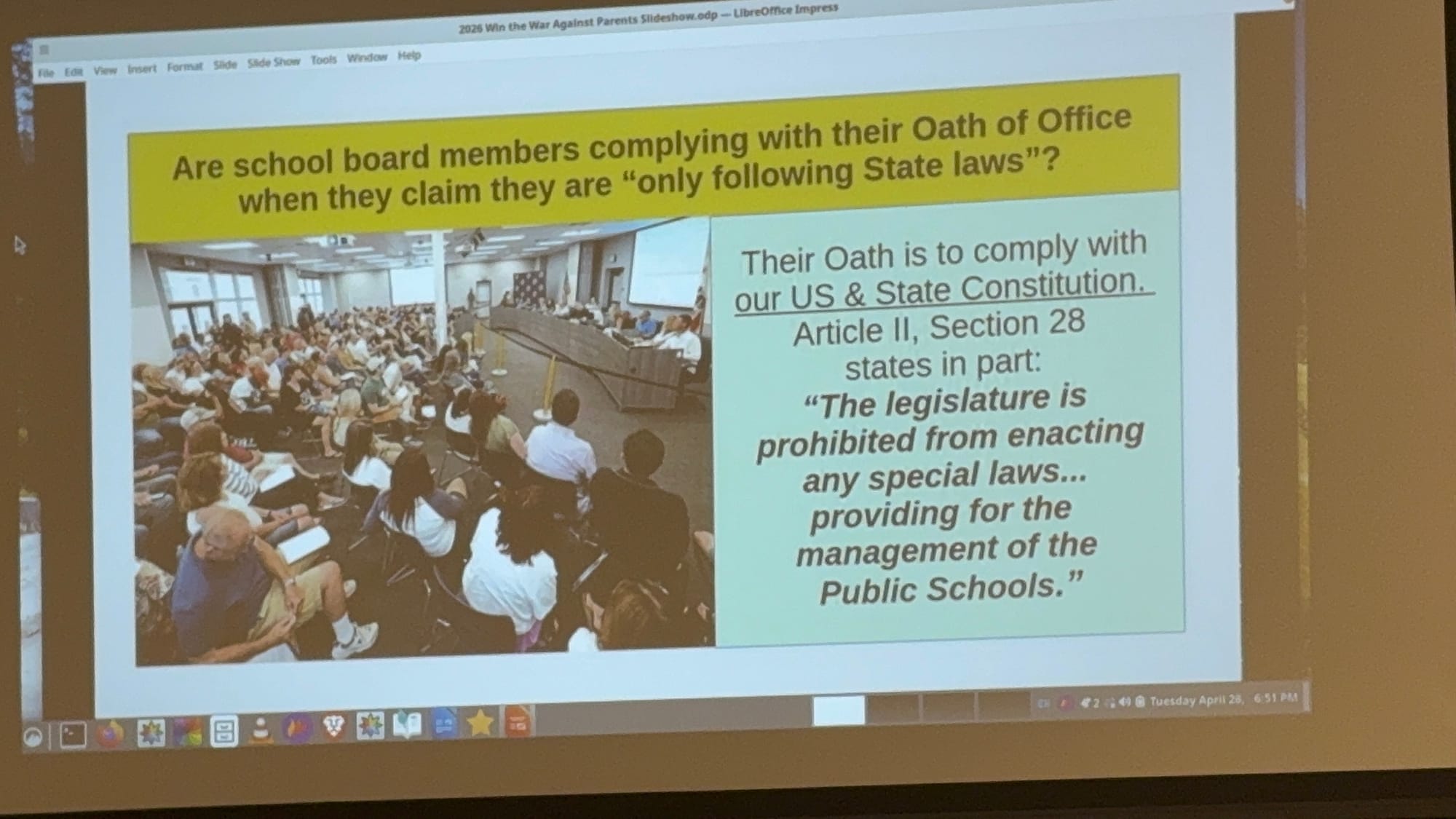
Spring framed the issue within a broader constitutional lens, emphasizing a hierarchy of governing legal authority and the role of local governance. Mr. Spring made some important points that actually put the School Board Directors in the cross-hairs of being outside their elected duties and Oath of Office.
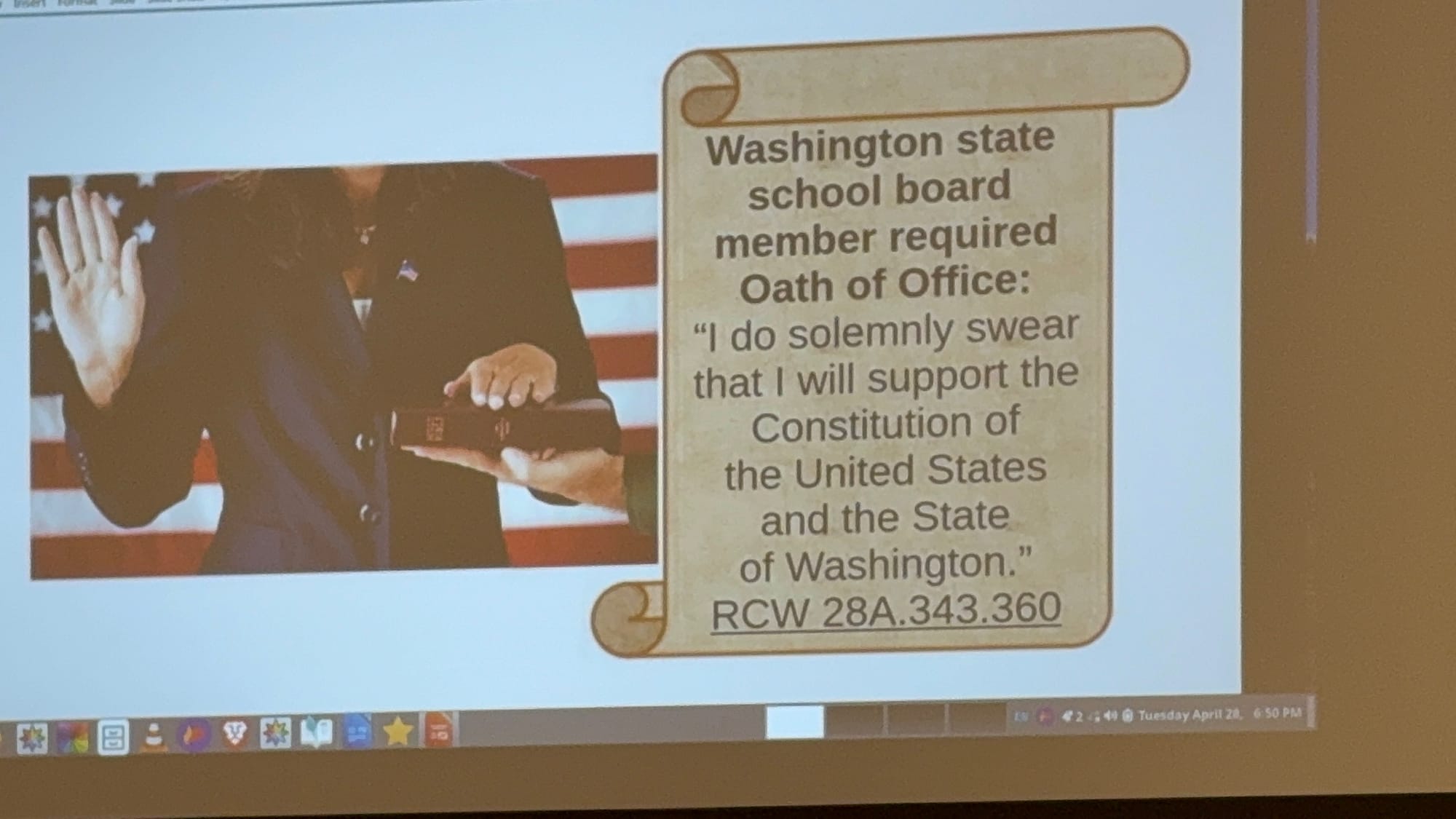
Local Control, Constitutional Authority, and Oath of Office
Spring described school governance as operating within a layered legal system, with the U.S. Constitution as the highest authority, followed by state constitutions and laws. Within this framework, local school boards are then entrusted with decision-making over district policies and operations (i.e. local control). In Washington State, provisions such as Article 2, Section 28 are understood to support this structure by limiting centralized state legislative control and preserving authority for locally elected officials. Any state laws conflicting with federal standards are legally null and void per the Supreme Court.
School board members take an oath of office to uphold both the U.S. Constitution and the Washington State Constitution, requiring them to carry out their duties in alignment with these legal standards. According to Spring, tensions arise when state policies appear to conflict with federal protections, particularly in areas such as civil rights and parental access to information. Elected school board members violate their oath of office when prioritizing state directives (like the hundreds of state mandates) over federal and constitutional safeguards, thereby undermining the intended local control of schools.
He argued that in such cases, local officials have a responsibility to evaluate whether their policies align with higher constitutional standards, reflecting an ongoing debate over how school boards balance state directives with their obligations to both the law and their communities.
Parental Rights at the Center
Spring emphasized the role of the family as foundational, describing parental authority as both historically rooted and inherently inalienable. He argued that families have not only the right—but the responsibility—to guide and protect their children.
He suggested that diminished transparency represents a broader challenge to the integrity of the parent-child relationship.
Other Recognized Authority:
- Inalienable Parental Rights: Parental authority is characterized as a God-given, inalienable right that comes with a fundamental duty to protect children from harmful agendas. Eroding the parent-child bond destabilizes the community.
- Mandated Transparency: Federal statutes (including a 1974 act) require schools to maintain transparency and prohibit the withholding of student information. Supreme Court rulings, such as Mirabelli v. West End Unified School District, reinforce this by establishing that schools cannot hide a student’s status or mental health records (often kept from families once a student reaches 13) from their families, characterizing institutional secrecy as an 'egregious violation' of parental rights.
- Title IX Interpretation: The original intent of Title IX was specifically to secure the rights of biological girls in athletics and private spaces, remaining anchored to biological sex despite contemporary political shifts. The Supreme Court ruling Tennessee v. Cardona affirmed that biological girls are entitled to private spaces, such as locker rooms and bathrooms, in accordance with Title IX's original intent.
He argued that these principles remain legally relevant despite evolving policy interpretations.
Legal Cases and Broader Concerns
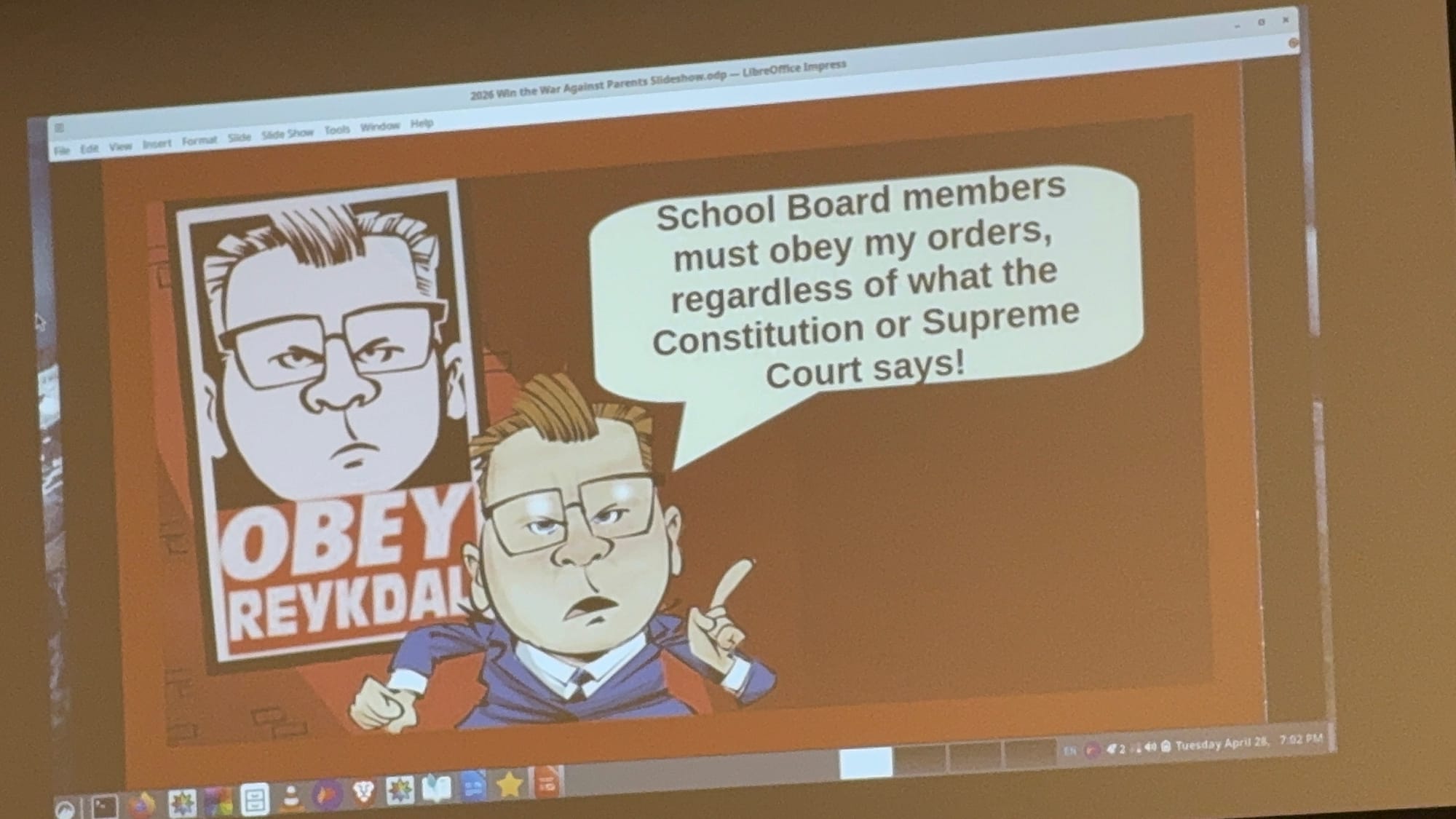
Several U.S. Supreme Court cases that clarify and set-precedents were referenced during the discussion that continue to be ignored by Reykdal and Governor Ferguson:
- Mirabelli v. West End Unified School District, affirmed that withholding student information from families constitutes an “egregious violation” of parental rights.
- Tennessee v. Cardona, affirming access to private spaces based on biological sex.
- Mahmoud v. Taylor, affirming parental oversight of curriculum.
- Chiles v. Salazar, addressed a mental health counselor whose First Amendment rights were violated by restricting professional speech during private counseling sessions.
Academic Performance and Attendance
Beyond legal arguments, broader concerns were raised about trends in Washington’s education system.
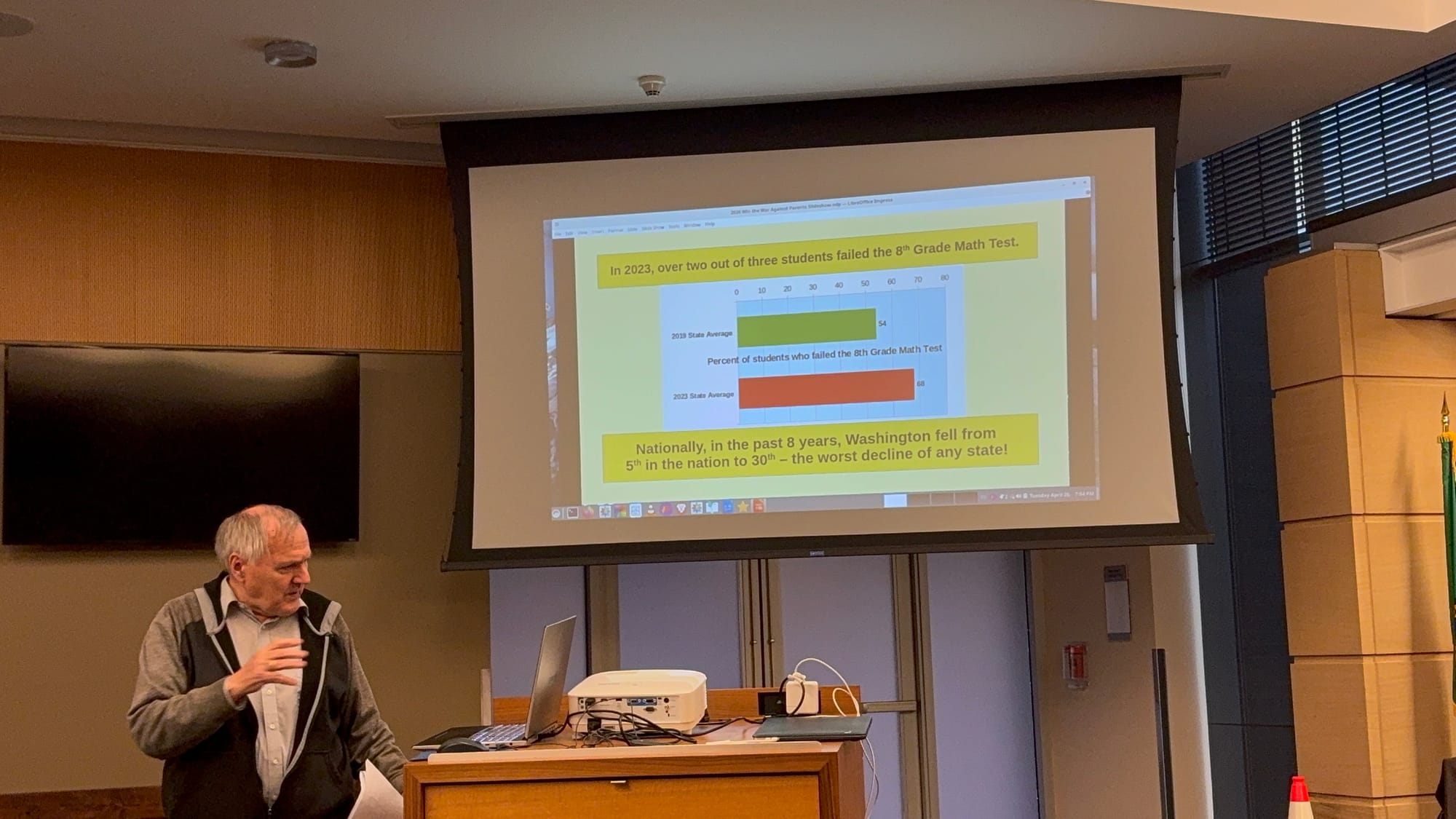
- Eighth-grade math failure rates increased from 50% in 2019 to two-thirds by 2023.
- Washington’s national ranking reportedly declined from 5th to approximately 30th.
- In the Highline School District, 83% of students reportedly failed the eighth-grade math assessment in 2023.
- Chronic absenteeism rose statewide from 17% to 30%, with some districts exceeding 50%.
Additional discussion touched on gender policies in athletics, student mental health approaches, and long-term impacts of medical decision-making.
Looking Ahead
The conversation concluded with discussion of ongoing advocacy efforts, including a Family Rights Initiative aimed at strengthening parental involvement and revising state policies.
The next Community Conversation Series will focus on Title IX and its implications for girls’ sports, private spaces, and prison housing. The event is scheduled for Wednesday, May 27th, with the time and location to be determined.
Members Discussion
Highline Journal Comment Guidelines
We believe thoughtful conversation helps communities flourish. We welcome respectful, on-topic comments that engage ideas, not individuals. Personal attacks, harassment, hateful comments, directed profanity, false claims, spam, or sharing private information aren't allowed. Comments aren't edited and may be removed if they violate these guidelines.