Community Connections
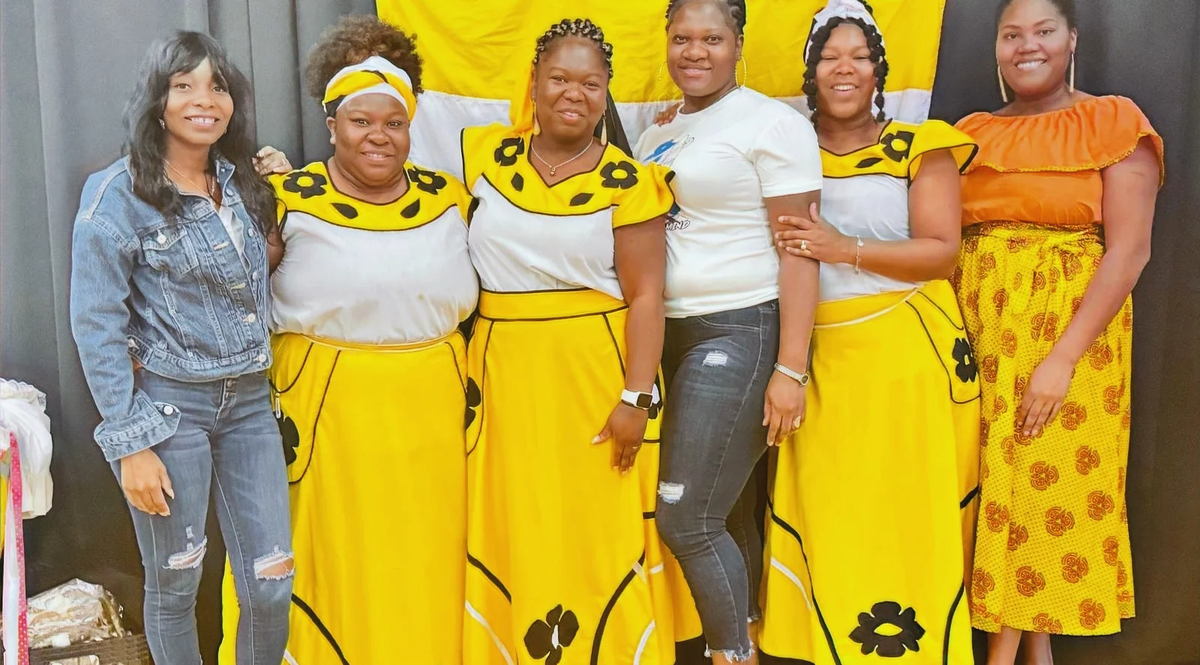
In Washington State, a vibrant yet often underrecognized community is quietly building systems of care, cultural preservation, and advocacy. ALA Garífuna Women (Anichigu Luma Amenigini) is a Seattle-based nonprofit dedicated to uplifting Garífuna women and families through education, cultural programs, and worker advocacy—work that is deeply rooted in lived experience.
Founded by Shaylan Dolmo, Executive Director and President, ALA Garífuna Women emerged from a clear and urgent need. After moving to Seattle in 2012 from the Garífuna community of Aguán, Honduras, Dolmo saw firsthand how many families struggled to navigate immigration systems, education, and access to basic resources.

“Information has so much power. Resources have so much power,” Dolmo shared. “People were trying to figure out schools for their children, medical care for elders, and career opportunities—but there were so many barriers.”
A mother of four and a caregiver herself, Dolmo holds an Associate of Applied Science in Accounting from Shoreline Community College. Her leadership reflects the organization’s core mission: strengthening community support, leadership, and visibility for Garífuna women—many of whom work as domestic workers and caregivers while supporting extended families.
A Cultural Identity That Deserves Recognition
Co-Executive Director and Co-Founder Estefana Harry brings more than a decade of experience as a caregiver and advocate. A certified nursing assistant and medical assistant, Harry has been working in domestic care since 2009 and is an active member of the National Domestic Workers Alliance.
For Harry, the work is also about education—starting with visibility.
“Garífuna is a culture,” she explained. “We are Black Indigenous people from Central America. We speak Spanish, but we also have our own language, and that’s something we are committed to preserving.”
Garífuna people are descendants of West African, Arawak, and Carib ancestry, with a cultural legacy recognized by UNESCO as a Masterpiece of the Oral and Intangible Heritage of Humanity. While large Garífuna populations live in New York City and Houston, Washington State—particularly the Seattle area—has become home to a growing community.
Yet, as Harry and Dolmo emphasize, Garífuna people are often overlooked or miscategorized within broader Black or Latino identities.
“We contribute to the growth of this country,” Harry said. “There is a beautiful community here, and we want people to know who we are.”
Building Community Through Action
ALA Garífuna Women currently serves over 270 families across the region, hosting gatherings and resource distributions every third Saturday of the month. Their programming spans cultural preservation and practical support: cooking classes, ESL workshops, food access assistance, and help connecting families to public benefits such as food stamps and medical insurance.

The organization also operates an open pantry, distributes backpacks and toys annually, and responds to emergency needs—including support for families affected by floods or sudden loss of services.
Their cultural programs aim to keep Garífuna traditions alive through language, music, food, and dance—particularly punta—while inviting the broader public to learn and participate.

“The classes are for anyone,” Dolmo noted. “We love when others come and take part in our workshops. We want people to walk away wanting to learn.”
Advocacy Beyond the Community
In addition to cultural work, ALA Garífuna Women plays an active role in domestic worker advocacy. Harry serves on Washington State’s Domestic Worker Standards Board, a position she has held since 2021, and collaborates with organizations such as We Dream in Black and SEIU 775 to advance worker protections.
In December, the organization traveled to Olympia to support legislation focused on domestic workers’ rights, including fair wages, paid time off, and access to insurance—meeting with lawmakers to push for equity for caregivers across the state.

Looking Ahead
ALA Garífuna Women has received support from King County, including a $10,000 grant to assist with food access and community services, as well as ongoing donations and grants from the City of Seattle. Still, Dolmo and Harry emphasize that continued community and public support is essential.

Their next major cultural celebration, Garífuna Heritage Month, will culminate in an event on April 26, 2026, in Federal Way (location to be announced), inviting the wider community to celebrate Garífuna history, language, and resilience.
How to Support
ALA Garífuna Women welcomes community involvement in many forms:
- Donations and sponsorships for cultural events
- Participation in workshops and classes
- Advocacy for domestic worker rights and equity initiatives
Above all, the organization hopes to foster understanding.
“We have a strong culture,” Dolmo said. “We want people to know who we are—and to help us elevate our people.”
To learn more about ALA Garífuna Women or to get involved, visit their website at alagarifunawomen.org
Members Discussion
Highline Journal Comment Guidelines
We believe thoughtful conversation helps communities flourish. We welcome respectful, on-topic comments that engage ideas, not individuals. Personal attacks, harassment, hateful comments, directed profanity, false claims, spam, or sharing private information aren't allowed. Comments aren't edited and may be removed if they violate these guidelines.