Local
This article is part of The Highline Journal’s Celebrating America at 250: Northwest Stories.
Ever wonder how Seattle grew from a lowly logging town to a bustling international port city?
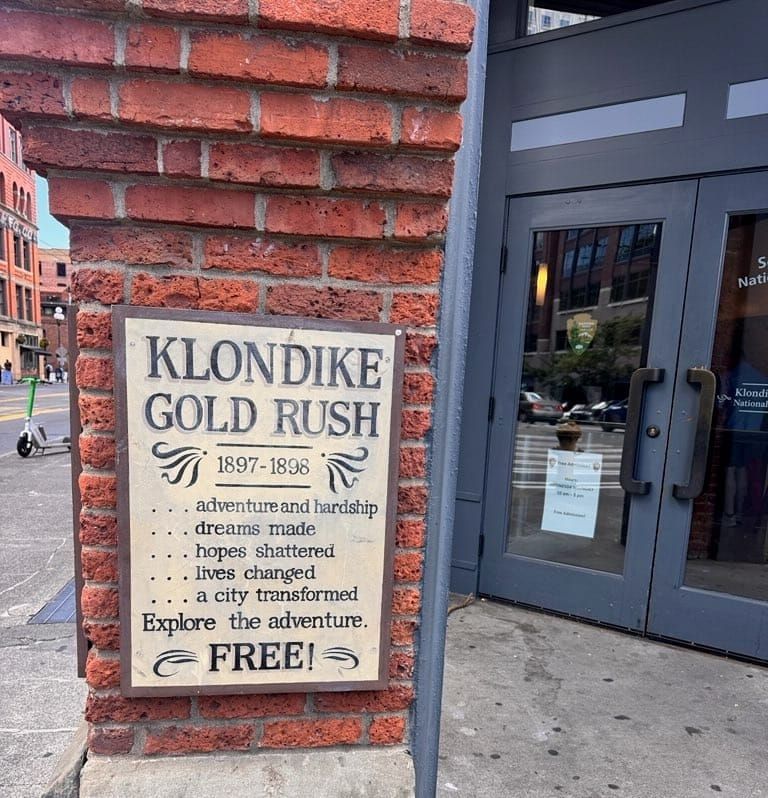
Take a trip back to 1897 when a ship full of Klondike gold changed Seattle’s fate forever. Pioneer Square was the epicenter of the two-year gold rush for 70,000 miners who made Seattle their gateway to the Yukon Territory.
Klondike Gold Rush National Historic Park, an urban landmark located in Pioneer Square, preserves the remarkable story of Seattle’s transformation.
When the cry of “Gold!” was announced by 68 lucky prospectors in 1897, Seattle already had advantages in place to make it a competitive city for departures heading north. It was the closest major US seaport for miners heading to Alaska and the Yukon, and the Great Northern Railway enabled people to travel from all over the country directly to the steamships on the Puget Sound.
Besides these physical advantages, people were more willing to travel and take great risks because, in 1893, just a few years before the gold rush, Americans experienced a severe economic depression. Many people were poor, desperate, and therefore more willing to leave their homes and jobs to seek their fortune.
At that time, Seattle was a small timber town, and the population was only about 40,000, but this news of gold eventually led to a population explosion. In 1897, the Steamship Portland arrived loaded with 2 tons of gold, and that was the catalyst that launched Seattle into prosperity. This event ignited a gold fever in Seattle, and word spread quickly.
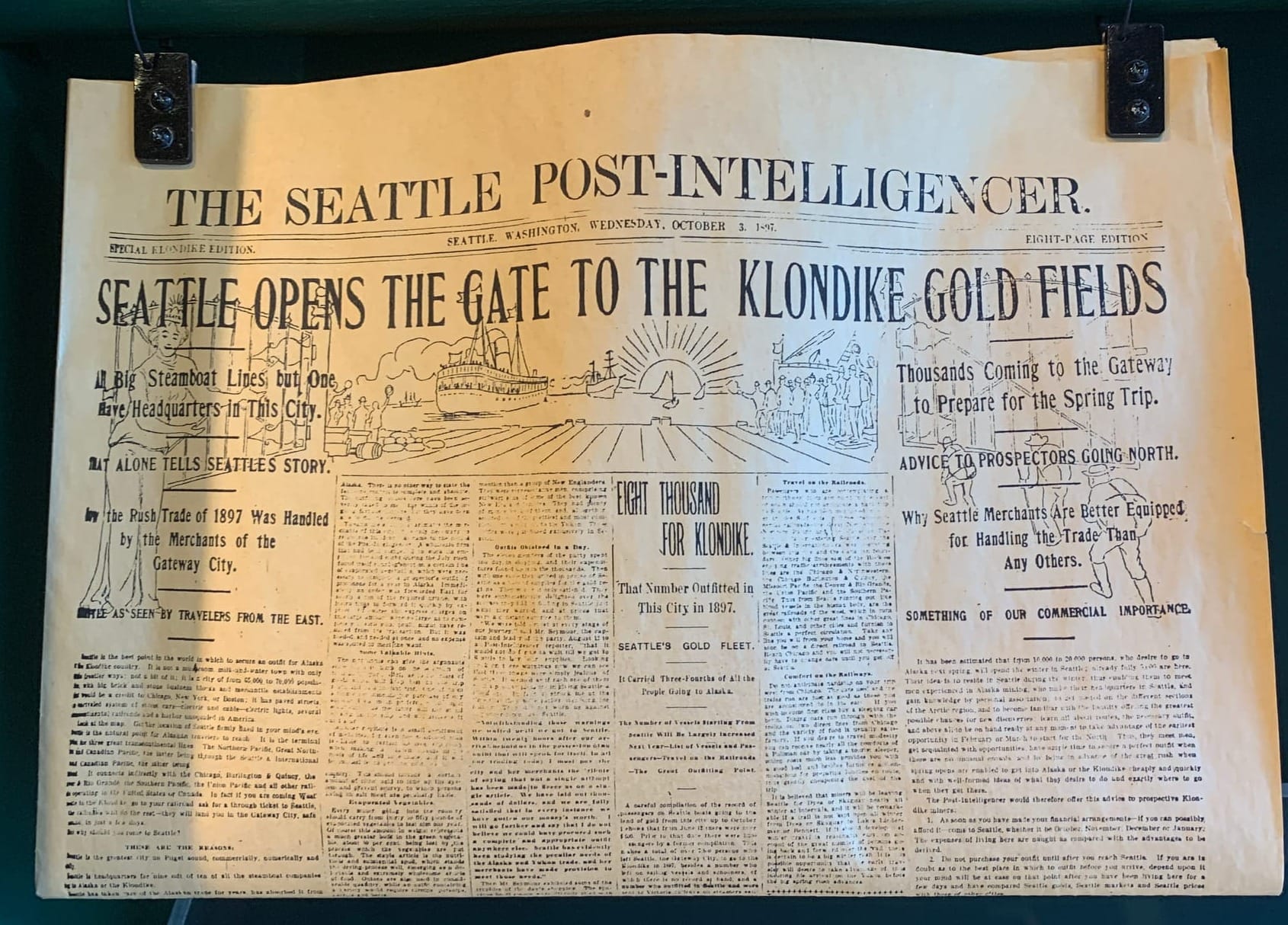
Savvy businessmen capitalized on people’s passion for finding gold, and merchants began stocking up on supplies catering to miners. Seattle was marketed all over the world as a gateway city for the Klondike Goldrush. Travelers were persuaded it was the place to go to stock up on gear, food, make travel arrangements, gather information, and book passage on a steamship to Alaska.
This was a lucrative business, as each miner required a year of food and clothing (approximately 2,000 lbs.) of gear in order to survive the long journey to Alaska and the extreme climate of the north.
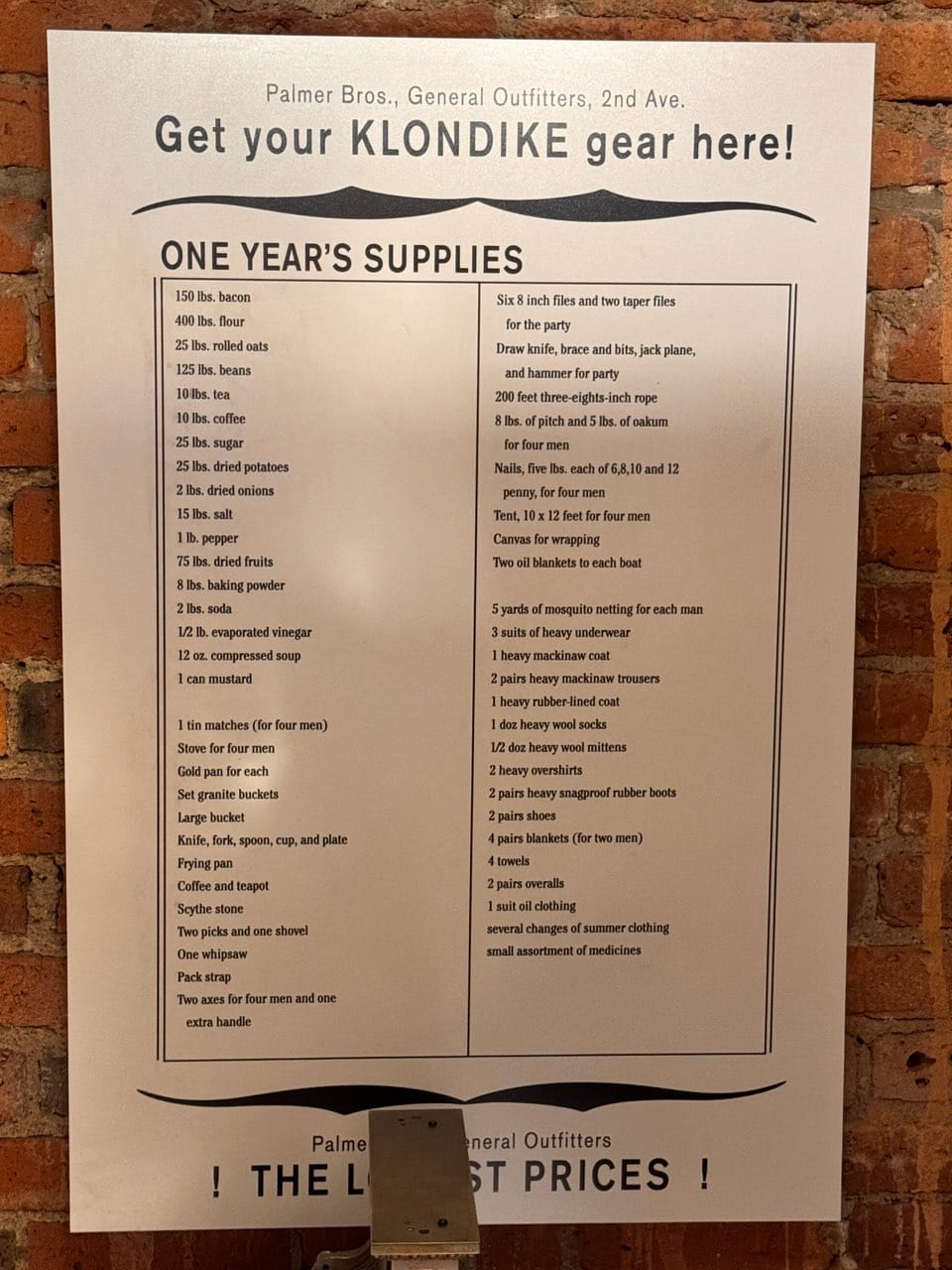
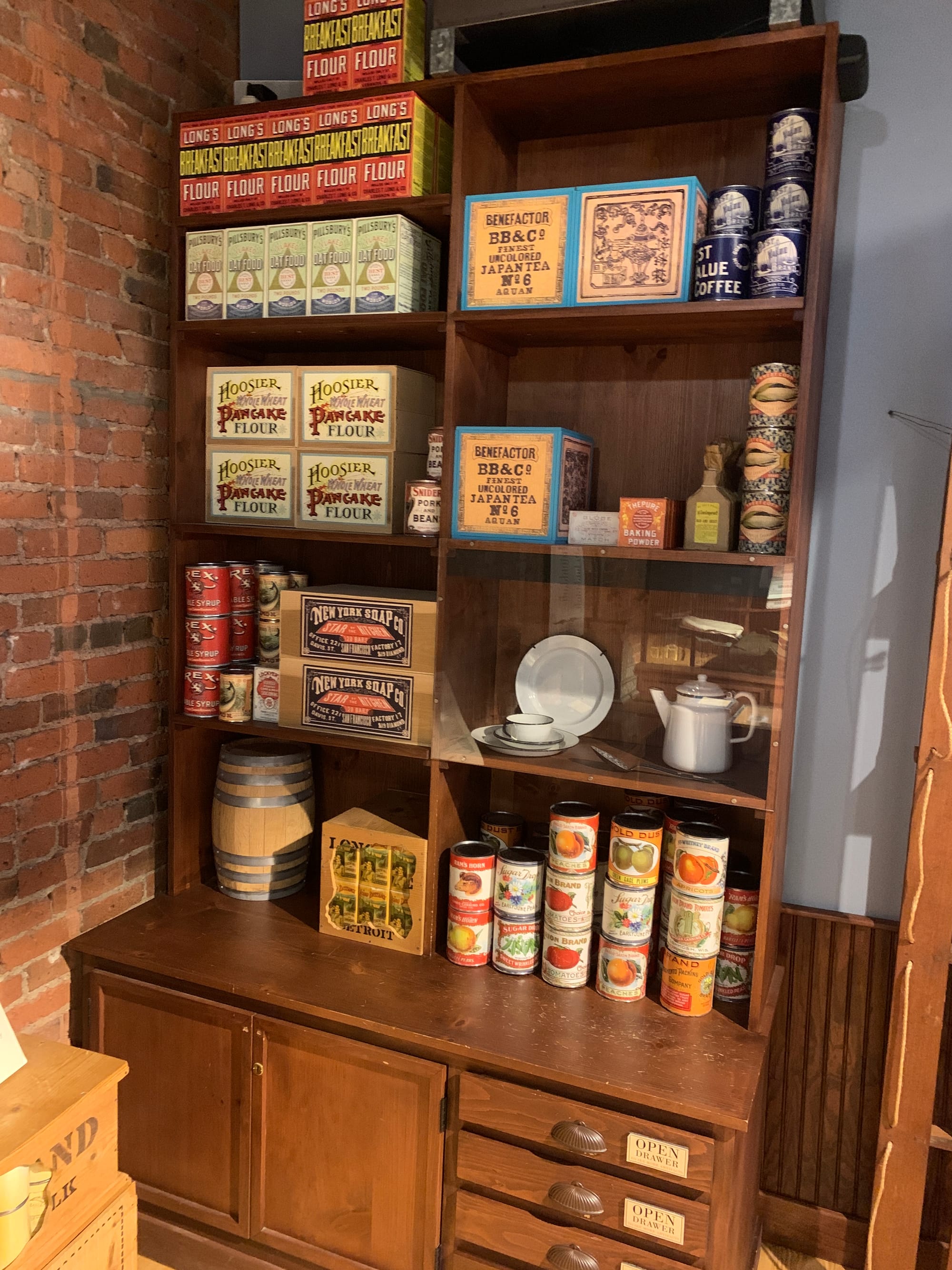
Photos taken at Klondike National Historic Park by The Highline Journal Staff
Of the 100,000 prospectors who came from all over the world during the Klondike Gold Rush, 70,000 miners - or “stampeders,” as they were called- came to Seattle to book their passage to Alaska. Below is a description of life in Seattle from the perspective of a resident in 1897.
"The stores are ablaze with Klondike goods; men pass by robed in queer garments; ... teams of trained dogs, trotting about with sleds; men with packs upon their backs, and a thousand and one things which are of use in the Klondike trade."
- The Seattle Daily Times, 1897
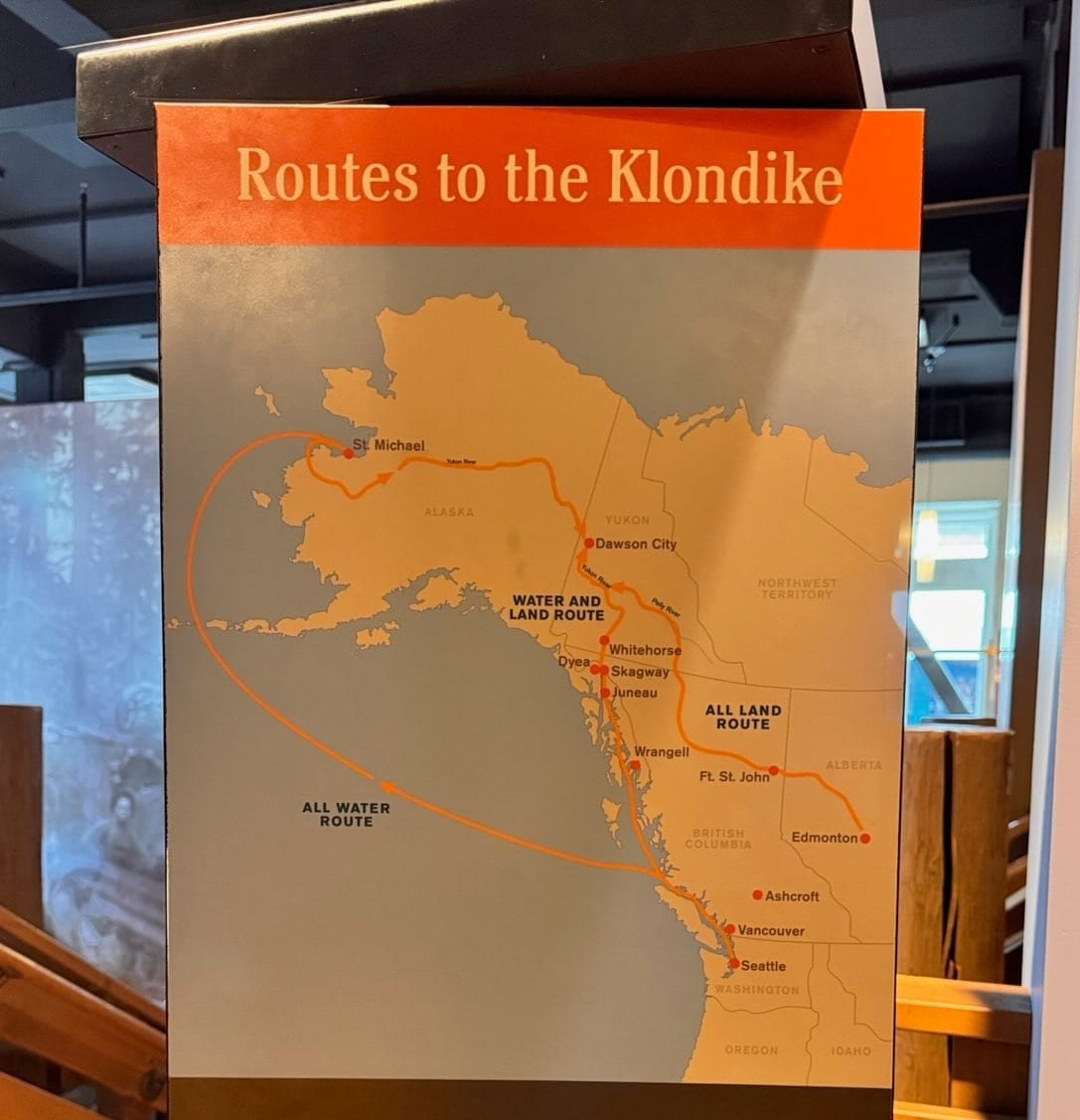
After the 1,000-mile steamship journey to Alaskan ports, there were a couple of treacherous paths the fortune seekers could choose from to reach the mining camps. These trails were fraught with dangers such as diseases, hypothermia, avalanches, and even murderers. Each person had to haul in their 2,000 pounds of supplies, often making multiple trips, and the trails were packed with other miners.
Despite all the risk and suffering, approximately 30,000 survived the journey to get to the goldfields, and of those, only about 300 actually struck it rich.
The prospect of gold drew all types of people to benefit both directly and indirectly from the gold rush. Seattle’s own mayor at the time abruptly resigned his position and instead founded the Seattle and Yukon trading company, which sold steamship passage to the goldfields.
Large portions of Lake Burien and Old Burien were purchased by a few men who struck it rich while mining for gold in Alaska.
John Nordstrom, known today as a co-founder of the well-known Nordstrom Department Stores, became wealthy through a claim in the gold rush. And then there were the con men like Jefferson “Soapy” Randolph Smith II who also seized the opportunity by making a fortune off the miners themselves.
Visitors can learn more about more fascinating people, Seattle’s history and the Klondike Gold Rush itself at the family-friendly and FREE Klondike Gold Rush National Historical Park Visitor Center located in the old historic Cadillac Hotel building. It was established as a National Historic Park in 1976. and it is run by the National Parks Service. All necessary information to plan a visit can be found on their website.
Klondike experience includes:
- FREE “Trail to Treasure” historic walking tour around Pioneer Square
- Huge collection of artifacts, tools, and letters from prospectors
- Interactive kid-friendly exhibits
- Spin the wheel of fortune! What was your chance of striking it rich?
- Step on a scale and find out if you are “worth your weight in gold.”
- Two free informational videos
- Kids can collect embossings and rubbings in their Klondike Diary
Photo of Gold Emboss Stamp next to diary
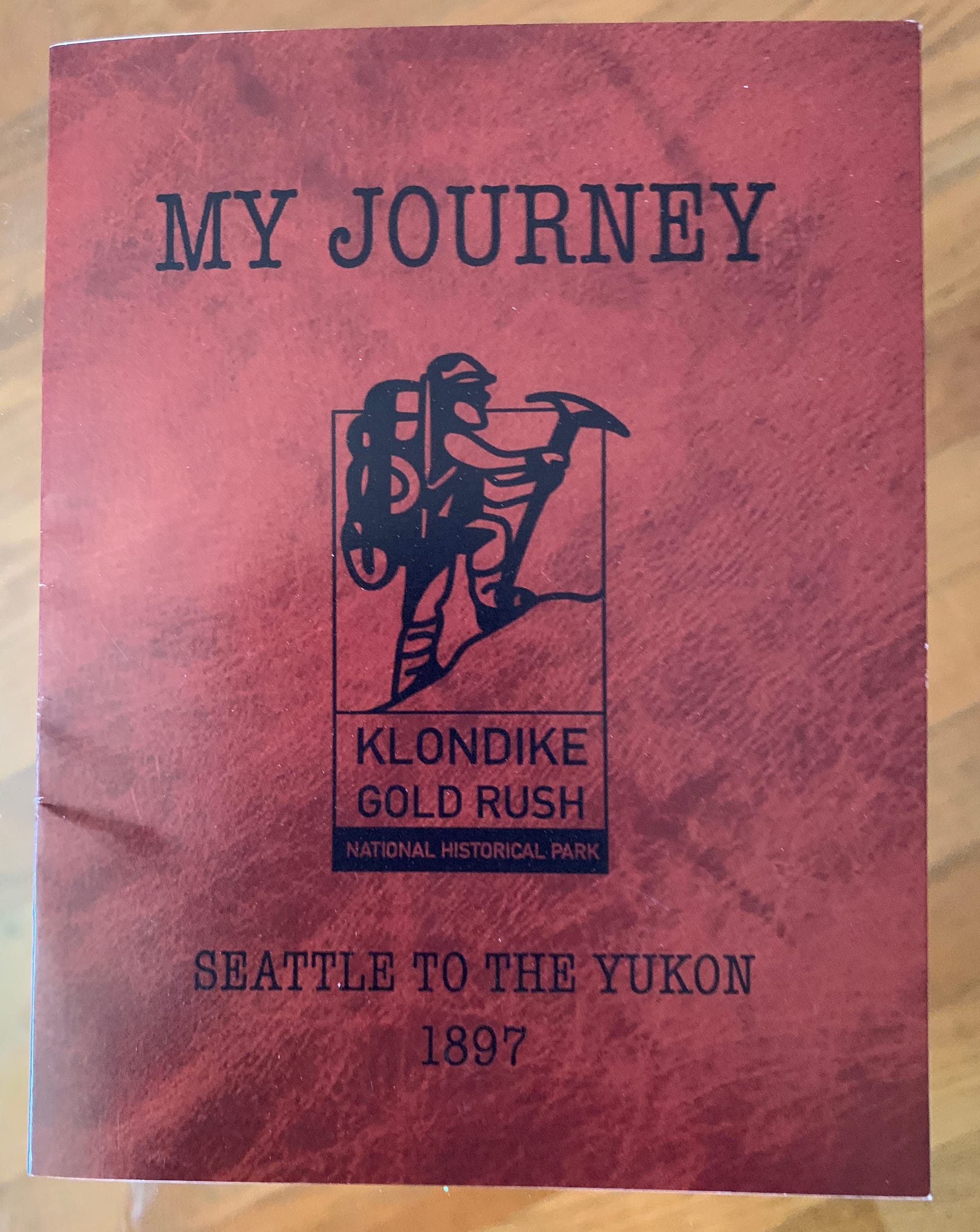
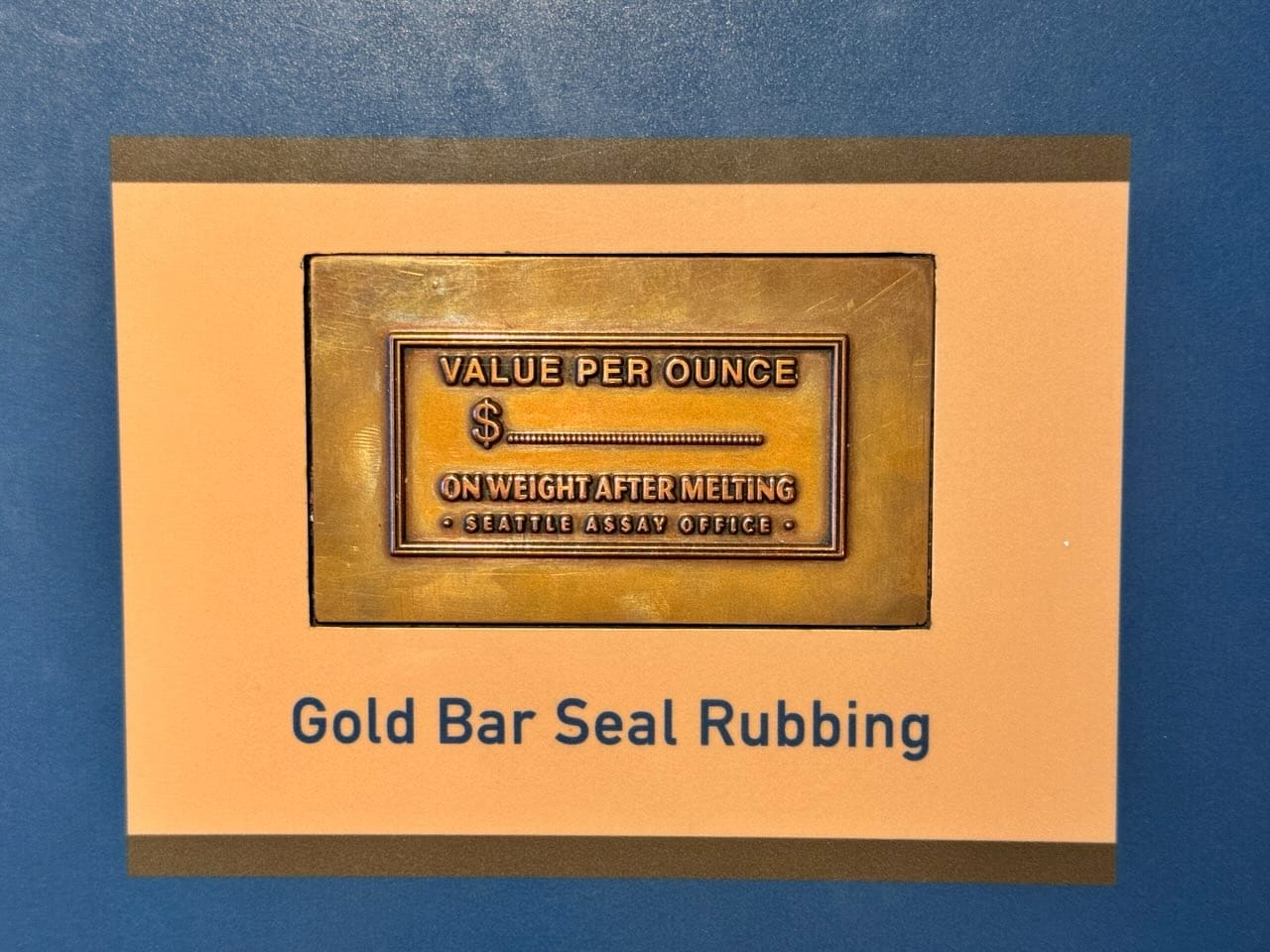
Left: Klondike Diary for Kids to collect embossing and rubbings throughout the visitor center, Right Gold Bar Seal - photos taken at Klondike Visitor Center by Katie Kresly
Images from the Visitor Center and "Trail to Treasure Walking Tour
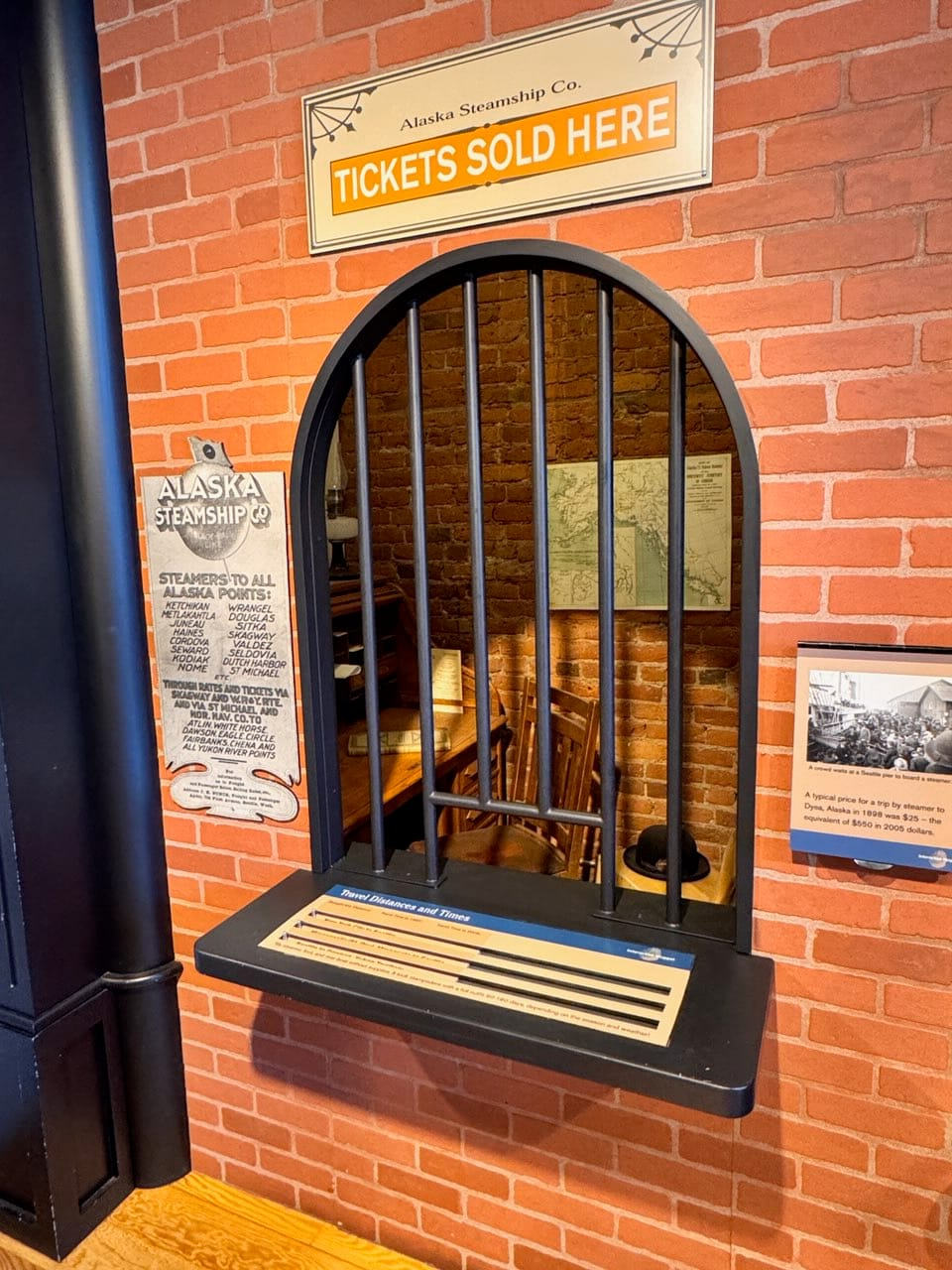
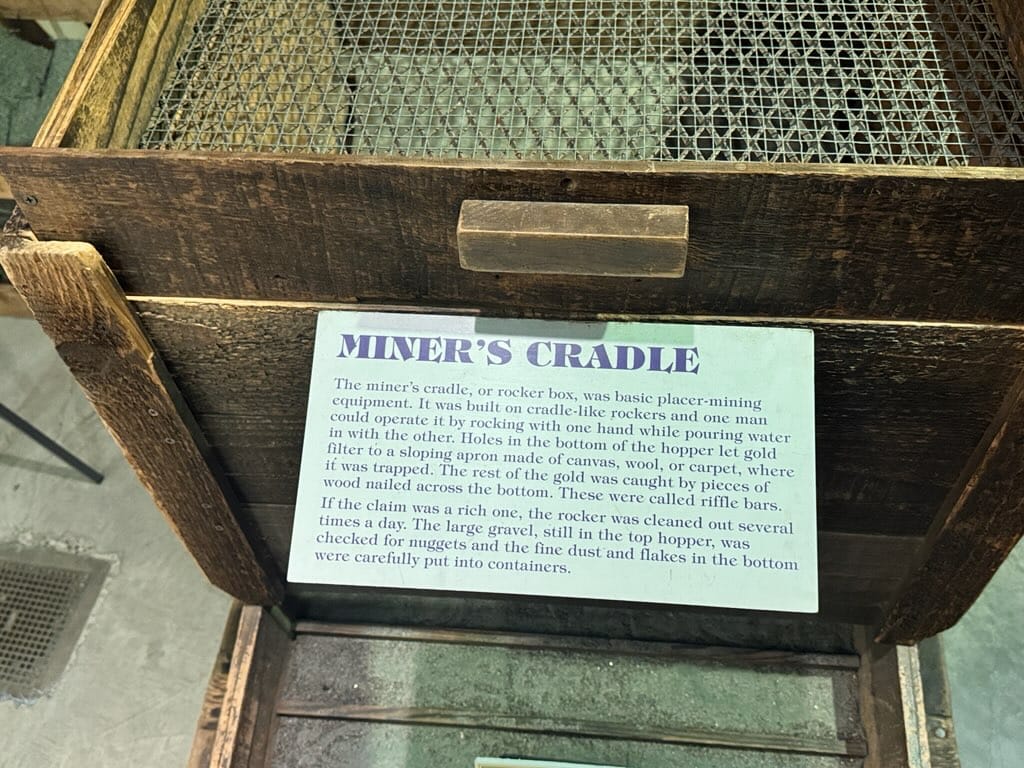
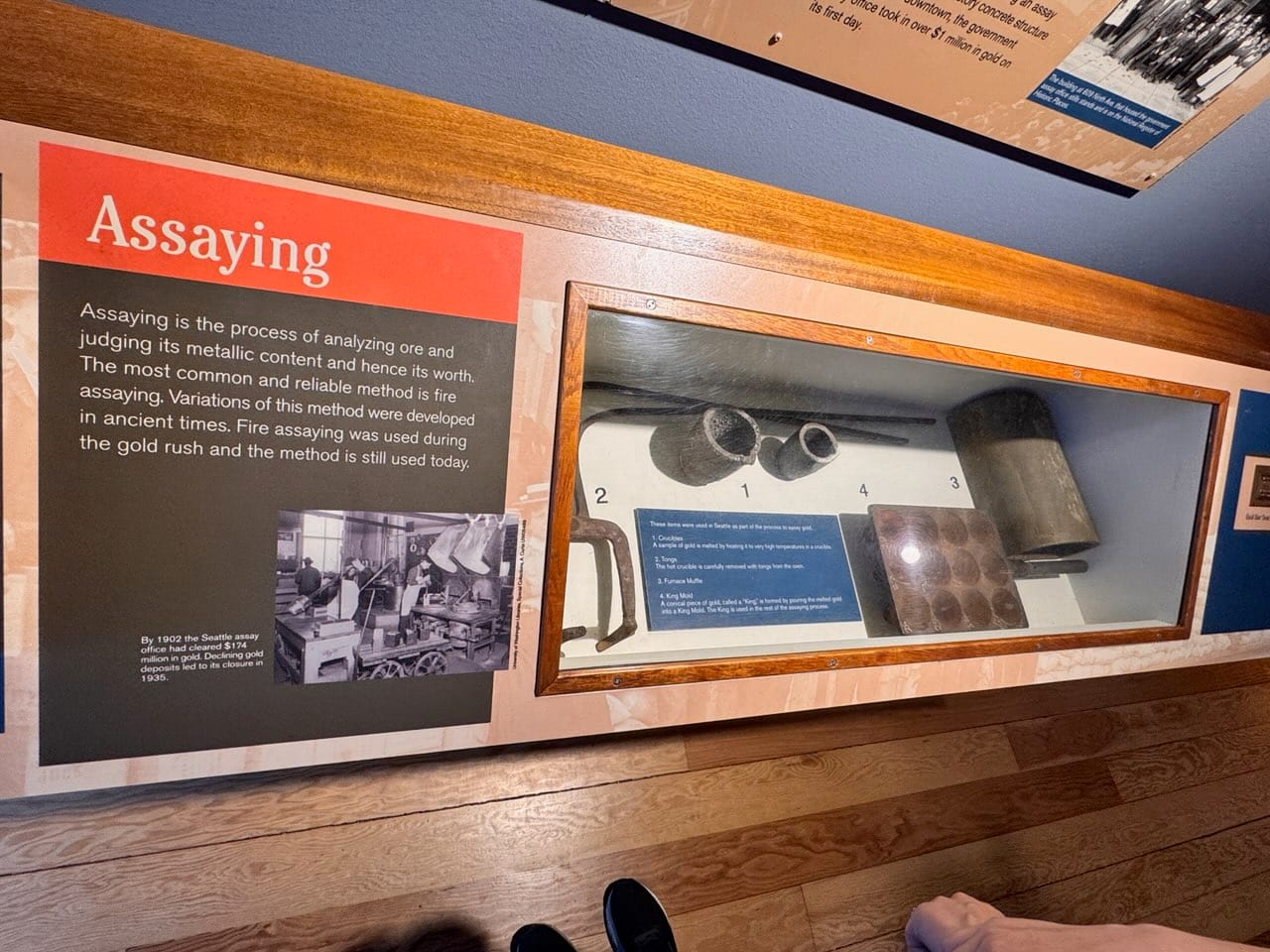
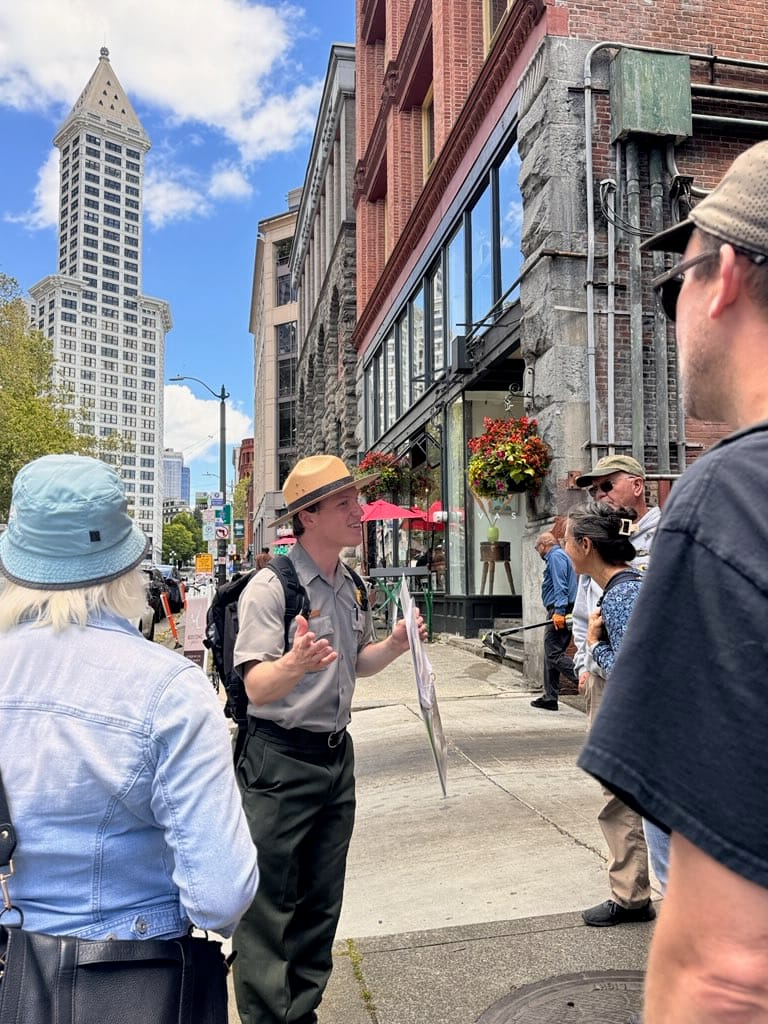
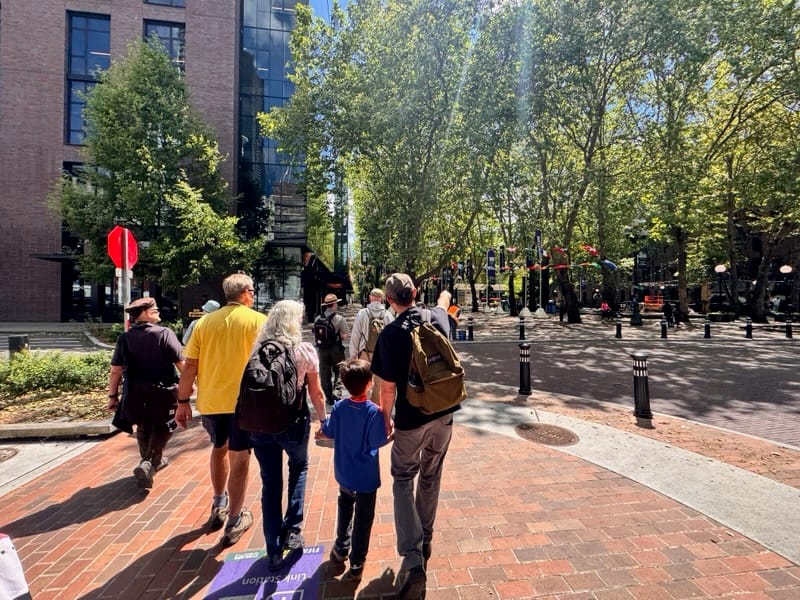
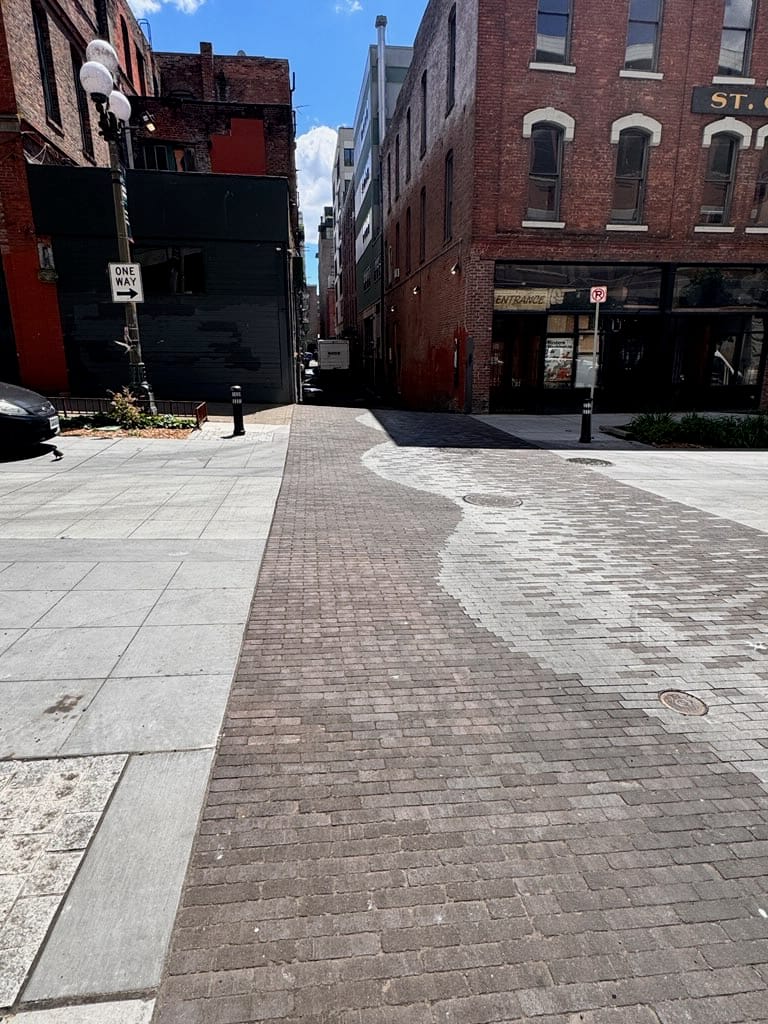
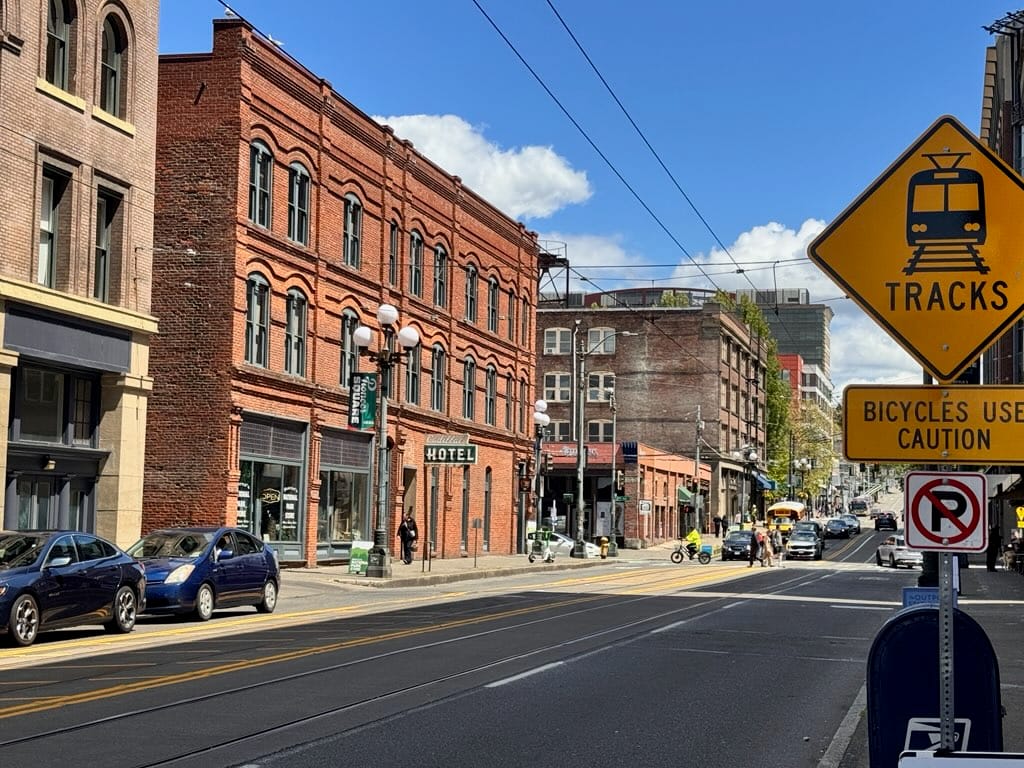
Photos taken from the Klondike National Historic Park and Trail to Treasure Walking Tour by Katie Kresly
We invite readers to be part of this series!
America at 250: Northwest Stories
Have you visited a Pacific Northwest site that deepened your understanding of our nation’s past? Do you have a personal story connected to a local landmark? Do you have recommendations?
As we approach America’s 250th birthday, we hope to tell the story of our country through the voices of our community — one place at a time.
Send your story to idea to us at info@TheHighlineJournal.com
Members Discussion
Highline Journal Comment Guidelines
We believe thoughtful conversation helps communities flourish. We welcome respectful, on-topic comments that engage ideas, not individuals. Personal attacks, harassment, hateful comments, directed profanity, false claims, spam, or sharing private information aren't allowed. Comments aren't edited and may be removed if they violate these guidelines.