Community
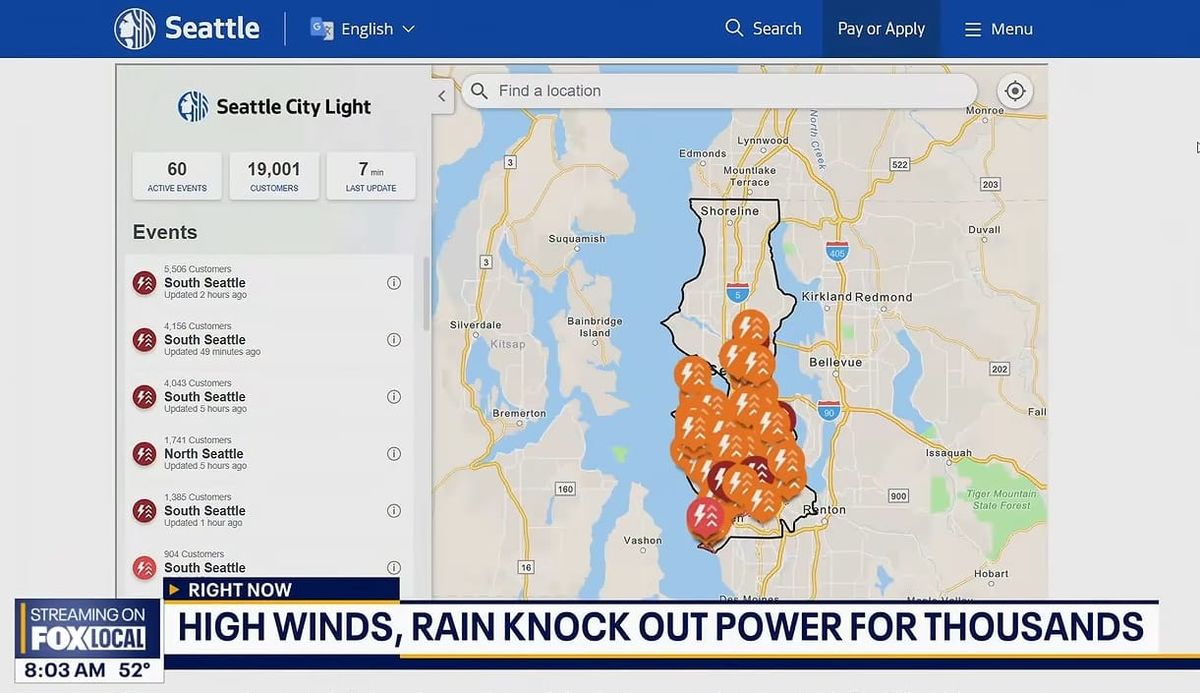
Saturday’s windstorm left more than 40,000 Seattle City Light customers without power, with outages stretching from Shoreline to Gregory Heights, KIRO 7 reported. Puget Sound Energy also reported thousands of outages across King and nearby counties. KIRO 7 News Seattle
Power loss can mean no heat, phone charging or safe food storage. It can be especially difficult for people who rely on powered medical equipment.
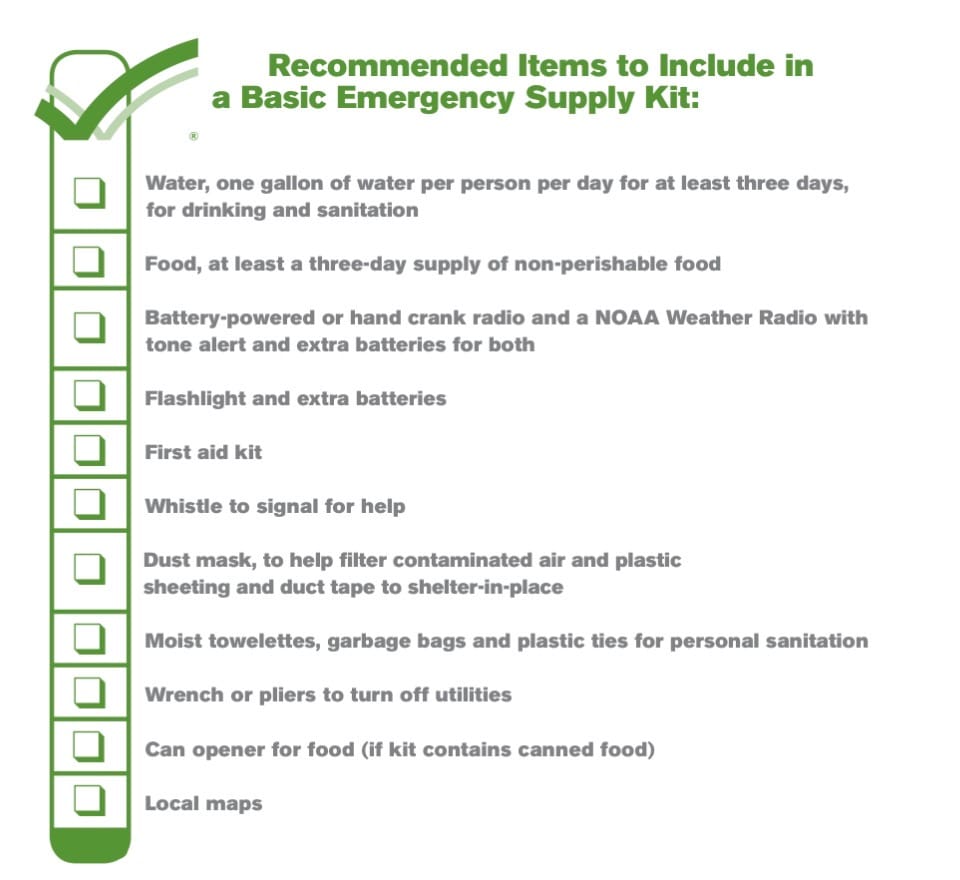
King County lists winter storms, earthquakes, floods and utility outages among local hazards. FEMA recommends keeping basic supplies for at least three days. kingcounty.gov
Britain and the EU have renewed the 72-hour preparedness message. After Saturday’s storm, the question is close to home: Could your household manage for three days?
We Recommend: Build Your 72-Hour ‘Go-Bag’
A go-bag is a portable emergency kit containing essentials needed to evacuate quickly and survive the first three days of a crisis.
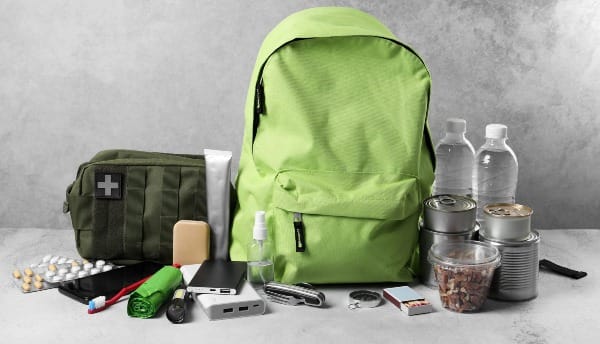
Every household member should have an accessible, manageable bag containing:
- Water and food: Drinking water, nonperishable snacks, protein bars, and ready-to-eat meals That don’t require cooking.
- Important documents: Copies of identification, passports, birth certificates, insurance policies, prescriptions, and emergency contacts in waterproof packaging.
- Emergency cash: Small bills and coins in case ATMs, banks, or electronic payment systems are unavailable.
- Clothing: Sturdy walking shoes, extra socks, underwear, warm layers, rain protection, and a change of clothes. If you have children, update for growth and needs of the child.
- Medical supplies: First-aid kit, essential medications, vitamins, spare glasses, and personal medical necessities.
- Emergency equipment: Flashlight, extra batteries, whistle, battery-powered or hand-crank radio, portable phone charger, and power bank.
- Personal supplies: Hygiene products, blankets, dust masks, and necessities for infants, elderly family members, or pets.
- Navigation and communication: Paper maps, written emergency contacts, and spare keys.
Keep your bag somewhere easily accessible and update supplies every six months.
What If the Grid Stays Down Longer?
A 72-hour bag is only the beginning. Extended power outages, earthquakes, wildfires, or infrastructure failures could disrupt supply chains leading to food distribution, unreliable water systems, telecommunications, and financial transactions.
Consider keeping one to two weeks of essential supplies at home, including shelf-stable food, medications, sanitation products, and drinking water.
FEMA also recommends at least one gallon of water per person per day for a minimum of three days. Households preparing for longer disruptions should increase their reserves accordingly.
Other precautions include keeping emergency cash securely stored, maintaining a manual can opener, arranging safe backup power, and knowing how to shut off household utilities when necessary.
Never operate generators, charcoal grills, or fuel-burning camping equipment indoors.
Establish a family emergency plan with evacuation routes, meeting locations, and alternative communication methods if cellular networks fail.
Preparedness also involves practical self-reliance. In our November 2025 article, Preparing Yourself & Family to Have Food Security Is an Essential Skill, guest writer Nathan Schubert Jr. discussed how basic cooking skills, affordable pantry staples, and thoughtful food planning can strengthen household resilience.
Don't Wait for an Emergency
Government preparedness campaigns are reminders that essential services cannot always be guaranteed.
A fire, earthquake, cyberattack, or prolonged blackout can happen without sufficient warning to purchase supplies or make arrangements.
Preparing now, while stores are stocked, banking systems function, and daily life remains relatively normal, gives households options when circumstances change.
The goal isn't to predict the next emergency. It's to avoid being unprepared when one occurs.
Members Discussion
Highline Journal Comment Guidelines
We believe thoughtful conversation helps communities flourish. We welcome respectful, on-topic comments that engage ideas, not individuals. Personal attacks, harassment, hateful comments, directed profanity, false claims, spam, or sharing private information aren't allowed. Comments aren't edited and may be removed if they violate these guidelines.