Editorials
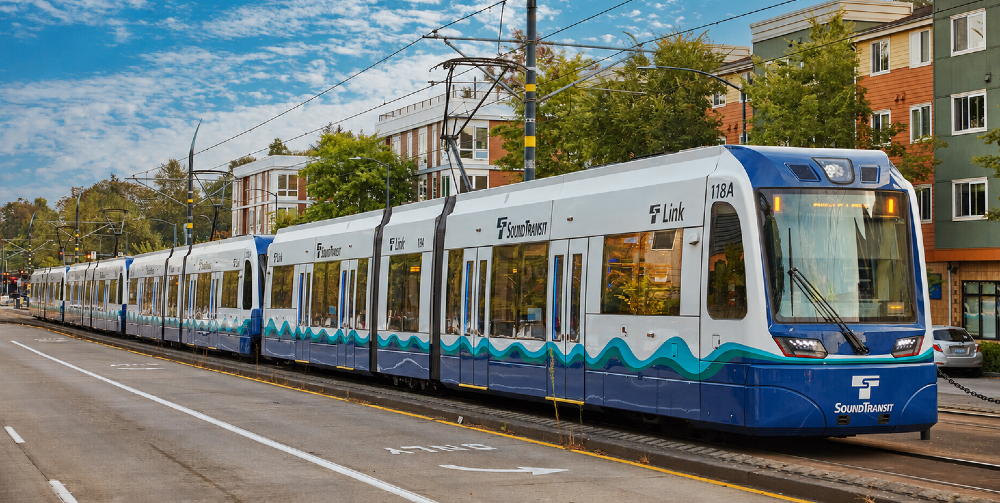
The Sound Transit Board is meeting on May 28 from 1:30 to 4 pm. They are scheduled to vote on adopting a revised plan, given a $34.5 billion shortfall between project costs and available revenues. Also, it turns out there’s another issue too: the amount of debt Sound Transit can issue is limited to 1.5% of the assessed value of the Sound Transit taxing district.
Literally, the credit card would be maxed out with the original plan.
After the recent story on the Sound Transit forum held at Highline College, I did some additional research and have some observations about the resolution.
Observations
First, the measure the board is voting on does not have any costs listed for the various items in the three groups of build now, do some work now, and defer to some time in the future. See for yourself: there must be numbers somewhere, but there are no links, just dollars categorized by subarea towards the end of the 15 pages. Though this plan is based on nearly two years of work, the plan itself says, “corrected on May 7” so the final proposal is quite recent.
Second, there are two key numbers that play a major role in the financial viability of the plan. One is interest rates. The second is construction cost inflation. The board has had retreats, presentations, subcommittees and extensive information, but are these numbers realistic? It is impossible to tell from looking at the board resolution.
So why is this plan important for Highline? One could argue “we already have accessible light rail in the greater Highline area, stretching from 154th to 272nd.” There are several issues impacting our area as well as the entire region.
Three Big Issues
- Our region needs people coming to the airport by transit. Yet the plan has some major downsides for making this happen. Specifically, it creates obstacles for people riding light rail to the airport.
The proposed West Seattle to Seattle Center (or maybe Ballard some day) route relies on a second tunnel being constructed 140 feet, beneath downtown. At two stops, riders who are coming from the Eastside, or north Seattle, would need to transfer. This tunnel was described in a very informative Seattle Times story in 2022. This post from the group Smarter Transit is not behind a paywall and has a graphic showing how this would work.
The downside for our region: people coming to/from the airport are going to have a significantly longer trip because of the transfer. If they have more than a carry - on, the transfer becomes even more complicated. There is no indication this has ever been discussed. It certainly was not mentioned in this story about a December meeting where the board passed on the idea of cancelling the second tunnel.
This map is not the same as the plan, but does illustrate how the current 1 line south to north line route would change, with transfer points at SODO, Midtown or Westlake. Riders from the eastside would first go north into downtown Seattle, then get on a train going south, again in the 140 foot deep new tunnel.
At a time when the Port of Seattle is pushing its “sustainable” plan to increase passenger traffic by an additional several hundred thousand travelers more per week, plus a lot more cargo, our area needs all the help we can get in reducing vehicle traffic The mega tunnel is an obstacle, not a help, at making this happen.
- Funds are not invested in additional regional express bus service
The resolution provides for studies on buses and on partial funding for some programs such as additional bus bases could tangentially help get people to/from Seatac.
The other day, I heard about an innovative idea at Boston Logan airport: have remote TSA security screening, then have the screened people ride a bus directly to an area of the airport. One source is ABC. Should Sound Transit and the Port be collaborating on something similar? The problem: there’s zero available funding for additional bus service under the board resolution. The money is all gone.
- Parking expansion is not specified
The resolution has a “parking fund.” I asked a Sound Transit media representative for details of the amount and what this could buy. I did not hear back. Currently, most of the time, there’s space available at all the garages in the area. But will there be in 10 - 20 years? If more space is needed, where will the funding come from? There will be many others with higher priority, such as Renton, where the rapid bus stops from Burien to Bothell need parking in order to have enough riders for financial viability.
How long will voters be paying off the debt?
Apart from these issues specific to Highline, there I want to highlight the very long nature of this debt. When voters approved Sound Transit 3 in 2016, the construction was supposed to be done within 20 to 25 years. I would be very surprised if people thought they were voting on a plan that would incur costs into the 2060’s and 2070’s, or even longer.
Yet under the revised proposal, construction would not wrap up on the “affordable” items until 2052. At that point, there will still be billions and billions of debt left for our children, grandchildren, great grandchildren and future generations to pay. How much will be left to pay off? And for how long? We don’t know. This is a question the Sound Transit rep did not have an answer for. In other words, there does not seem to be a 50-year timeline available showing cash flow, debt coverage ratios, sensitivity to interest rates and other items. What will 20 or 30-year borrowing rates be in 2052? Or even 2042? We are looking at a really long time. There are no guarantees we’ll be done paying for this before major overhauls are needed.
Bottom Line
Sound Transit’s upcoming vote on May 28th has major implications for Highline and also for regional finances.
Learn more or comment:
- 1:30 pm - Sound Transit Board of Directors - AGENDA
- Location: Union Station, 401 S Jackson Street
- Sound Transit Zoom Link
- Public Comments: in person, virtual or email.
- Sign up for Virtual Comments
- Email comments to: meetingcomments@soundtransit.org
Members Discussion
Highline Journal Comment Guidelines
We believe thoughtful conversation helps communities flourish. We welcome respectful, on-topic comments that engage ideas, not individuals. Personal attacks, harassment, hateful comments, directed profanity, false claims, spam, or sharing private information aren't allowed. Comments aren't edited and may be removed if they violate these guidelines.