Community
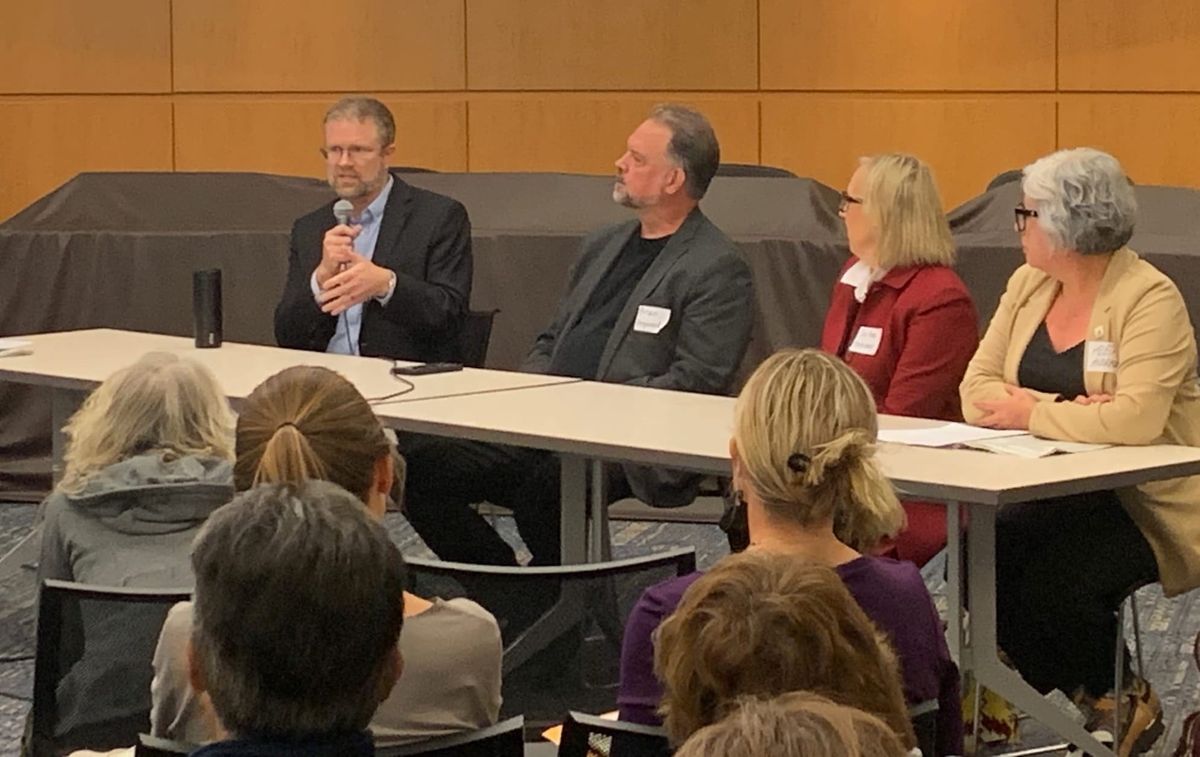
Residents questioned elected officials and community leaders about ballot initiatives, legislative priorities, school construction costs, and technology spending during an Oct. 6 forum in Burien.
Highline Good Neighbors hosted a Community Conversations event at the Burien Library on Oct. 6, 2026, bringing residents together with elected officials and community leaders to discuss three statewide ballot initiatives and Highline Public Schools' proposed bond and technology levy.
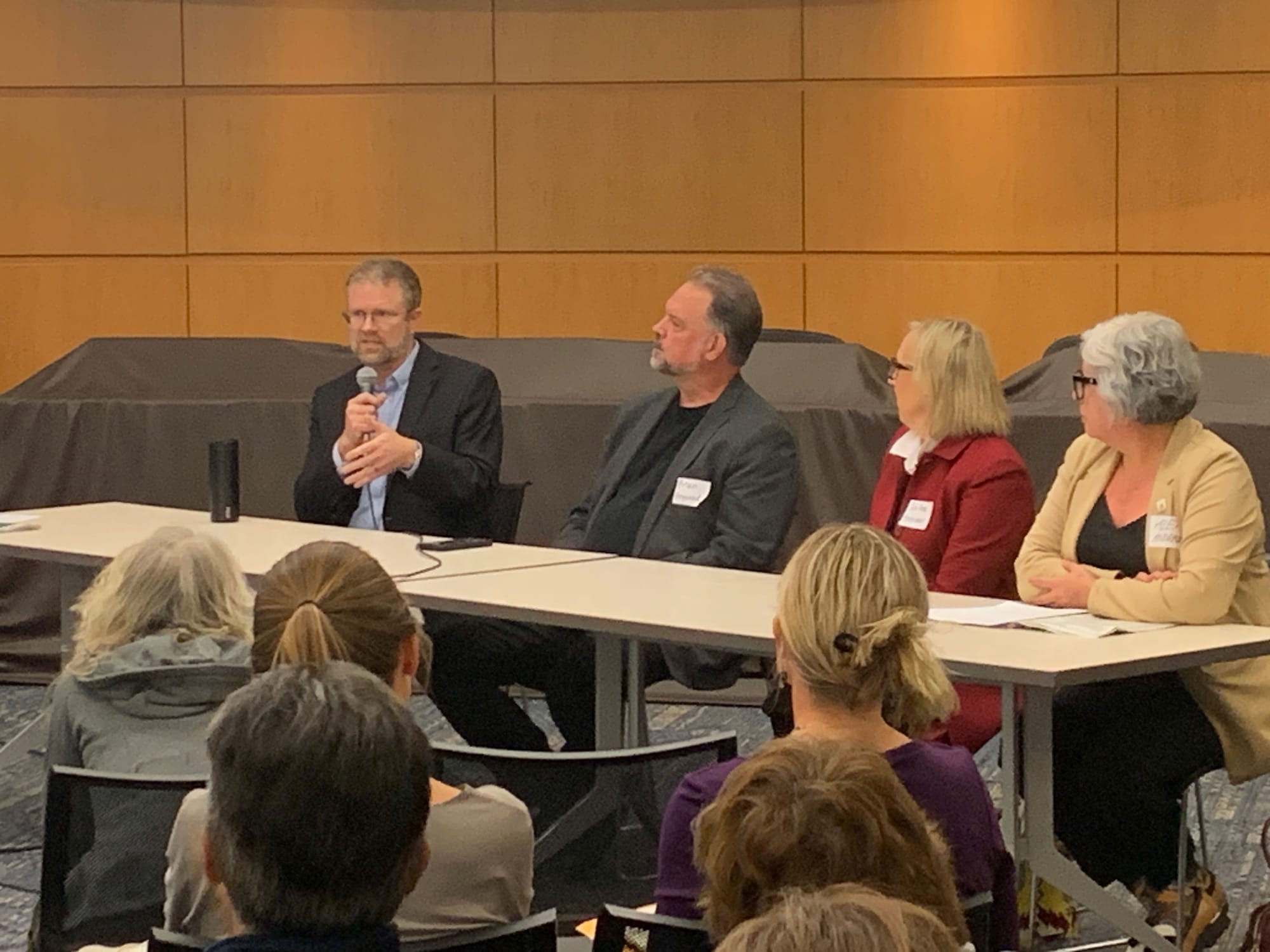
The panel included Brian Heywood, founder of Let's Go Washington and sponsor of the initiatives; Burien City Councilmember Alex Andrade; Normandy Park Mayor Eric Zimmerman; and Normandy Park Deputy Mayor SueAnn Hohimer, a member of the district's Capital Facilities Advisory Committee (CFAC).
While many other elected leaders and school directors were invited to help give balance to the conversation, many said no or did not respond to their constituents' invitation.
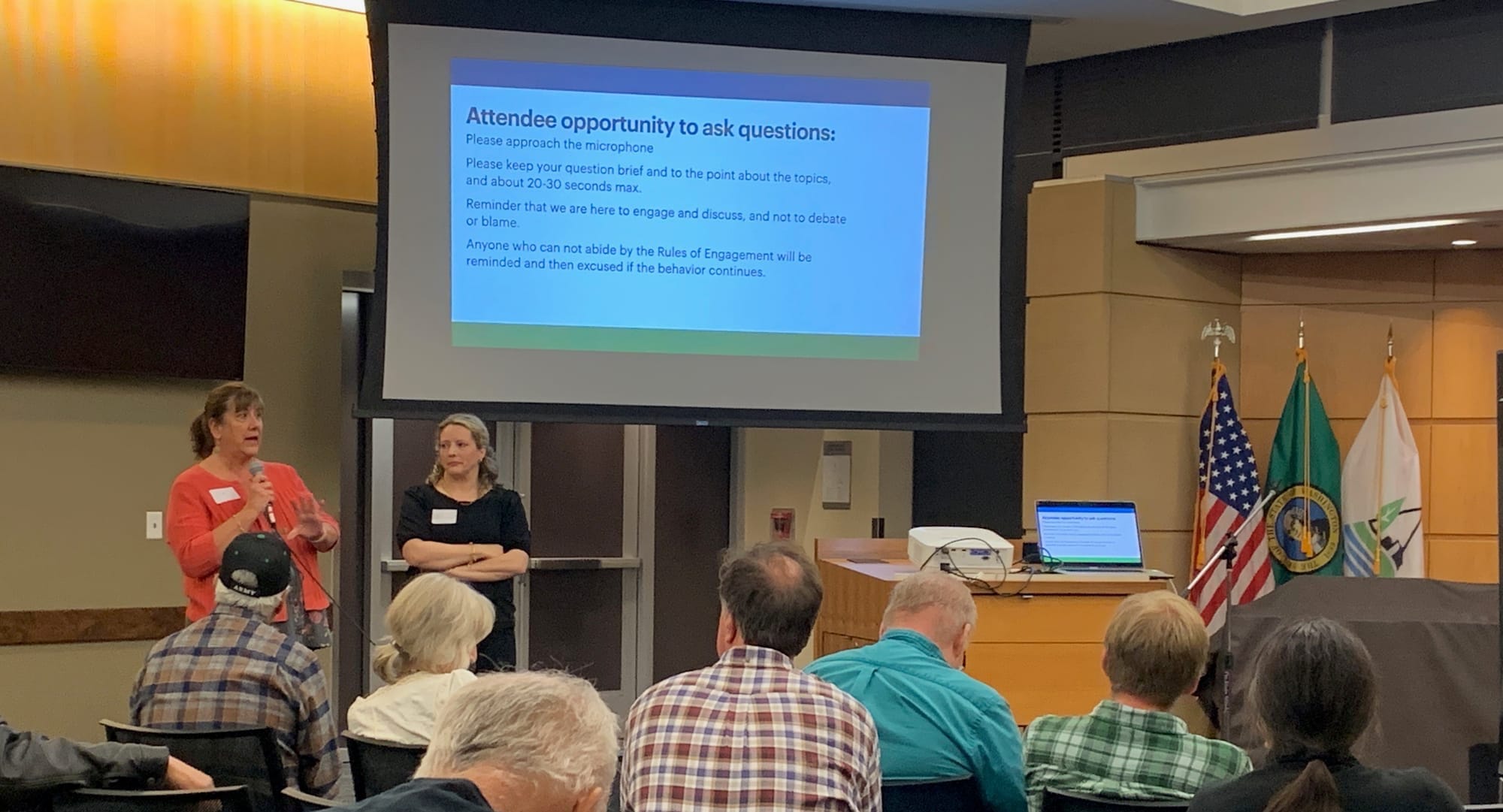
Former Highline School Board Director Melissa Petrini moderated the discussion, which began with prepared questions before opening to audience participation. The meeting continued beyond its scheduled time as residents raised additional concerns, at times at odds with the panelists.
The meeting was not recorded, so that participants would feel more comfortable sharing and asking questions without recourse.
Voter Initiatives and Legislative Accountability
Much of the discussion centered on Washington's citizen-initiative process and whether state lawmakers are adequately respecting measures brought forward by voters.
Questions addressed legislative handling of initiatives, the role of public hearings, and how citizens can hold elected representatives accountable when voter-sponsored proposals conflict with legislative priorities.
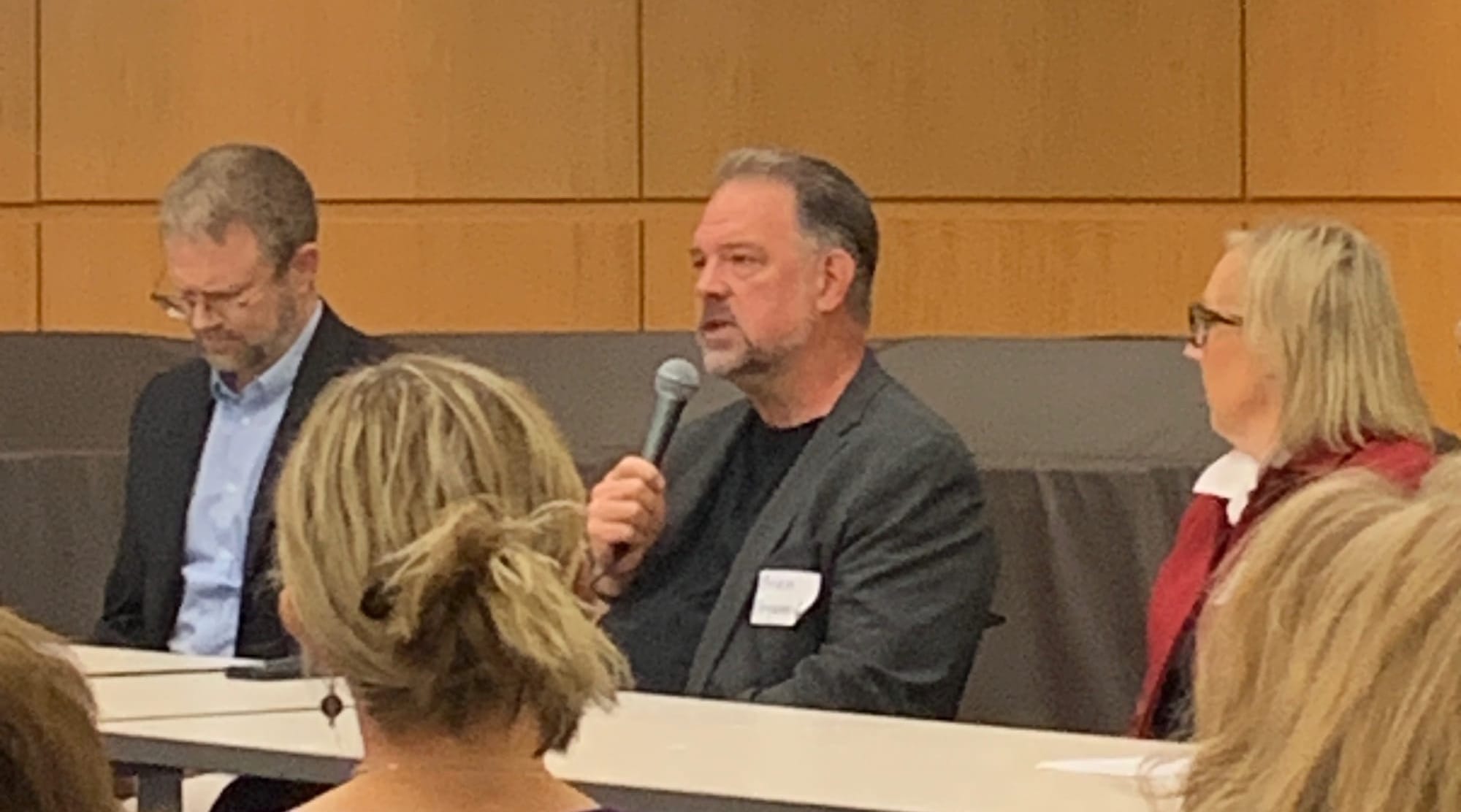
Heywood described his involvement in the initiative process and why he has committed substantial time and resources to advancing the measures.
Panelists discussed the influence of political donors, lobbyists and competing legislative agendas. Normandy Park Mayor Eric Zimmerman encouraged voters to consider who benefits from proposed tax increases, asking, "who stands to gain by those taxes."
Parental Rights, Girls' Sports and Income Tax
Three Let's Go Washington initiatives were discussed, with questions focusing on their potential effects and how voters should interpret the ballot language.
Initiative IL26-001, concerning parental rights, seeks to restore provisions of the parental-rights framework established through Initiative 2081 in 2024 that were subsequently changed by the Legislature in 2025.
Questions focused on parents' access to student records and school-related information, and how the initiative would affect communication and decision-making between families and schools.
At one point, panelists differed in their assessment of what rights parents should be made aware of when it came to LGBTQIA+student issues and misconstrued agendas, but responded with dignity and gratitude for sharing those perspectives.
Initiative IL26-638, concerning girls' sports, addresses eligibility for participation in girls' school athletic competitions.
The discussion examined Washington's approach to school athletic eligibility, federal Title IX requirements, and differing interpretations of fairness and student rights. Questions also addressed claims surrounding the measure that could influence voters' understanding of its effects.
Initiative I-645, concerning Washington's income tax, seeks to repeal the newly enacted individual income tax, commonly called the "millionaires tax," and restrict future state and local individual income taxes.
Questions focused on the potential impact of repealing the tax on government budgets and whether an income tax initially targeting higher earners could eventually be expanded to additional taxpayers.
Panelists also discussed the importance of understanding what a YES or NO vote would mean for each initiative, particularly when ballot measures seek to repeal or restore existing laws.
Highline School Bond Raises Enrollment and Capacity Questions
The discussion shifted to Highline Public Schools' proposed nearly $600 million construction bond, with attendees questioning the district's facility priorities, enrollment projections, and rising costs to property taxpayers.
Residents asked why the district would invest in rebuilding or expanding facilities while enrollment is declining, potentially leaving schools operating at approximately two-thirds capacity.
Some questioned whether consolidating facilities or reconsidering construction plans could reduce expenses while meeting students' educational needs.
Deputy Mayor SueAnn Hohimer, who serves on the district's Capital Facilities Advisory Committee, explained how the committee evaluates school conditions and identifies buildings for repair or replacement.
However, audience concerns about projected enrollment and the amount of school capacity being planned were not fully resolved.
Questions also addressed how residents outside CFAC can meaningfully influence construction priorities, particularly when projects may affect other community uses or district spending.
The bond proposal follows voter approval of a separate school funding measure the previous year, adding to questions about the cumulative financial impact on taxpayers.
Technology Levy Draws Questions About Academic Benefits
Highline's proposed four-year technology levy also drew scrutiny, particularly over whether continued investment in devices, software and digital infrastructure is improving student learning.
During the pandemic, voters approved technology funding to support remote learning, devices and internet connectivity. The new levy would fund ongoing technology needs, including cybersecurity, equipment, software licenses, infrastructure and technical support.
Attendees questioned whether schools should reconsider their reliance on digital learning tools as districts continue addressing academic challenges following the pandemic.
Some raised the possibility of returning to more traditional classroom instruction and materials, while others questioned how the district measures the educational value of technology spending.
Student data privacy and cybersecurity were also among the concerns raised.
A central question was how taxpayers can determine whether technology investments are producing measurable academic improvements rather than simply expanding access to digital devices and services.
Although the discussion provided insight into district planning and funding priorities, questions about school capacity, long-term costs and the educational benefits of technology spending remained unanswered.
Several people stood up to ask questions of the panelists. Attendees reported that they enjoyed the panelists and learned new information.
We are planning our next Highline Good Neighbors Town Hall and would welcome input from our readers for future topics or speakers.
Members Discussion
Highline Journal Comment Guidelines
We believe thoughtful conversation helps communities flourish. We welcome respectful, on-topic comments that engage ideas, not individuals. Personal attacks, harassment, hateful comments, directed profanity, false claims, spam, or sharing private information aren't allowed. Comments aren't edited and may be removed if they violate these guidelines.