Elections
Highline voters will decide Nov. 3 whether to approve a four-year, $48 million capital technology levy.
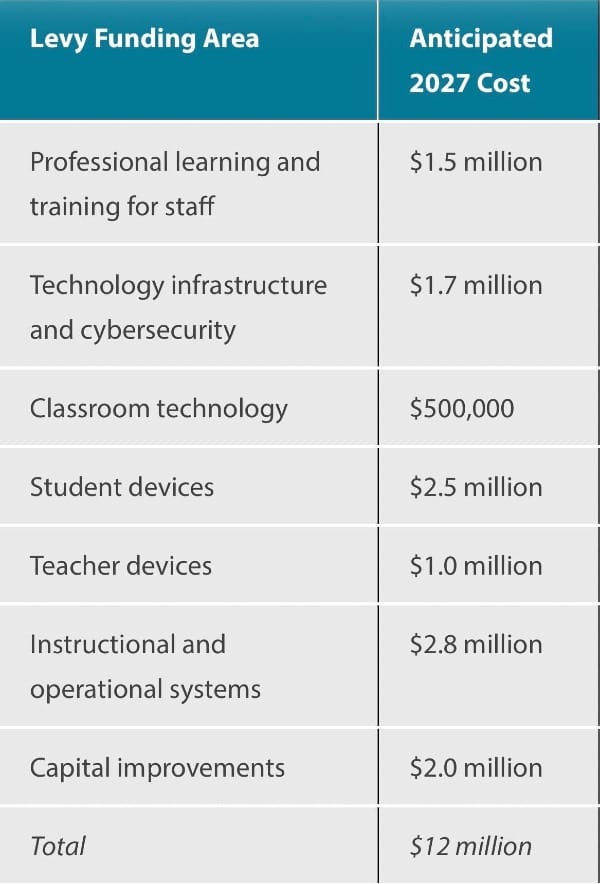
The levy would collect $12 million annually from 2027 through 2030 for cybersecurity, networks, devices, software, technology support, training, and eligible capital improvements.
The levy is separate from Highline’s $595.4 million construction bond.
What Does Your Vote Mean?
YES: Approves the $48 million levy and authorizes Highline to collect $12 million annually for four years.
NO: Rejects the $48 million levy. Highline would not collect the additional $12 million annually through this measure.
The levy requires a simple majority of 50% to pass.
Highline voters last approved a dedicated technology levy in 2020, during the shift to remote learning. The two-year levy has expired. Highline describes Proposition 2 as “resuming” local technology funding.
Here are four questions at the center of the debate:
1. With student achievement continues to fall, how will another $48 million in technology help students learn?
SUPPORTERS SAY
Technology is basic school infrastructure. Yes For Highline says reliable devices, software and networks support teachers, reduce disruptions and prepare students to use technology safely and responsibly.
The levy also funds cybersecurity and operational systems that aren’t directly related to student screen time.
OPPOSITION SAYS
Better Plan For Highline question additional spending on devices and digital instruction while Highline continues to struggle academically.
They want evidence that the district’s technology investments are improving reading and math.
Many districts around the nation are putting the breaks on digital reliance for learning, as studies have not proven that they are helping students, in fact, many have cautioned that they are contributing to the falling rates.
WHAT WE FOUND
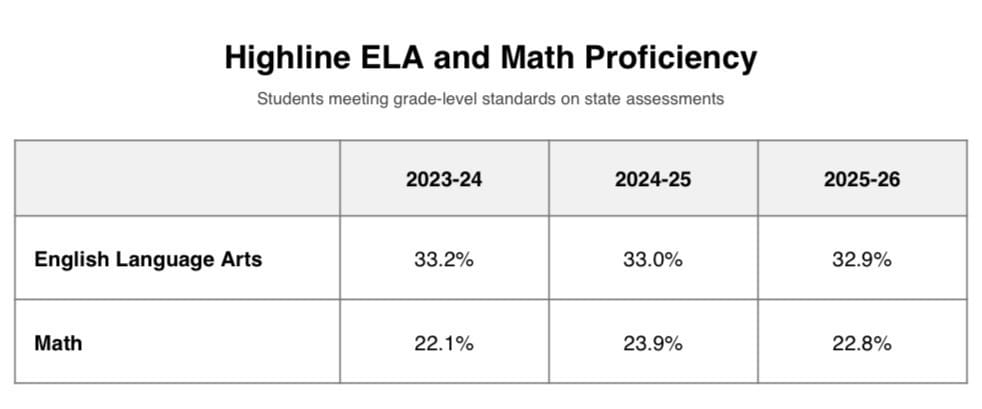
Highline’s latest results show continued declines:
Superintendent Ivan Duran’s recent presentation at the Seattle Southside Chamber of Commerce State of Highline Address on Oct. 1st acknowledged: “We must do better.”
The scores show Highline’s academic challenge, but they do not establish that technology is the sole cause.
2. As schools reconsider screen time, should Highline continue investing in student devices and digital learning?
SUPPORTERS SAY
Yes For Highline says the levy is “not more screen time.”
Supporters say technology is one tool used by teachers and that students need access to devices, instructional software and digital skills.
OPPOSITION SAYS
Better Plan For Highline questions 1:1 devices for younger students and say Highline lacks consistent districtwide policies governing screen time, cellphone use and how student devices are used in classrooms.
They argue the district should establish clearer boundaries around technology use before asking voters for another four years of technology funding.
In May, Highline’s School Board renewed i-Ready in a split 3–1–1 vote following concerns about effectiveness and student-data privacy.
WHAT WE FOUND
Some school systems are reconsidering student technology use.
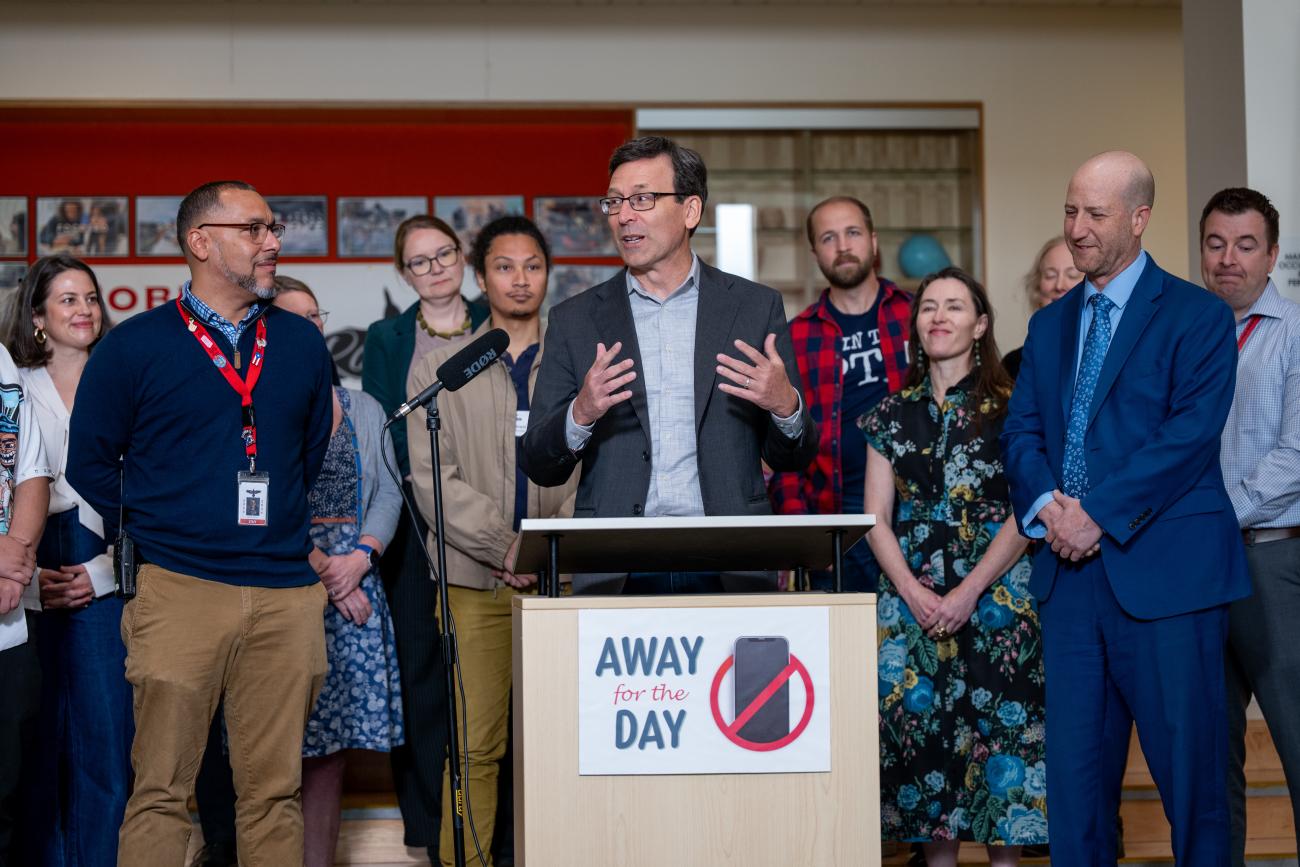
Seattle is moving K–2 students from individual iPads to shared devices and generally limiting technology to 0–30 minutes daily. Washington is also moving toward tighter restrictions on student cellphones.
Cellphones and school-issued devices aren’t the same. But both are part of a broader debate over when screens help learning.
Governor Ferguson announces key legislative priority to ban cellphones in schools statewide | Governor Bob Ferguson

3. If voters funded technology and cybersecurity before, why is another levy needed?
SUPPORTERS SAY
Yes for Highline says the levy restores expired funding. Devices need replacement, software licenses recur and cybersecurity threats continue to change.
They point to Highline’s 2024 ransomware attack, which disrupted schools and exposed personal information, as evidence that cybersecurity requires continued investment.
OPPOSITION SAYS
Opponents say the 2020 technology levy also funded cybersecurity.
They want to know what taxpayers purchased then, what changed after the ransomware attack, and what additional protection the new levy would buy.
WHAT WE FOUND
Voters approved a two-year technology levy in 2020 that included cybersecurity, devices and other technology.
That dedicated levy expired. Highline has continued paying technology expenses through other funding sources. Proposition 2 would establish a new $12 million-per-year funding source for four years, and could likely continue every four years.
4. Where will the $12 million a year go?
SUPPORTERS SAY
Supporters say the levy isn’t simply for laptops. It pays for cybersecurity, networks, software, technical support, classroom technology and systems used throughout the district.
OPPOSITION SAYS
Opponents question how broadly the money can be spent, and why does this not come out of the general budget?
The measure is an Educational Technology and Capital Improvements Levy, allowing money to be used for technology and eligible building and site improvements.
WHAT WE FOUND
Highline’s anticipated 2027 spending is:
What happens if the levy fails?
If the levy does not receive a simple majority, Highline would not collect the proposed $48 million.
The district would still have technology and cybersecurity expenses and would have to determine what can be paid from other funding, reduced or delayed.
A NO vote does not eliminate technology in Highline schools. It rejects this four-year, $48 million levy.
Read More About Highline's Levy Here:
2026 Bond & Tech Levy | Yes for Highline
Highline Public Schools — Technology Levy
Frequently Asked Questions - Highline Public Schools
Frequently Asked Questions - Highline Public Schools

King County Voter Guide 2026 General Election Levy Information
Highline School District Proposition No. 2
Educational Technology and Capital Improvements Levy
King County Elections
Led by Director Julie Wise, King County Elections conducts accurate, secure, and accessible elections for King County’s over 1.4 million registered voters.


This is part of The Highline Journal’s ballot measure series, examining the measures voters will see on the November ballot, what supporters and opponents say, and what the measures would actually do.
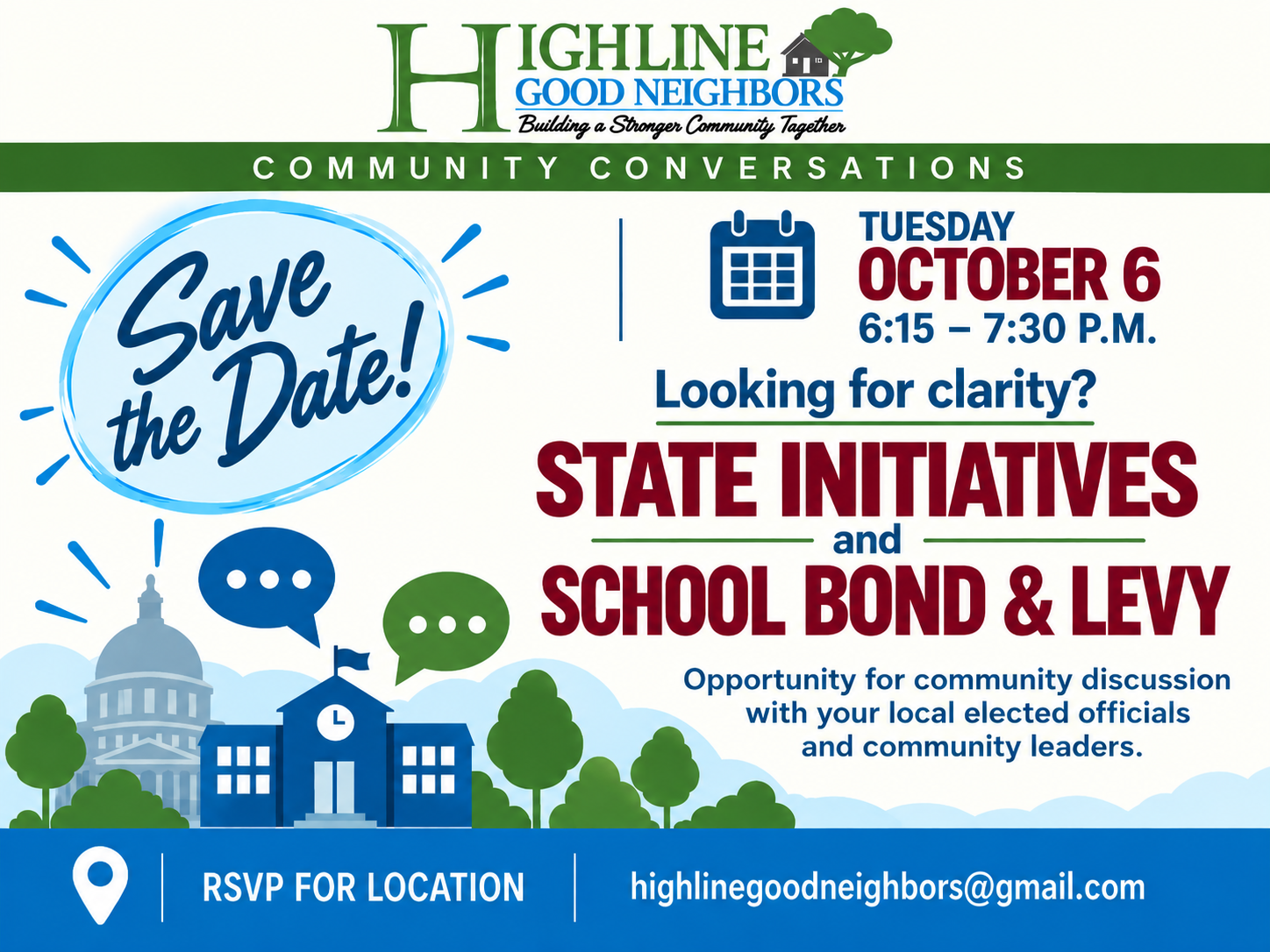
LOOKING FOR CLARITY? SAVE THE DATE
Community Conversations: Ballot Issues
Tuesday, October 6 | 6:15–7:30 p.m.
RSVP for location: highlinegoodneighbors@gmail.com
Members Discussion
Highline Journal Comment Guidelines
We believe thoughtful conversation helps communities flourish. We welcome respectful, on-topic comments that engage ideas, not individuals. Personal attacks, harassment, hateful comments, directed profanity, false claims, spam, or sharing private information aren't allowed. Comments aren't edited and may be removed if they violate these guidelines.