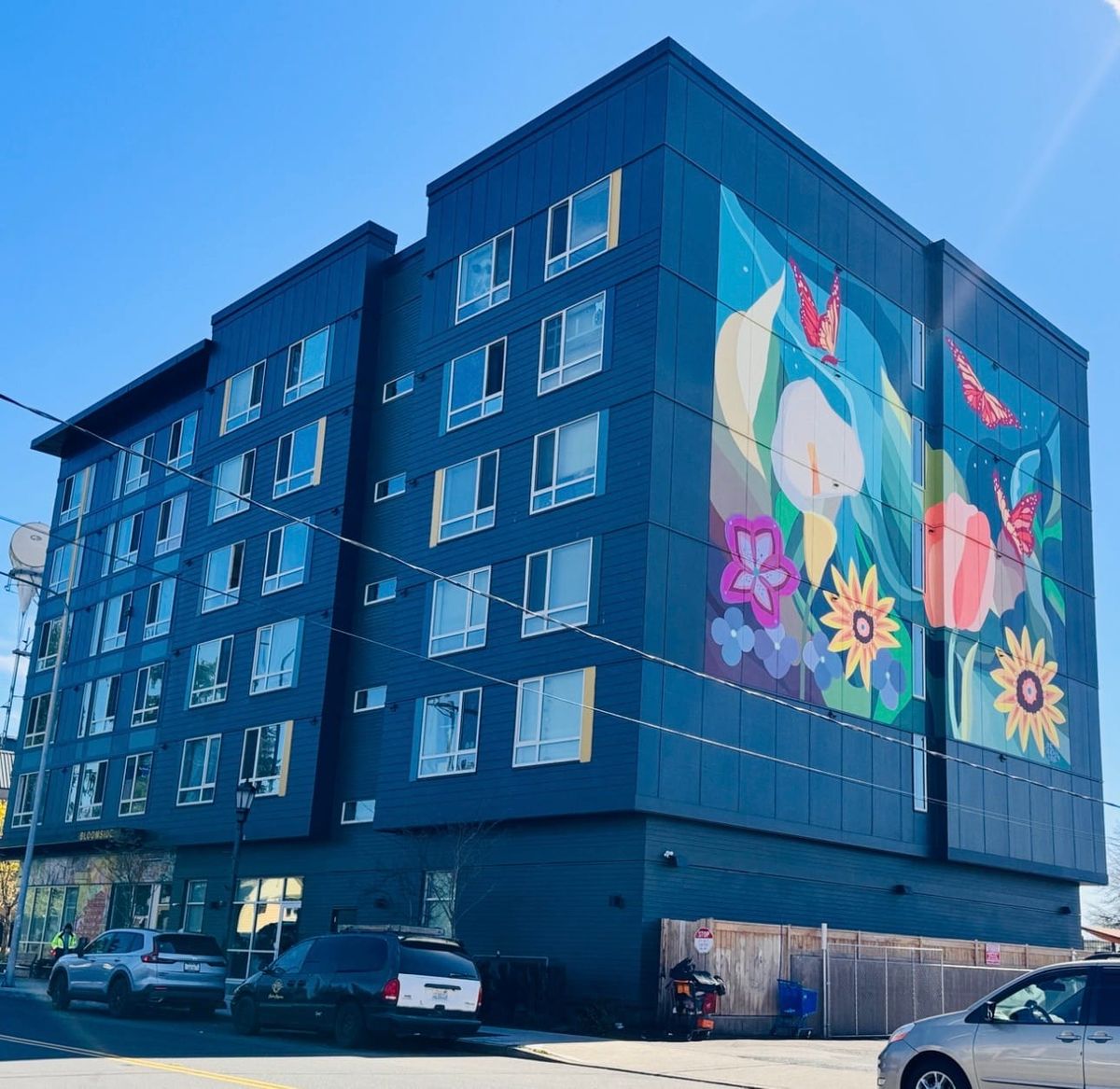
Editor's Note: The Highline Journal is republishing the following guest editorial by Kristine Moreland, founder of The More We Love, with her permission. It originally appeared on her public Facebook page July 18, 2026 and is presented here without edits. For reference, "Bloomside" is Burien's DESC (Downtown Emergency Shelter Center) building.


We need to change the way we are approaching this crisis.

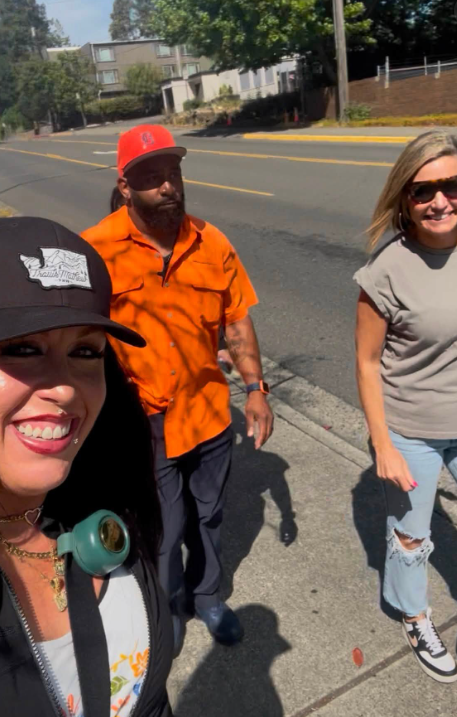
Yesterday, my team and I spent several hours doing outreach around Bloomside in downtown Burien. I want to begin by saying this clearly: I believe people deserve housing. There are many individuals living in permanent supportive housing who simply need a safe, stable place to live, and they deserve exactly that. This isn't a criticism of housing itself. It is an honest reflection on what my team and I witnessed today and what we have continued to witness around some of these housing models throughout our region.

When Bloomside opened a few years ago, it was intended to provide permanent supportive housing for individuals experiencing chronic homelessness, serious mental illness, substance use disorders, and other complex challenges. The goal was to create stability for people with some of the highest needs in our community.

After spending just a few hours around the building today, I couldn't help but ask myself whether, for many of the people we encountered, we are truly accomplishing that.

We spoke with residents who told us they desperately want to leave. They described living surrounded by fentanyl use, unmanaged mental illness, and an environment that no longer feels safe. One gentleman living with severe mental illness shared that he spends more time outside in the community than inside his apartment because he no longer feels safe there.

I also know of a young woman who moved into Bloomside already battling fentanyl addiction. She desperately needed intensive intervention, recovery support, and people willing to walk alongside her. Instead, her addiction continued to tighten its grip. Within months, she lost one leg. Then she lost the other. Eventually, fentanyl took her life.

Today we met another young woman from the building who now uses a wheelchair. She wasn't in one when she moved in. She told us she is about to lose her foot.

How many overdose deaths have come from just this one building? How many 911 calls?

This is what fentanyl does. It is a slow, devastating death. It is not a drug that can simply be sustained or managed. When people are losing limbs before they lose their lives, we have a responsibility to intervene. If addiction has progressed to that point, I don't believe we can continue calling it managed addiction. I would want someone to intervene for me. I would want someone to intervene for the people I love.

Outside the building we witnessed people openly smoking fentanyl, individuals slumped over on the sidewalks, women sleeping in their cars, and people approaching us asking if we had a gram because they associated that area with drug activity. We watched a young woman, appearing to experience severe psychosis, wandering barefoot in the middle of the street for hours. We were told she was living in another nearby supportive housing community. If that is true, I found myself asking why someone experiencing such an obvious mental health crisis was wandering alone without intervention. We also watched elderly residents simply trying to enter and leave their homes while navigating this environment. We saw vulnerable women. We saw profound human suffering.

I have tremendous respect for the people working inside these organizations. I believe they show up every day with compassion, dedication, and good intentions, often carrying impossible caseloads. This is not about blaming the people doing the work. It is about asking whether the model itself is meeting the needs of the people living inside it.

We often hear that people should be allowed to make their own choices, and I agree that every person deserves dignity and autonomy. But when addiction reaches the point that people are losing limbs, when severe mental illness leaves someone wandering barefoot through traffic, and when fentanyl continues to steal lives right in front of us, we have to ask ourselves whether standing back is truly compassion.

This isn't about taking anything away from people. It's about offering more: more intensive case management, more behavioral health support, more recovery resources, and more intervention before another limb is lost or another life is taken by fentanyl.

I don't have every answer. But I know what my team and I witnessed today was human suffering. I also know we cannot continue measuring success solely by whether someone has a key to an apartment while their addiction, mental health, and physical well-being continue to deteriorate.

One question…

What if, rather than continuing to invest almost exclusively in these models, we also made a significant public investment in recovery housing?

Today, recovery housing is sustained largely through nonprofit organizations, private philanthropy, faith communities, and local partnerships. What if we also created publicly funded recovery housing for those asking for a pathway out? Communities where housing, intensive case management, behavioral health care, accountability, peer support, and recovery exist together.

At The More We Love, we are intentionally a recovery-based organization because we believe healing is possible. We also know recovery housing is not the answer for everyone. Many people simply need stable housing and supportive services to thrive. But for those living in the relentless grip of fentanyl addiction and severe mental illness, we cannot stop building places that offer more than survival.

It doesn’t have to be this way.

Be Someone's Constant. 

www.themorewelove.org

About the Author

Kristine Moreland is the founder and executive director of The More We Love, a Burien-based nonprofit organization focused on outreach, recovery, and support for individuals experiencing homelessness, addiction, and other life challenges.

The More We Love team visits Bloomside DESC in Burien. Photo courtesy of Founder Kristine Moreland.

[NOTE FROM EDITOR:  If you wish to submit a story, photo, article or letter, please email us at info@thehighlinejournal.com  Even if you wish to remain anonymous, please include your name and phone number so we may contact you privately. We look forward to hearing from you.]

Share this article
The link has been copied!