Education
No paraeducator, teacher, or child should be expected to absorb repeated bites or hits as the price of inclusion.
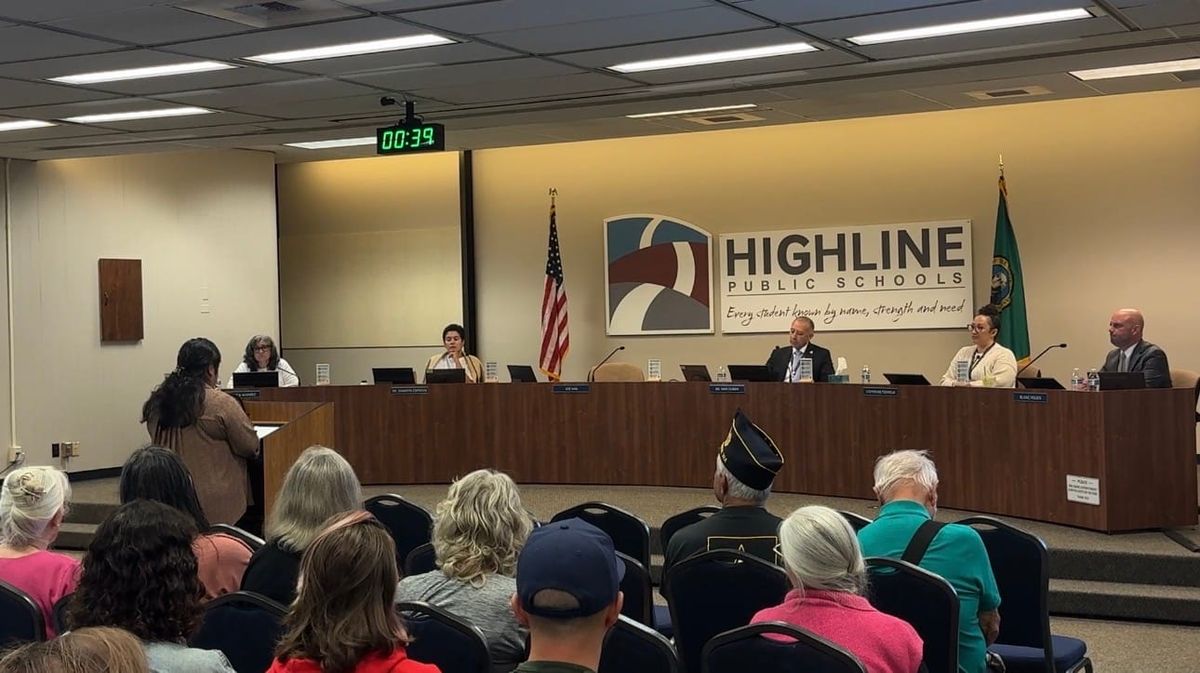
Four Hazel Valley Elementary School parents, plus a special education teacher at the school, used the public-comment period at the Sept. 16 Highline School Board meeting to ask for help with the school’s special education inclusion model.
They raised concerns about safety, staffing, and whether the school has enough support for students with significant needs.
One mother, Alma Escobar, said her 5-year-old nonverbal daughter was bitten by another student that day. She said the same student had bitten her daughter twice last year, and that after she advocated for additional support, a one-on-one paraeducator was assigned to that student. This year, she said, that support is no longer in place.
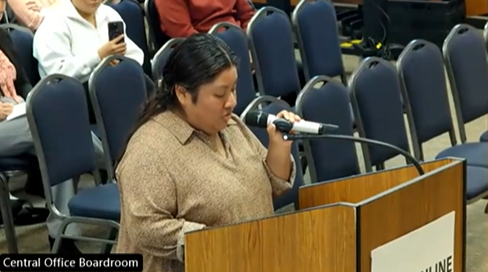
“Yesterday, I told my principal and vice principal, I feel like I’m sitting at home waiting to be notified that my daughter got bitten,” she told the board. “Today, I received that notification.”
That example put a difficult issue before the board. A child whose behavior includes biting may need specialized support, not blame or exclusion. But classmates, teachers, and paraeducators also need a classroom that is safe and workable.
The mother herself made that distinction clear: “I’m not here to blame a child. That child deserves support, too.”
Parents told the board that Hazel Valley needs more help to meet those needs.
Hazel Valley is among the elementary schools using Highline’s Inclusive Staffing Model. The model is part of the district’s larger effort to provide more inclusive special education services. The new teacher contract recognizes that some students with IEPs need increased adult support, including those with significant adaptive, medical or behavioral needs. It describes paraeducators as critical to student success.
The district has committed substantial money to the work. The agreement says Highline invested about $10 million in inclusive practices during the past two years and anticipates spending at least $3 million more in each of the next two years.
The question is not whether the district needs to adopt an inclusion policy. It has. The question is whether Highline can protect students and show the public how that policy is performing at a school where parents say students and staff need more support.
Is the Inclusion Model Working?
The Highline Journal asked the district how it measures success at Hazel Valley.
We asked when the school entered the inclusion cohort; how much the district has spent there, and what that spending covered; what staffing is in place now; and what outcomes are being tracked, including academic outcomes for students receiving special education services.
The district had not responded by the time of publishing.
The new HEA teacher contract was approved 4-0-1 Wednesday, with Director Blaine Holien abstaining because his wife is a district teacher. It requires inclusion staffing to be reviewed at least three times a year, but does not spell out Hazel Valley’s current staffing or whether it is enough to meet student needs.
The board also approved a three-year agreement with Teamsters Local 763, which represents paraeducators and other classified support staff. It requires classroom needs to be reviewed to determine the proper level of paraeducator support and gives employees a path to raise workload concerns. It does not set staffing levels at Hazel Valley.
The concerns also drew a response from Board Director Dr. Damarys Espinoza, who asked for more information and called for a board work session on inclusion. She said the issue has come up repeatedly and asked that the board hear from families, educators and district staff about what is working, what challenges remain and what still needs to be done.
More than just a Hazel Valley issue
The biting concern is not limited to Hazel Valley. The Highline Journal has spoken with multiple paraeducators in the area who describe being bitten or hit at work and who question what support is available after an incident. These are not minor workplace annoyances. Repeated physical aggression is a staff-safety issue, and it can put other children at risk as well.
Students whose disabilities or unmet needs lead to physical behavior need skilled, timely support. But no paraeducator, teacher, or child should be expected to absorb repeated bites or hits as the price of inclusion.
If Highline’s model is to work, it must provide enough trained adults and a clear response when behavior becomes unsafe.
Full Highline School Board Video of Sept 16, 2026 Meeting
Members Discussion
Highline Journal Comment Guidelines
We believe thoughtful conversation helps communities flourish. We welcome respectful, on-topic comments that engage ideas, not individuals. Personal attacks, harassment, hateful comments, directed profanity, false claims, spam, or sharing private information aren't allowed. Comments aren't edited and may be removed if they violate these guidelines.