Education
.
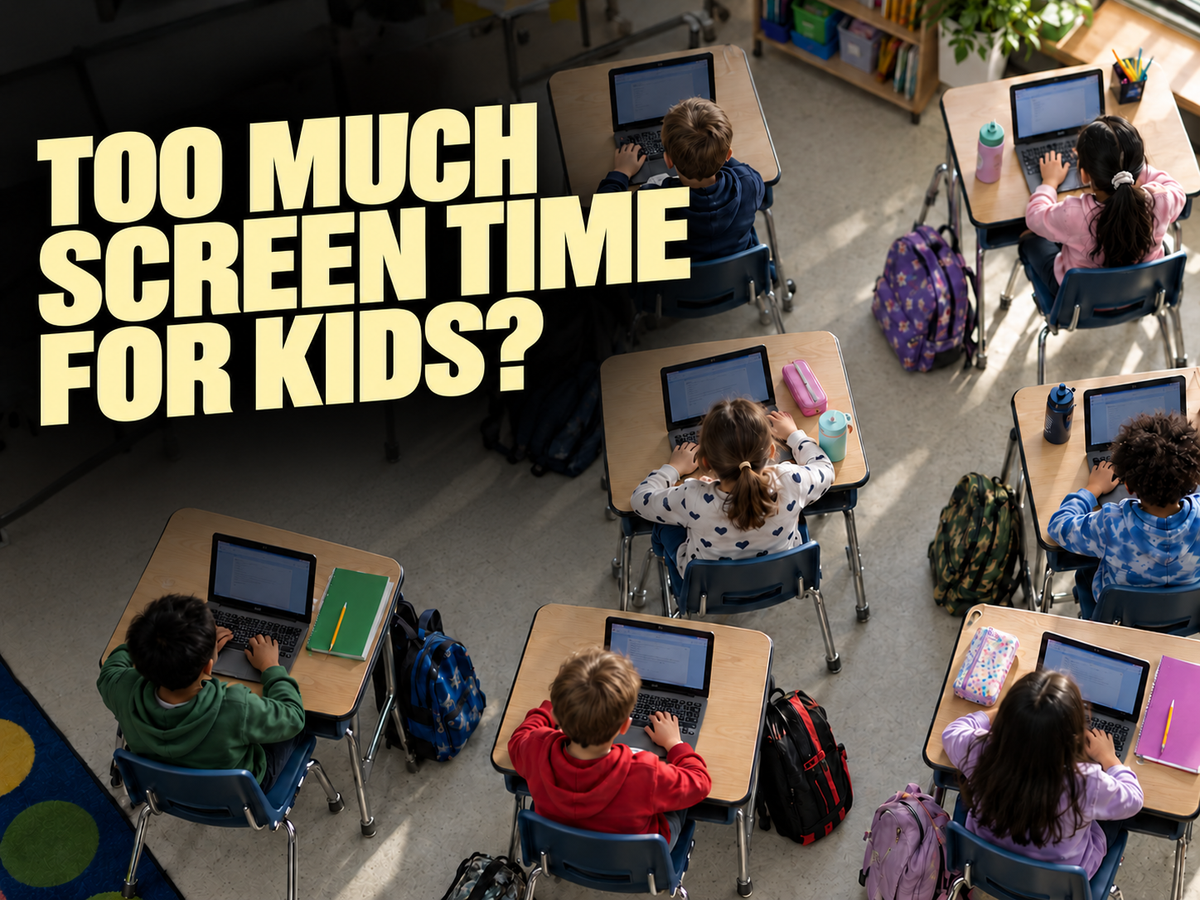
“Children spend hours on screens at school, often without meaningful parental choice.”
That statement from Children’s Health Defense (CHD) introduces a national push for classroom technology safeguards, with potential implications for Highline Public Schools and local families.
According to CHD’s alert, the Federal Communications Commission is reviewing its E-Rate program, which helps eligible schools and libraries pay for internet connectivity. The group is urging families to request age-appropriate screen limits, meaningful parental opt-out options, transparent policies and non-digital alternatives.
Highline’s connection
Highline was approved for $12.55 million in federal E-Rate funding for internet connectivity and network infrastructure during funding years 2017–2026. Of that amount, $10.47 million has been disbursed, according to USAC’s official funding records.
That funding supports connectivity and infrastructure. It does not tell families how much classroom screen time students receive or whether particular uses improve learning.
What are the concerns?
Children’s Health Defense states in its alert:
“Research shows serious risks about excessive screen time, including issues with sleep, developmental, attention disorders, emotional withdrawal, mental health, and cardiometabolic risks. Parents and teachers deserve a voice in the decisions shaping our children’s classrooms.”
The U.S. Surgeon General’s advisory warns: “Screen use may be harmful when a child loses control over use.”
It identifies warning signs including emotional withdrawal without screens, neglected responsibilities and continued use despite negative consequences. The advisory addresses harmful screen use broadly; it does not establish that all classroom technology use is harmful.
Take action at the federal level
If you have concerns, use CHD’s action link to contact the FCC. The alert asks for action by November 12.
Share specific experiences with school screen use and its effects on learning or well-being. Ask for clear policies, meaningful parental choice, and effective alternatives to unnecessary screen-based instruction.
Speak up locally, too
Contact Highline Public Schools to learn more about classroom technology and your family’s options. Start with your child’s teachers, raise policy questions with district leaders or address the school board during public comment at board meetings.
Questions worth asking include:
- How much classroom time requires a screen?
- What learning purpose does it serve?
- How does the district measure whether it works?
- Can students complete comparable assignments without a device?
- What happens when a parent requests less screen time?
Parents and teachers can help shape this discussion by explaining what works, what creates problems and where students need alternatives.
RELATED:
Why Wait? Highline Students Deserve Smartphone-Free Schools Now
Readers can engage by signing the letter, contacting lawmakers, completing the survey, and encouraging thoughtful, consistent districtwide phone policies.
 Guest Writer

Parents Weigh in on School Tech Use; Highline Responds to Questions
As technology and AI increase in the classroom, what do parents think? What does Highline District say?
 Stuart Jenner

Highline’s $48 Million Technology Levy: Four Questions at the Center of the Debate
Is another $48 million for technology the answer? Highline voters face questions about screens, cybersecurity, student achievement, and spending priorities.
 Katie Kresly

Members Discussion
Highline Journal Comment Guidelines
We believe thoughtful conversation helps communities flourish. We welcome respectful, on-topic comments that engage ideas, not individuals. Personal attacks, harassment, hateful comments, directed profanity, false claims, spam, or sharing private information aren't allowed. Comments aren't edited and may be removed if they violate these guidelines.