Port of Seattle
The Highline Water District (HWD) submitted a letter to the Port of Seattle with questions and concerns for the Draft Environmental Impact Statement (DEIS). The district provides drinking water to about 80,000 people using a combination of Seattle’s regional water system and local wells near areas where airport projects are planned.
One water source already lost
The concern is shaped by recent history.
The Tyee Well, near South 200th Street and the Des Moines Creek Trail, was taken out of service in 2022 because of PFAS contamination from the airport. The Port compensated HWD for the loss of the well in this agreement, which is available at Seatac Noise Info website. Seattle Public Utilities has stated it can cover the loss of the Tyee water. The well supplied about 5% of the district’s annual water. Several of the Port’s proposed projects are in areas close to water supplies and close to contaminated PFAS sites.
PFAS (per- and polyfluoroalkyl substances) is a chemical compound used to fight fires. For many years, PFAS was considered safe, but recent research, as summarized on a PFAS web page from the US Environmental Protection Agency, shows major risks and harms. It is linked to several types of cancer, never breaks down, and is impossible to remove from water once the water has been contaminated.
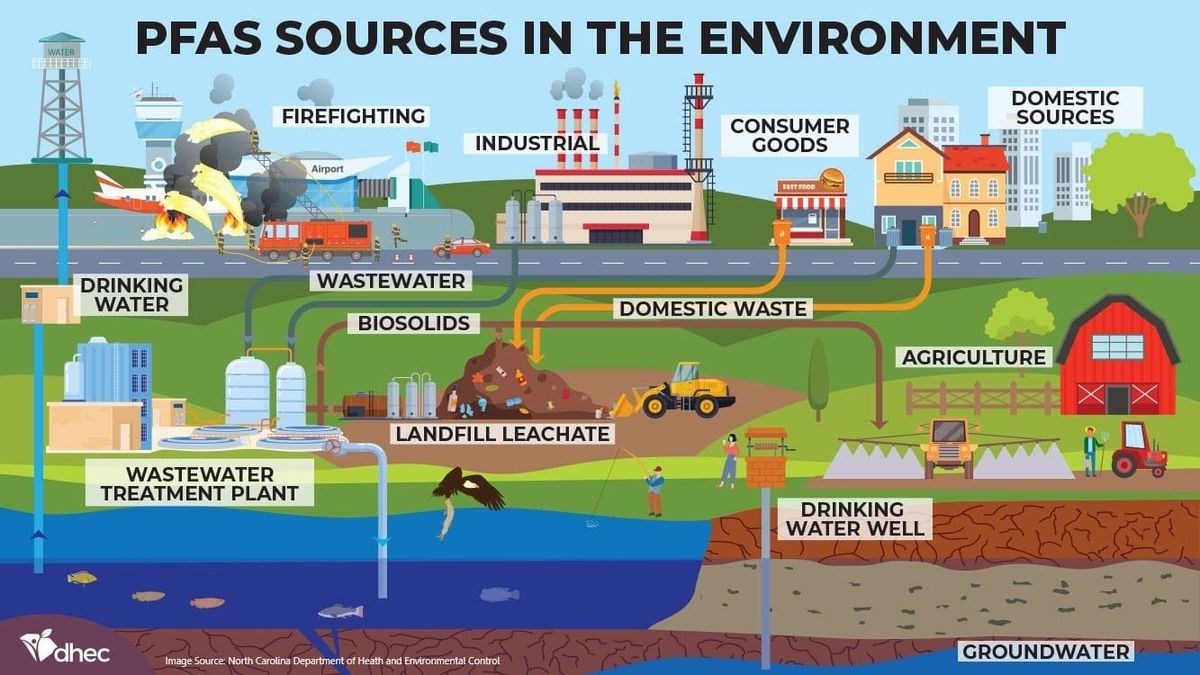
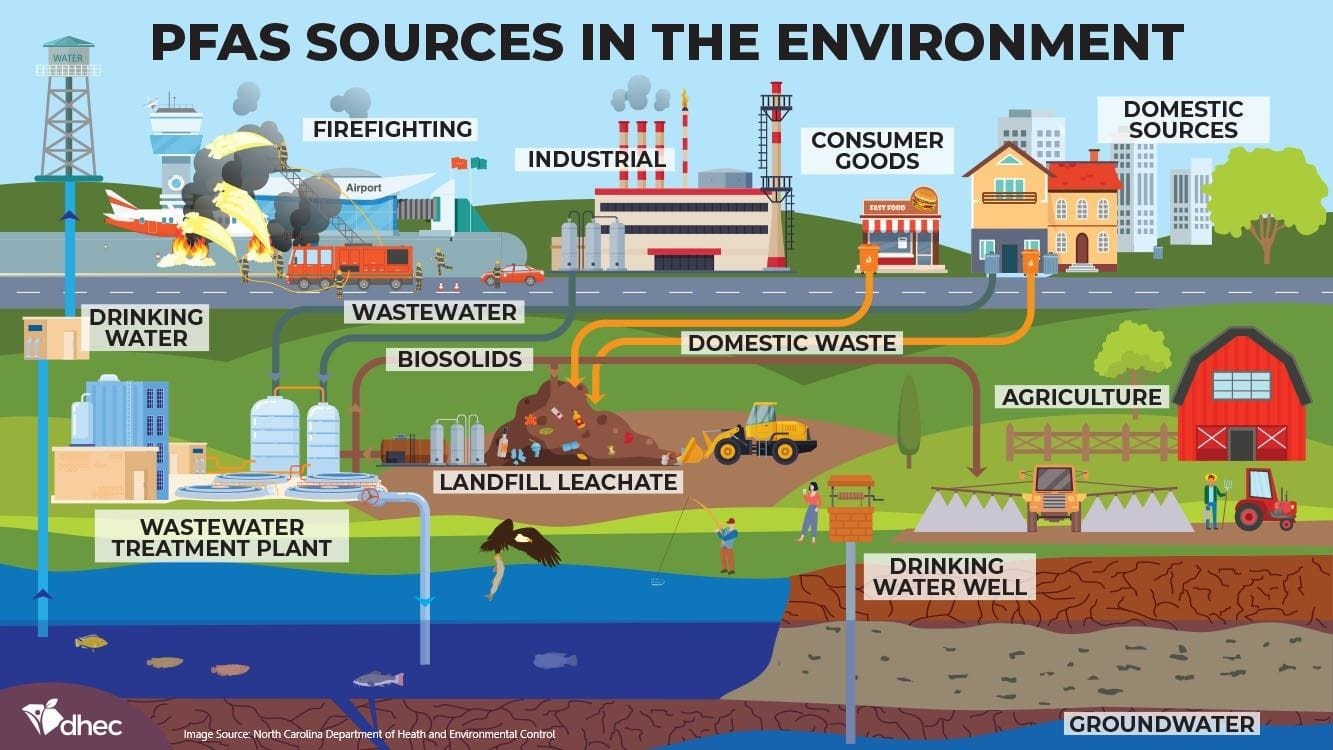
HWD has an info page that includes this graphic:
What about the remaining wells?
With additional airport projects planned, the water district wants stronger analysis of potential impacts and clearer protections for its remaining wells and water sources.
The two page letter is focused on Project No. S01, Fuel Farm Expansion, in the southeast portion of the airport.
The full letter is available here.
There are three key points:
- HWD wells are located near or under many of the sites of the proposed projects.
- There is pollution from PFAS (firefighting foam) at some of the project locations.
- The airport needs to do a much deeper analysis of the impacts their projects could have on the water supply. One concern in particular is more contamination of wells from PFAS.
The letter has some positive comments about plans the Port has for the area. However, these positive comments are accompanied by specific concerns:
The District appreciates the measures in the DEIS and its technical reports. The Hazardous Materials technical report (Appendix F) acknowledges documented AFFF release and storage sites within the S01 area, commits to additional PFAS sampling and to remediation if action levels are exceeded, and states that the Port would work with the Department of Ecology and the District to monitor PFAS in drinking water. The District welcomes this commitment and asks that it be carried forward and made concrete.
These commitments, however, reside largely in the technical appendices and are not reflected in the EIS impact analysis or the mitigation summary. The DEIS itself addresses PFAS only briefly and defers to standard soil-handling specifications and to regulations in place at the time of construction, even though enforceable standards now exist, including the federal drinking water Maximum Contaminant Levels for PFOA and PFOS and Washington’s State Action Levels.
The groundwater fate and transport analysis in the Water Resources appendix also predates PFAS and does not evaluate it. The District believes these gaps warrant further analysis and firmer commitments before the review is finalized.
The site for S01 is shown on this slide from the SAMP EIS Powerpoint presentation.
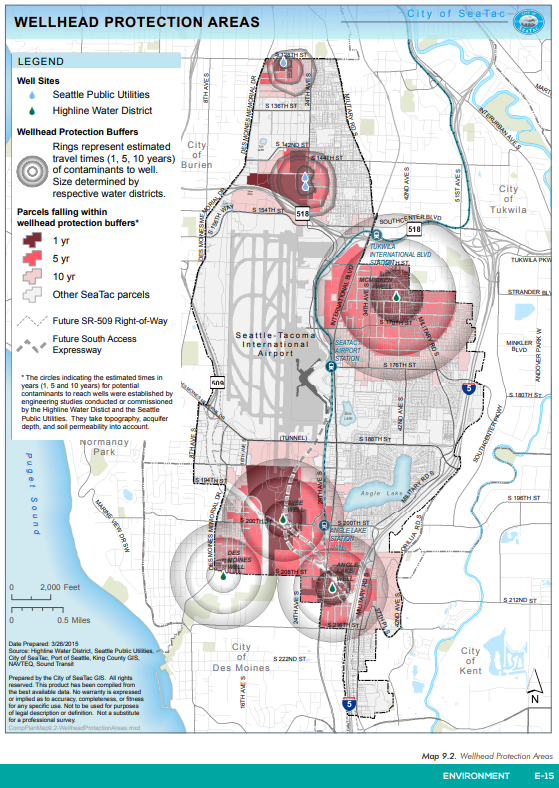
The following map shows the locations of various Highline Water District wells and well protection areas.
We will keep you posted as we learn more.
RELATED:
Three Cities Say Port Downplays Noise, Air Pollution and Traffic from Airport Expansion
Cities of Burien, SeaTac and Des Moines submitted a 187-page response calling for better science, fuller disclosure and lasting protections for surrounding communities.
 Stuart Jenner
Highline Says Port Must Deliver. Port Says Mitigation Money Is Waiting.
The Port says remaining school sound-insulation funding is available. Now it’s Highline’s move.
 Katie Kresly
Members Discussion
Highline Journal Comment Guidelines
We believe thoughtful conversation helps communities flourish. We welcome respectful, on-topic comments that engage ideas, not individuals. Personal attacks, harassment, hateful comments, directed profanity, false claims, spam, or sharing private information aren't allowed. Comments aren't edited and may be removed if they violate these guidelines.