Local
[This article is part of The Highline Journal’s America at 250: Northwest Stories.]
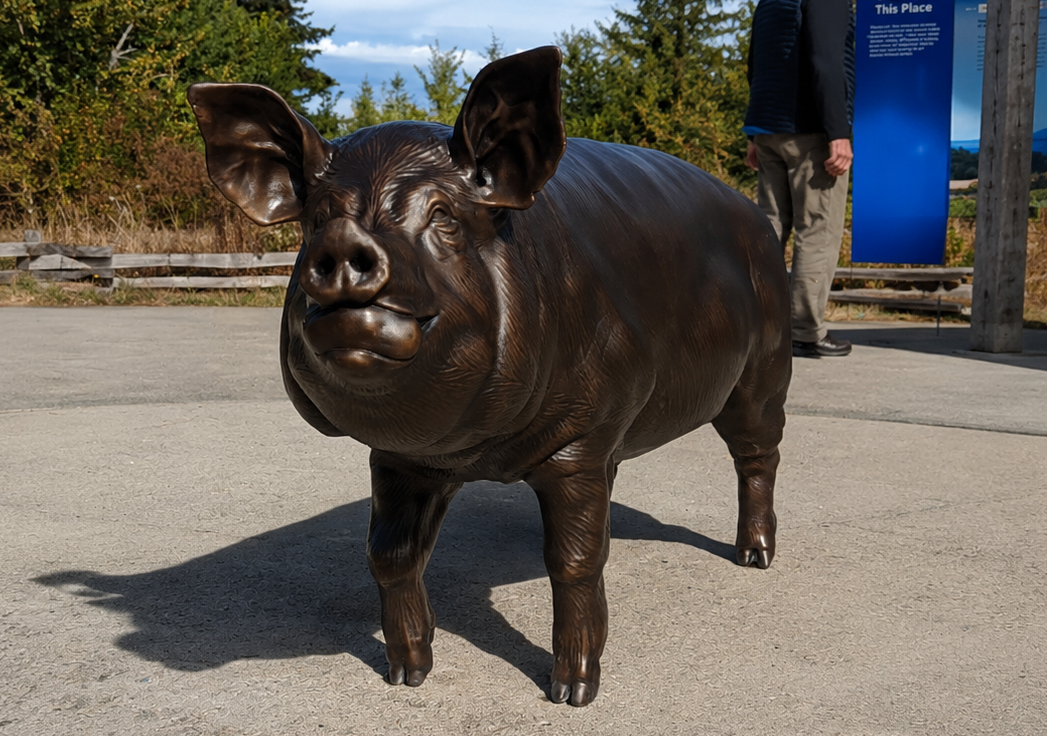
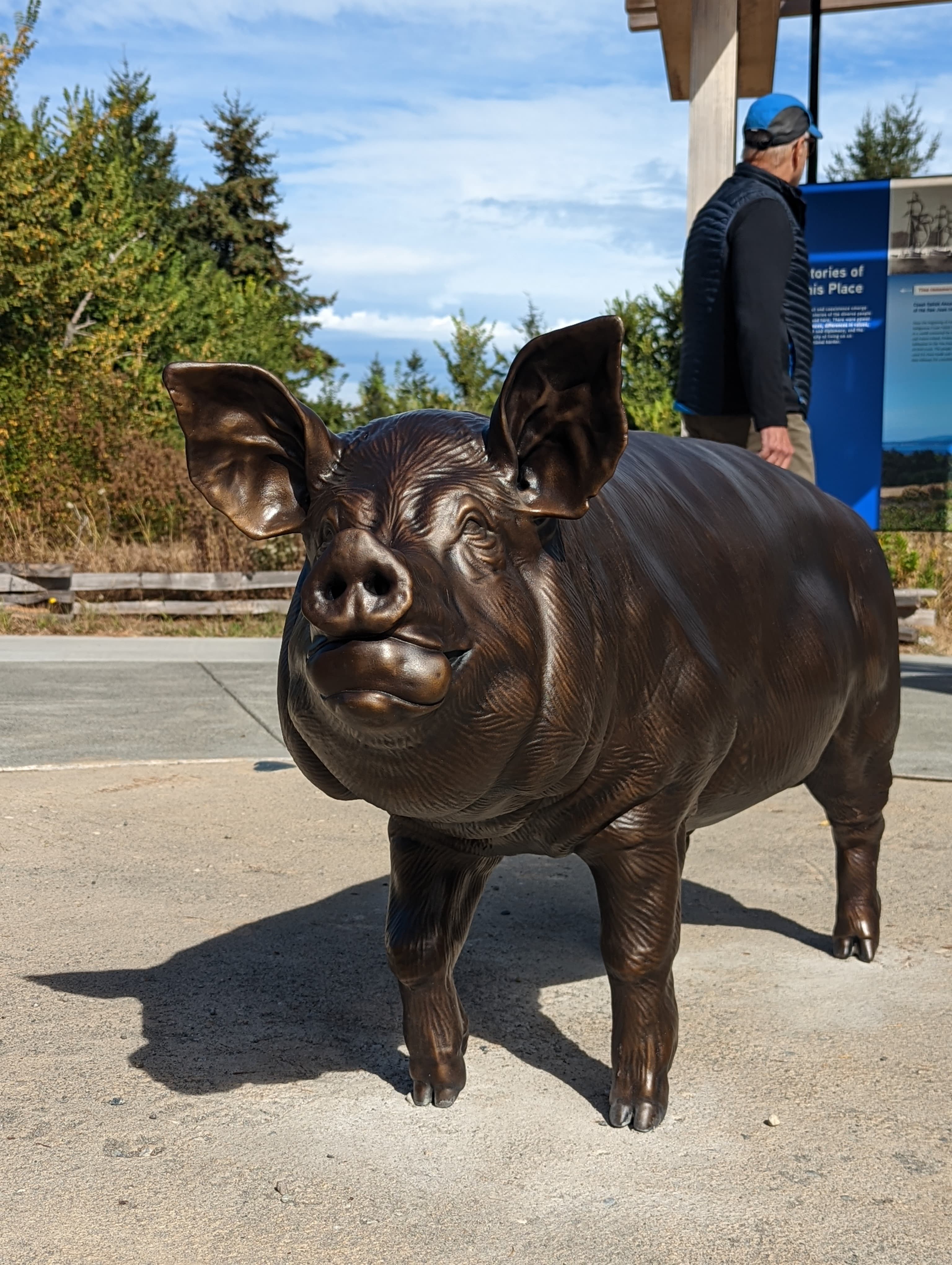
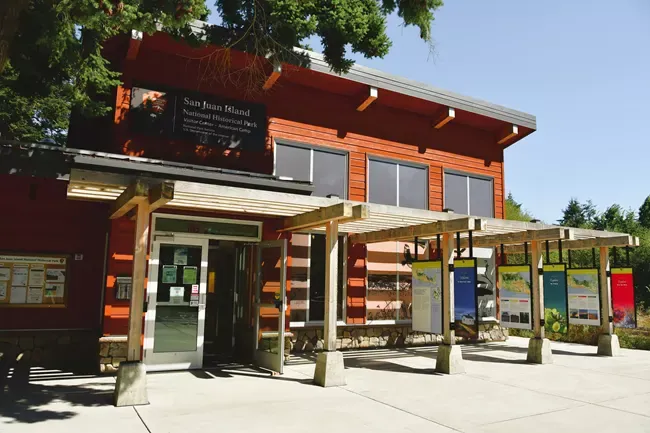
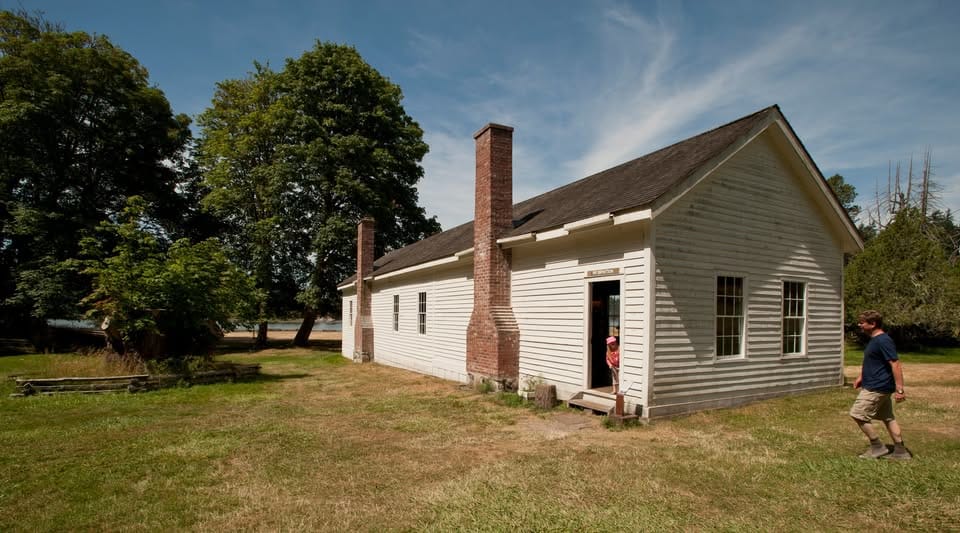
The San Juan Island National Historical Park, resting in the scenic beauty of Friday Harbor, is packed with fascinating history and old preserved buildings. This national landmark, also known as the American and English Camps, recalls a unique period in history when both the Americans and British militaries simultaneously occupied San Juan Island because both countries claimed rights to the land. The island is also the setting of the famous “Pig War,” where visitors learn how a minor incident involving the shooting of a pig became the catalyst for international conflict.
Location: San Juan Island - Drive 1 ½ hours northwest from Seattle to Anacortes. Then take a ferry approx 1 hour from Anacortes to Friday Harbor (reservations recommended)
The British and American settlements were not always military camps.
In the 1840’s, Americans were migrating to the Pacific Northwest in great numbers, and there arose territorial disputes between these settlers arriving and the British. These land boundary disputes were largely settled through the Oregon Treaty in 1846, which established the Northwest Border between the United States and the British Colony of Canada. Unfortunately, it was not clear in the treaty who owned the San Juan Islands. It took time to determine who owned the island.
In the mean-time both Americans and the British settled on San Juan Island in the 1850’s. The British Hudson’s Bay Company was based on the northern part of the Island while American homesteaders resided on the southern tip of the island.
While there were tensions over the land, the real conflict arose after an American homesteader shot a pig rifling through his garden. Unfortunately… the pig belonged to an employee connected with the British Hudson Bay Company. This set off a chain reaction.
The farmer who shot the pig was threatened with arrest, and so he requested the American Army to protect him. The American Army set up camp on the southern tip of the island. Having the American army on the island close by provoked the British to send their Royal Navy. The English then eventually set up camp on the island, and then you had the stage set for war. The two camps remained in a stand-off for 12 years while the land disputes were worked out.
While it was bloodless, it had the potential to develop into violent conflict with the two opposing armies settled just 13 miles apart. Thankfully, it never escalated into violent war, but it remains a good reminder of the value of cool heads and diplomacy. There is so much more to learn about the details and the key people involved in the “Pig War.”
San Juan Island NHP American Camp Visitor Center Installs Public Art and Announces Winter Hours - San Juan Island National Historical Park (U.S. National Park Service)

Want to learn more?
Visitors today are able to visit both the American and English Camp. There are hikes of various lengths and difficulties around, and opportunities for guided tours.
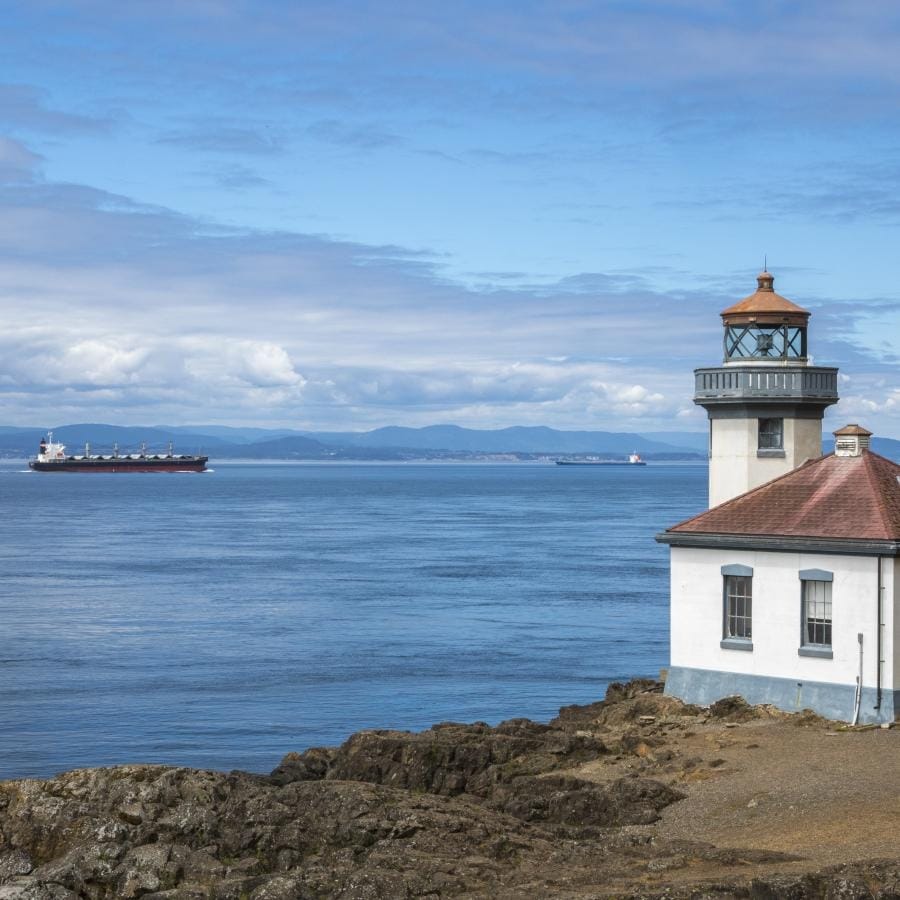
While on the island, it’s fun to stop by Lime Kiln Point State Park, which is considered one of the best whale-watching locations on the earth.
Here is more information to plan a trip to the San Juan Historic National Park.
We invite readers to be part of this series!
America at 250: Northwest Stories
Have you visited a Pacific Northwest site that deepened your understanding of our nation’s past? Do you have a personal story connected to a local landmark? Do you have recommendations?
As we approach America’s 250th birthday, we hope to tell the story of our country through the voices of our community — one place at a time.
Send your story to idea to us at info@TheHighlineJournal.com
Members Discussion
Highline Journal Comment Guidelines
We believe thoughtful conversation helps communities flourish. We welcome respectful, on-topic comments that engage ideas, not individuals. Personal attacks, harassment, hateful comments, directed profanity, false claims, spam, or sharing private information aren't allowed. Comments aren't edited and may be removed if they violate these guidelines.